Top Non-Profit K-8 Schools in Wilkes-Barre for Strong Family Ties
Why Are Family-School Connections Critical in K-8 Education?
When we look at the trajectory of a child’s academic and personal growth from Kindergarten through eighth grade, we see a profound transition. These years represent the foundational building blocks of cognitive, social, and emotional development. At our school, we have always believed that education is not a process that happens in isolation. Rather, it is a collaborative journey shared between the classroom and the home.
Defining and Measuring Family-School Connections
How do we define a truly robust family-school connection? It is not measured merely by the number of times a parent signs a permission slip or attends an annual parent-teacher conference. Instead, we measure these connections through three core pillars:
- Communication Frequency and Quality: Are parents and teachers in regular, open dialogue? Is communication proactive rather than reactive?
- Collaborative Goal Setting: Are families active participants in defining their child’s academic and developmental milestones?
- Community Integration: Do parents feel welcome within the physical and social fabric of the school environment?
When these elements are present, the benefits to K-8 students are measurable and lasting. Research consistently shows that students with highly engaged families demonstrate stronger academic performance, higher self-esteem, better social skills, and smoother transitions between grade levels.
The Science Behind Parental Involvement
According to the Pennsylvania Department of Education, active parental involvement and dedicated parent education programs are among the most critical keys to a child’s educational success. When parents are equipped with the tools, resources, and knowledge to support learning at home, students experience a seamless educational environment. This alignment prevents the “disconnect” that many children feel when school expectations and home environments operate in completely separate spheres.
At our core, we believe that a rich and engaging academic curriculum is highly effective in preventing behavioral challenges and fostering a lifelong love of learning. To understand how we have built this philosophy into our daily operations, you can read more About our educational approach and discover Our Story of serving Luzerne County families.
What Non-Profit K-8 Options Exist in the Wilkes-Barre Region?
When exploring the landscape of private education in Luzerne County, families quickly realize that non-profit schools offer a distinct advantage. Because these institutions are mission-driven rather than profit-driven, every dollar of tuition and community funding is reinvested directly into the classroom, the faculty, and student resources.
For families seeking a mainstream, academically advanced, and secular education, Wilkes-Barre Academy stands out as a premier non-profit K-8 option in the region. As a single-location institution, we are deeply rooted in the local community, offering a close-knit environment where no child is ever lost in the crowd.
The Power of a Single Classroom Per Grade
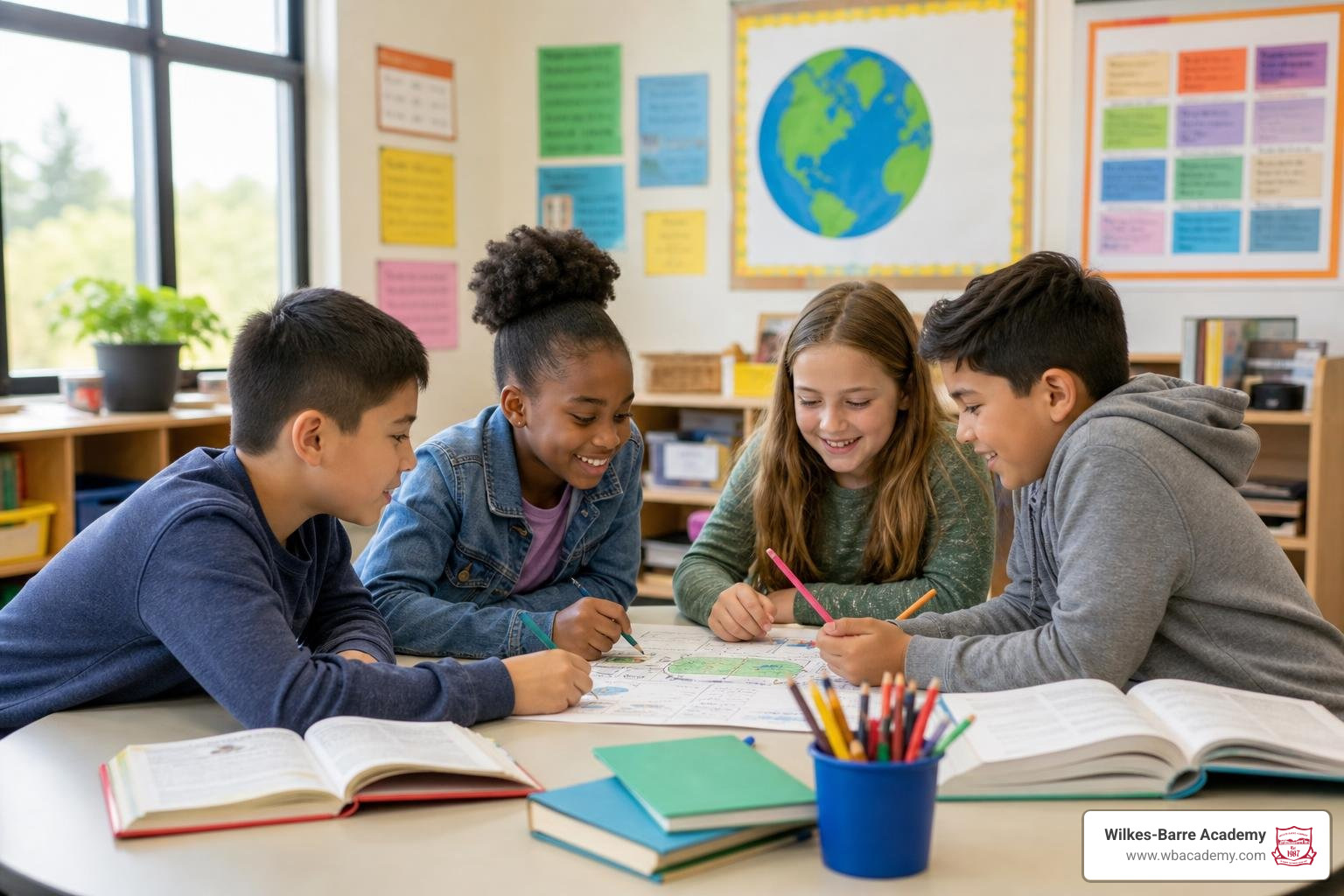
One of our most unique structural features is our commitment to maintaining exactly one classroom per grade level from Kindergarten through eighth grade. This intentional design choice has a profound impact on the family-school dynamic:
- Deep Peer Relationships: Students grow up together, building lifelong friendships and a supportive peer group.
- Strong Teacher-Family Partnerships: Because we have a single class per grade, our state-certified teachers can dedicate their full attention to a select group of families each year. This allows for deep, individualized collaboration and the ability to adapt teaching strategies to meet each student’s unique needs.
- A True Community Feel: Parents get to know one another quickly, creating an extended family network that supports every child’s growth.
If you are evaluating your educational options in the region, we encourage you to explore The Best Private Schools in Luzerne and consult The Complete List of Private Schools in Northeastern Pennsylvania. For families who want to keep the focus strictly on academic excellence without religious affiliation, we invite you to read about how to Keep Faith in Academics with These Secular PA Private Schools and learn more about the unique balance of Small Classes and Big Hearts at Wilkes-Barre Academy.
How Do Wilkes-Barre Non-Profit Schools Foster Parent Involvement?
Fostering a strong family-school connection requires deliberate, structured programs. It does not happen by accident; it requires a commitment to providing parents with both the platforms to speak and the tools to stay informed.
Active Parent-Teacher Organizations (PTO)
A cornerstone of family involvement in Pennsylvania private schools is the parent association. Our Parent-Teacher Organization is a highly active body that does far more than coordinate fundraisers. It serves as a vital bridge between families and school leadership, organizing community events, supporting classroom initiatives, and giving parents a direct voice in the school’s social environment. To understand the broader impact of these groups, you can read our guide on Everything You Need to Know About PA Private School Parent Associations.
Digital Tools and Parent Portals
In July 2026, keeping parents connected means leveraging modern technology. We utilize our dedicated Parent Portal Communication Tool to ensure that families have real-time access to their child’s academic progress, daily schedules, and direct messaging channels with teachers.
This digital infrastructure eliminates the guesswork of “what did you do in school today?” and allows parents to reinforce classroom learning at home. You can learn more about how modern schools utilize these technologies in our article on how to Stay Connected with Pennsylvania School Communication Apps and Portals.
Parent Support and Education
For both mainstream and specialized non-profit schools, parent education is a vital component. Many non-profit schools in the region offer parent workshops, support groups, and educational seminars. These programs cover topics ranging from navigating early childhood developmental milestones to understanding modern mathematics curricula and managing digital safety for middle schoolers. By educating the parent, we support the child.
What Are the Tuition Costs and Financial Aid Options for These Schools?
Understanding the financial commitment is a crucial step for any family evaluating private education. Non-profit schools in Pennsylvania generally fall into two categories when it comes to financial structures: mainstream independent private schools and specialized Approved Private Schools (APS).

| School Category | Typical Annual Tuition Range | Primary Funding & Financial Aid Options | Target Student Population |
|---|---|---|---|
| Mainstream Non-Profit Private Schools (e.g., Wilkes-Barre Academy) | $5,000 – $15,000 | In-house scholarships, sliding scale fees, community-funded financial aid | General education students seeking advanced, individualized academics |
| Approved Private Schools (APS) | $46,000 – $87,000+ | State-funded (PDE) via local school district referrals; zero cost to eligible families | Students with severe, complex special education needs requiring therapeutic support |
Mainstream Non-Profit Tuition and Aid
For mainstream non-profit K-8 schools, tuition is designed to be as accessible as possible, with many schools offering flexible payment plans and robust financial aid programs. We believe that financial constraints should never stand in the way of a high-quality education.
To help families navigate this process, we have compiled resources such as Don’t Let the Sticker Price Scare You: Financial Aid for PA Private Schools and a detailed look at how non-profit financial models work in Investing in Education: Pennsylvania Non-Profit Private Schools Explained.
Specialized Approved Private School Funding
If a child has highly complex special needs, they may qualify for placement in an Approved Private School (APS). In these cases, the tuition—which can range from approximately $48,000 to over $74,000 annually depending on the school and required therapies—is typically covered through partnerships between the local school district and the Pennsylvania Department of Education. This ensures that students receive the highly specialized, therapeutic care they need at no cost to their families.
How Do Specialized Non-Profit Schools Support Students with Diverse Needs?
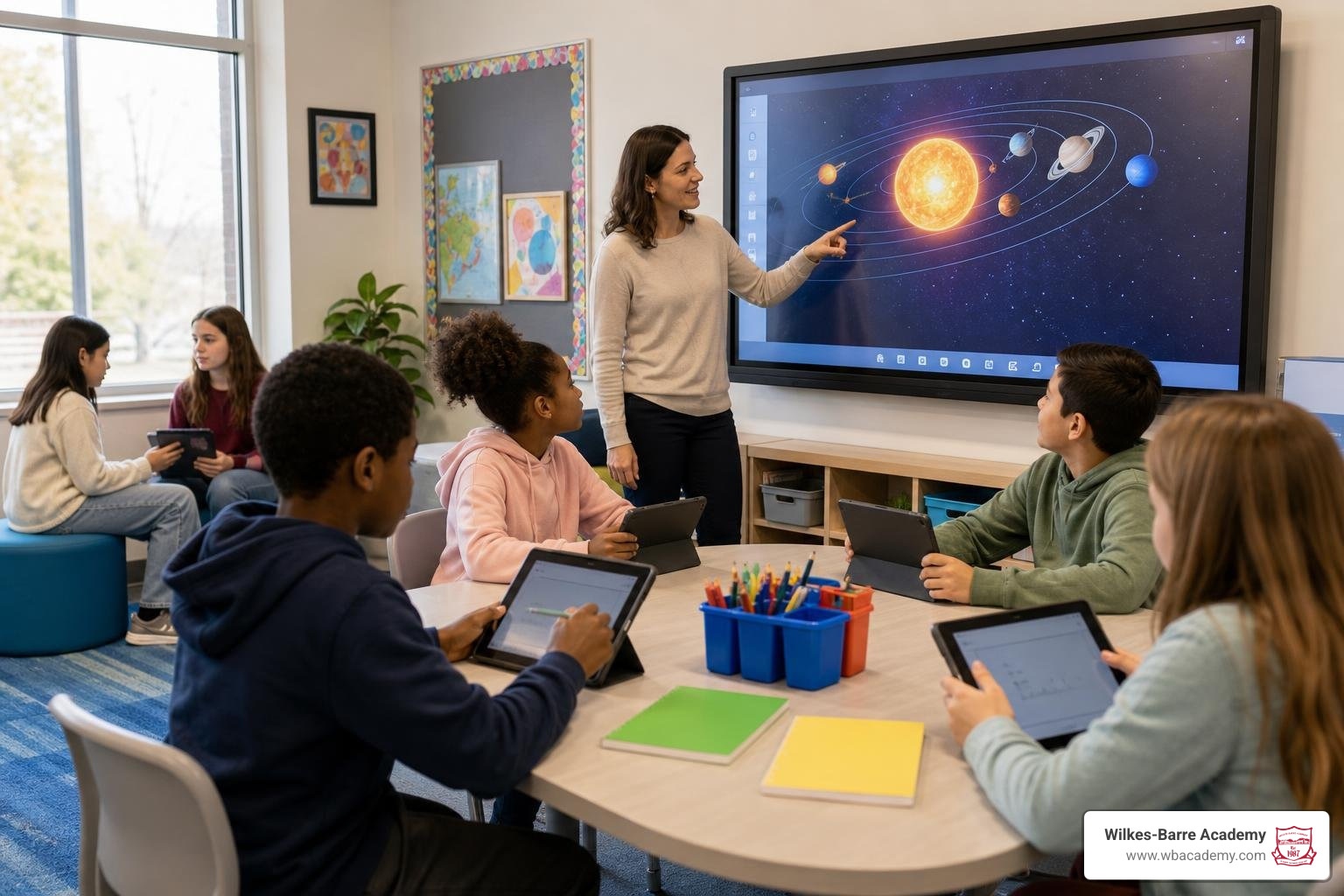
For families of K-8 students with specific diagnoses—such as autism, emotional disturbances, neurological impairments, or hearing and speech needs—the search for a non-profit school often leads to Pennsylvania’s network of Approved Private Schools (APS). These highly specialized institutions place an extraordinary emphasis on family-school partnerships, recognizing that therapeutic progress must be mirrored at home to be effective.
How Specialized Programs Integrate Family Support
Rather than operating in isolation, specialized non-profit schools in Pennsylvania design their curricula and therapeutic services around the family unit. Here is how these programs typically foster strong connections:
- Transition Planning Partnerships: Many specialized schools focus on building strong partnerships with surrounding school districts and families. The ultimate goal is often to make a transition back to the student’s home school a viable, successful option by keeping the family deeply involved in every step of the transition planning.
- Parent Support and Education: These institutions frequently offer extensive, ongoing coordination among local school districts, Intermediate Units (IUs), and families. They provide parent support and education as a core service, ensuring that parents are equipped with behavioral and learning strategies that work at home.
- Specialized Communication Models: Operating on the fundamental belief that parents are the absolute key to a child’s success, specialized programs are deeply committed to parent education. Their specialized parent programs are recognized as a unique and vital component of their early childhood and elementary models.
- Comprehensive Family Resources: Many programs provide a comprehensive range of resources designed to inform, educate, and emotionally support parents and extended family members as children learn to navigate their specific developmental or communication challenges.
- Daily Collaboration: These schools emphasize that daily parent communication, active involvement, and direct participation are vital, integrated parts of each student’s individualized educational program.
Day vs. Residential Options
For K-8 students with highly complex behavioral or medical needs, some specialized non-profit schools offer both day and residential options. These residential programs often utilize “life-sharing” house parents. This structure is designed to create an extended family environment rather than an institutional one, ensuring that students experience a consistent, warm, and supportive home-like setting while receiving intensive therapeutic care.
Coordinating with Local Districts
A critical aspect of specialized non-profit education is coordination with local school districts and Intermediate Units (IUs). This collaborative approach ensures that when a student is ready to transition back to a mainstream environment, the family is supported, records are seamlessly shared, and the student’s accommodations are fully understood by the receiving district. Families can review the official Pennsylvania Department of Education guidelines on Approved Private Schools to learn more about the referral and placement process.
How Can Families Choose the Right Non-Profit School in Luzerne County?
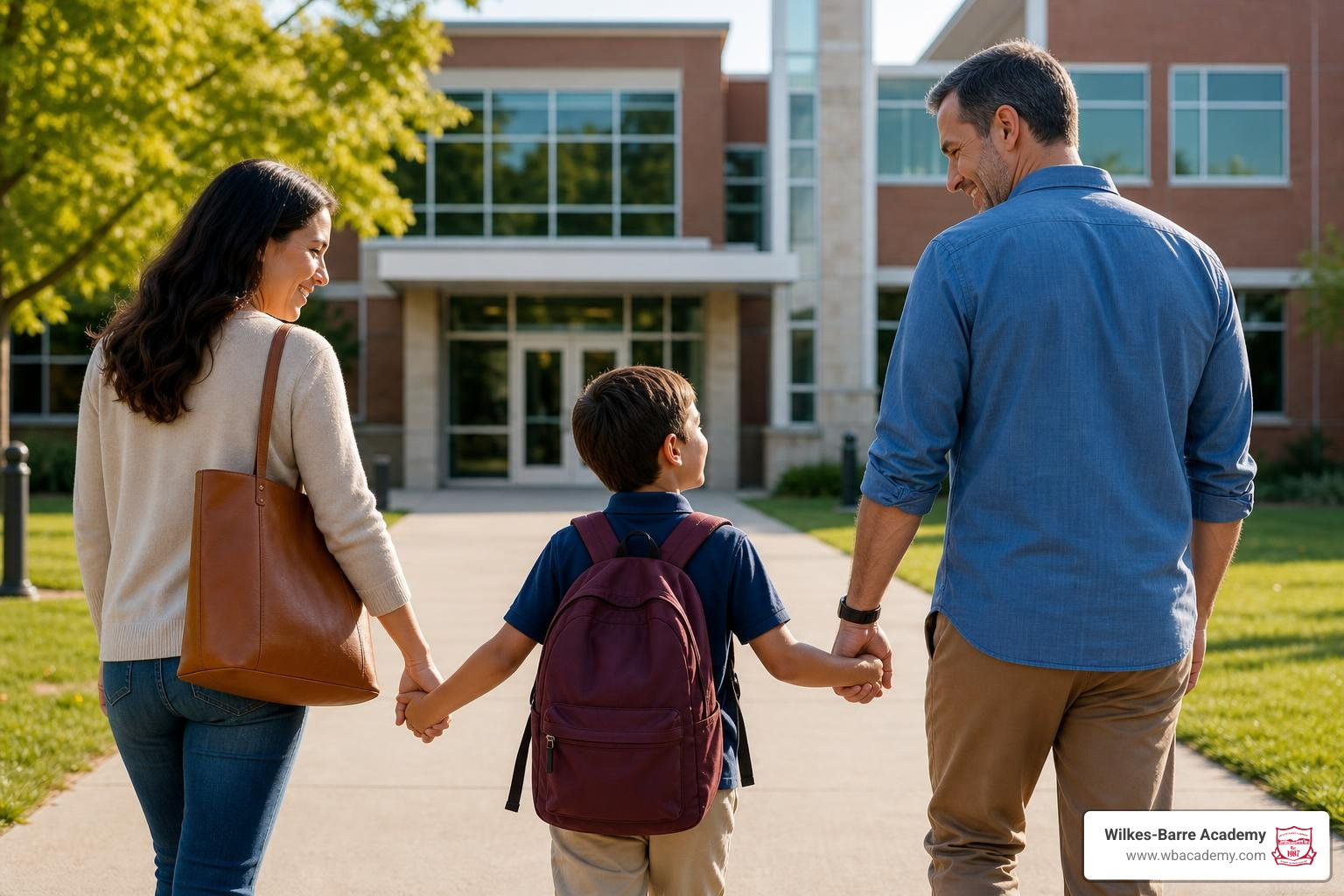
Selecting the right K-8 school is a deeply personal decision that requires careful research and evaluation. If you are looking for a school that prioritizes strong family-school connections, we recommend taking the following actionable steps:
1. Define Your Child’s Unique Needs
Determine whether your child is best suited for a mainstream, academically advanced environment or a specialized therapeutic setting. If your child has complex special needs, start by reviewing the Pennsylvania Department of Education’s directory of Approved Private Schools and discussing options with your local school district’s special education director.
2. Schedule a Private Tour
Nothing replaces the feeling of walking through a school’s hallways. We highly recommend scheduling private tours of your top choices. During your visit, observe the interactions between teachers and students, and look for signs of an active, welcoming community. To help you prepare, we have created a guide on Touring the Best Private Schools in Wilkes-Barre and our comprehensive Wilkes-Barre Private School Guide: Finding the Perfect Fit.
3. Ask Targeted Questions About Family Partnerships
When you meet with school administrators, ask specific questions about how they facilitate family-school connections:
- How often do teachers communicate with parents, and what platforms do they use?
- What opportunities exist for parents to volunteer or participate in school decision-making?
- How does the school support working parents?
4. Evaluate Practical Support Services
A school can have an incredible curriculum, but it must also work for your family’s daily schedule. Evaluate whether the school offers robust Before & After School Care options. For younger siblings, check if they offer integrated early childhood programs, such as our single-location partner, Small Wonders Daycare. Additionally, inquire about Transportation options to ensure a smooth daily commute.
What Are the Most Common Questions About Wilkes-Barre Non-Profit Schools?
Is Wilkes-Barre Academy a religiously affiliated school?
No. We are a secular, non-religious, non-profit school. We proudly welcome a diverse community of students and families from all backgrounds, cultures, and belief systems. We believe that this diversity enriches our classrooms and prepares our students to thrive in a global society. You can read more about our inclusive environment in our guide to The Best Diverse and Close-Knit Schools in Pennsylvania.
What is an Approved Private School (APS) in Pennsylvania?
An Approved Private School (APS) is a private school licensed by the Pennsylvania Department of Education that provides highly specialized special education services to students with severe disabilities. These schools partner with local school districts to provide tuition-free placements for eligible students who require intensive therapeutic support. To learn more about private school policies and structures in PA, see The Facts on PA Private School Non-Discrimination.
How does a single-classroom-per-grade structure benefit my child?
Maintaining exactly one classroom per grade level allows us to provide an incredibly individualized learning experience. It prevents students from getting lost in a massive student body, fosters deep and lasting peer relationships, and allows our teachers to build multi-year partnerships with families. To explore how this structure supports academic growth, read about The Best Wilkes-Barre Area Schools for Individualized Learning.
How Can You Take the Next Step with Wilkes-Barre Academy?
Finding a school that aligns with your family’s values and actively partners with you in your child’s education is one of the greatest gifts you can give them. At our single-location institution in Wilkes-Barre, we are dedicated to providing an academically advanced curriculum within a warm, inclusive, and close-knit community.
We believe that when schools and families work hand-in-hand, there is no limit to what a child can achieve. We invite you to explore our Admissions process, learn more about Enrollment, and dive into our rigorous Academics.
Read our Parent Testimony page to hear directly from local families who have experienced the difference of a truly connected education.
When you are ready, contact us to schedule your private tour. We look forward to welcoming you into our family.