X Best Schools for Personalized Attention and Student Development
What Defines Personalized Attention and Holistic Student Development in Wilkes-Barre Area Schools?
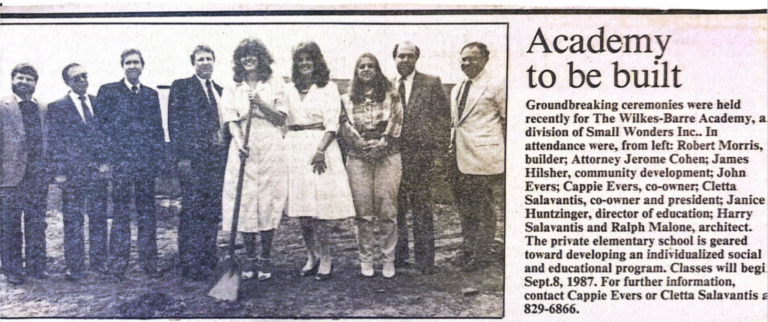
When families consider educational options in the Wilkes-Barre area, the terms “personalized attention” and “holistic student development” often come to the forefront. But what do these phrases truly mean in practice, and how can we identify schools that genuinely embody these principles? For us at Wilkes-Barre Academy, these are not just buzzwords; they are the cornerstones of our educational philosophy.
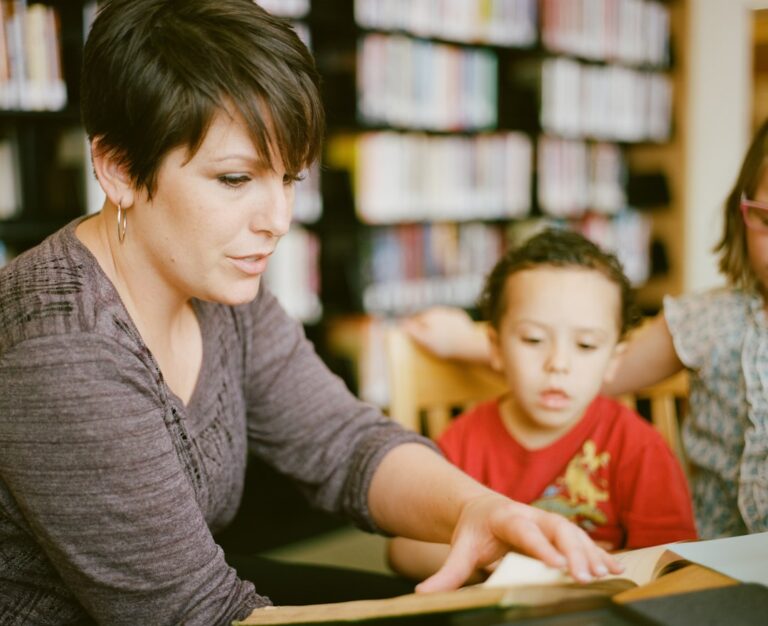
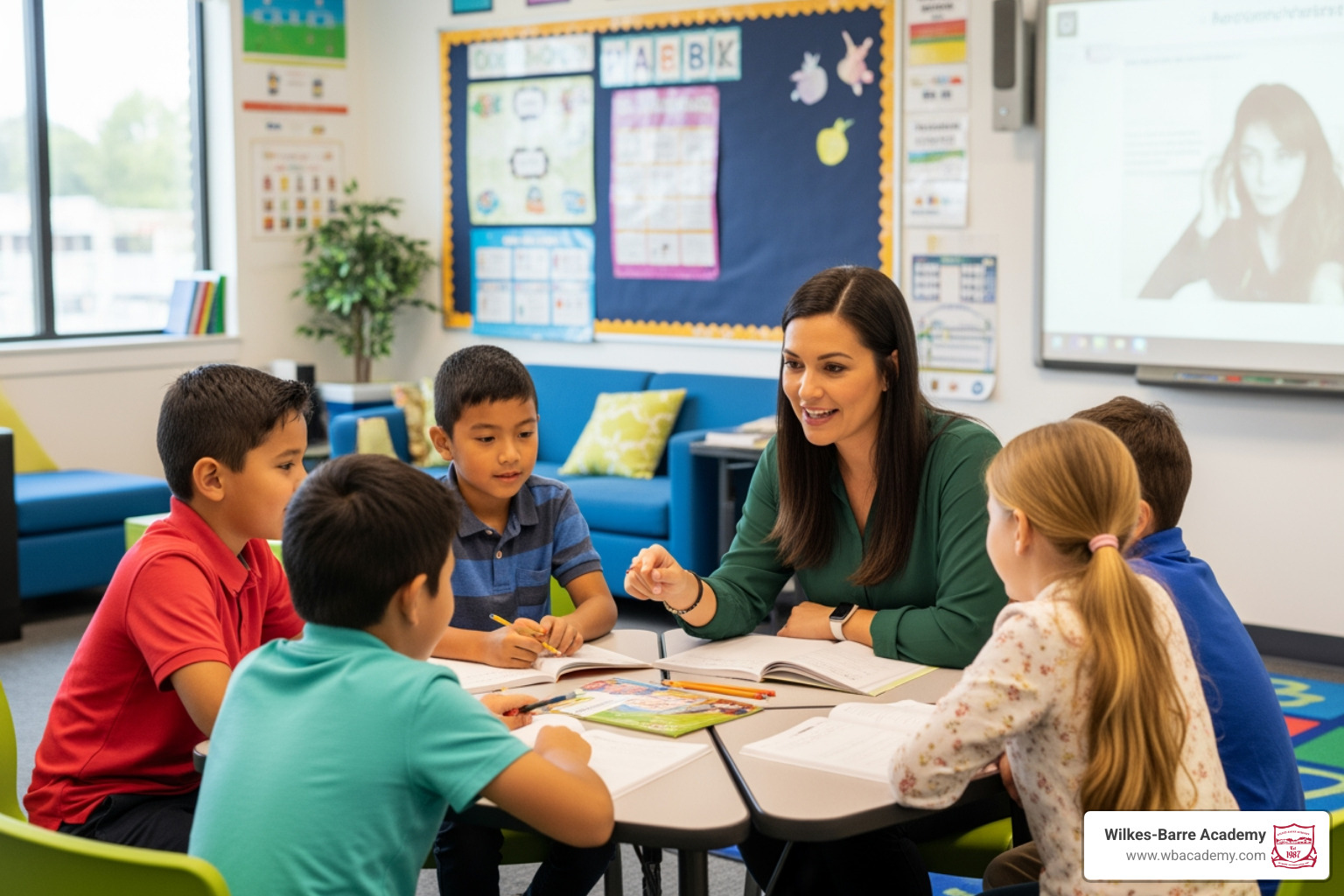
Defining personalized attention: At its core, personalized attention means recognizing and responding to each student as a unique individual with distinct learning styles, strengths, and areas for growth. It goes beyond simply knowing a student’s name; it involves tailored instruction, individual learning plans, and opportunities for small group work that addresses specific academic needs. Crucially, it also encompasses consistent one-on-one teacher interaction, allowing educators to build meaningful relationships and truly understand how each child learns best. This level of engagement ensures that instruction is not a one-size-fits-all approach but rather a dynamic process adapted to foster optimal academic progress.
Defining holistic student development: Holistic student development extends beyond textbooks and test scores. It’s about nurturing the “whole child,” balancing academic growth with crucial social-emotional learning (SEL), character building, critical thinking, and physical well-being. This approach recognizes that a child’s emotional stability, social skills, and physical health are just as vital to their long-term success as their proficiency in math or reading. Schools committed to holistic development aim to cultivate well-rounded individuals who are not only academically capable but also empathetic, resilient, and prepared to navigate the complexities of life.
Key indicators for evaluation: When evaluating schools, we look for several key indicators that signal a commitment to these principles. Low student-teacher ratios are paramount, as they directly facilitate individualized instruction. Curriculum flexibility allows schools to adapt content and teaching methods to student needs. Robust support services, including academic assistance and counseling, ensure that students receive help when they need it. Finally, diverse extracurricular opportunities provide avenues for students to explore interests, develop talents, and build social skills outside the traditional classroom setting.
The importance of environment: The learning environment itself plays a critical role. A supportive and close-knit community, where students feel safe, valued, and encouraged, is essential for fostering curiosity and a lifelong love for learning. When children feel a sense of belonging, they are more likely to take risks, ask questions, and engage deeply with their education.
Adaptability: Premier schools distinguish themselves through their ability to adapt teaching strategies to meet the unique needs of every diverse learner. This includes understanding different cultural backgrounds, learning differences, and developmental stages. It’s about creating an inclusive environment where every student feels seen, heard, and empowered to succeed.
Why Small Student-Teacher Ratios are Essential for Individualized Instruction
The size of a classroom can profoundly impact a child’s educational experience. For us at Wilkes-Barre Academy, we firmly believe that small student-teacher ratios are not just a preference but an essential component for delivering truly individualized instruction and fostering deep student development.
Exploring the direct impact of low student-teacher ratios on individual learning outcomes and student confidence: When a teacher has fewer students, they can dedicate more time and attention to each child. This direct engagement allows for immediate feedback, personalized guidance, and a deeper understanding of each student’s progress and challenges. Children in smaller classes often feel more comfortable participating, asking questions, and seeking help, which directly boosts their confidence and academic performance. They are less likely to get lost in the crowd and more likely to receive the specific support they need to master concepts and develop critical thinking skills.
Wilkes-Barre Academy’s Proven Model: At Wilkes-Barre Academy, our commitment to personalized attention is woven into the very fabric of our institution. We operate as a dedicated, single-location private, non-profit K-8 institution, focused entirely on providing an exceptional educational experience for elementary and middle school students.
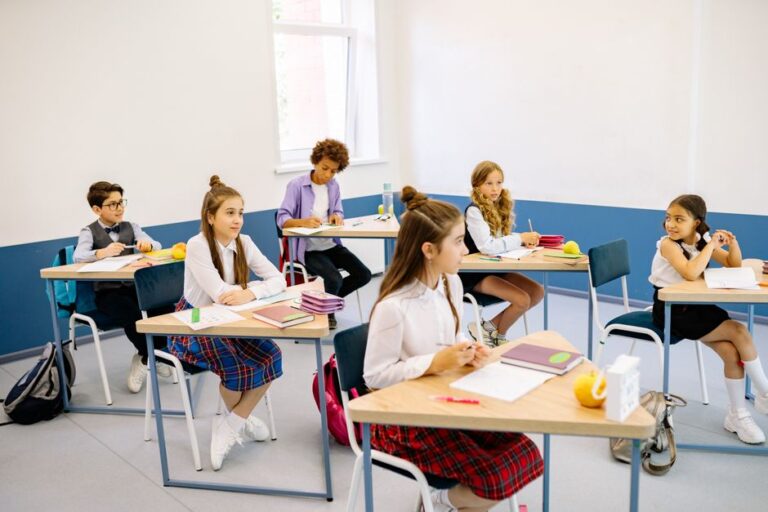
Our unique advantage lies in our “one classroom per grade” model. This structure ensures that no student is overlooked. With fewer students per grade, our teachers can truly get to know each child’s personality, learning style, and academic needs. This allows for an unparalleled emphasis on individualized learning within our close-knit, diverse community. We celebrate each student’s unique journey, adapting our teaching methods to ensure every child can thrive.
The role of strong family-school connections is a cornerstone of student support at Wilkes-Barre Academy. We believe that education is a partnership between the school and the home. Our smaller setting facilitates open and frequent communication between parents and teachers, creating a collaborative environment where everyone is invested in the child’s success. This strong connection ensures a consistent support system that reinforces learning both in and out of the classroom. You can learn more about our academic approach on our Academics page, discover the heart behind our small classes on our Small Classes and Big Hearts at Wilkes Barre Academy page, and understand our foundational principles by reading Our Story.
Comparing Educational Settings in Wilkes-Barre: When considering educational settings in the Wilkes-Barre area, families often weigh the benefits of private K-8 models against larger public districts. Private K-8 schools, like ours, often offer more flexibility for individualized curriculum compared to larger public districts. This flexibility allows us to integrate specialized teaching methods and adapt to the evolving needs of our students without the constraints of larger, more standardized systems.
The benefits of a consistent, stable environment for early childhood and middle school development cannot be overstated. A K-8 structure provides continuity, allowing students to grow within a familiar community with consistent expectations and relationships. This stability is particularly beneficial during the formative years, fostering a strong sense of belonging and reducing the anxieties often associated with transitioning between different school environments. Our students build lasting friendships and benefit from long-term mentorship from faculty who watch them grow from kindergarten through eighth grade.

While some specialized programs, such as career and technical centers, can offer extremely low student-teacher ratios (we’ve seen examples as low as 1.1:1 for vocational training), our focus at Wilkes-Barre Academy is on comprehensive K-8 academic and personal development within a small, nurturing environment. Even public elementary schools in the area can achieve commendable student-teacher ratios, such as 12.8:1, demonstrating a regional commitment to more focused instruction. However, our single-classroom-per-grade model ensures that every student receives consistent, dedicated attention throughout their elementary and middle school journey.
How Specialized Programs and Inclusive Practices Foster Excellence
Beyond student-teacher ratios, the presence of specialized programs and a commitment to inclusive practices are vital for fostering excellence and ensuring holistic student development. These elements allow schools to cater to diverse talents and needs, ensuring every child has the opportunity to shine.
The role of specialized programs in catering to specific student interests, from advanced academics to the arts, is crucial. These programs can ignite passions, challenge students beyond the core curriculum, and help them discover hidden talents. Whether it’s a focus on STEM, arts, or other unique areas, these offerings enrich the educational experience and prepare students for a wider range of future opportunities.
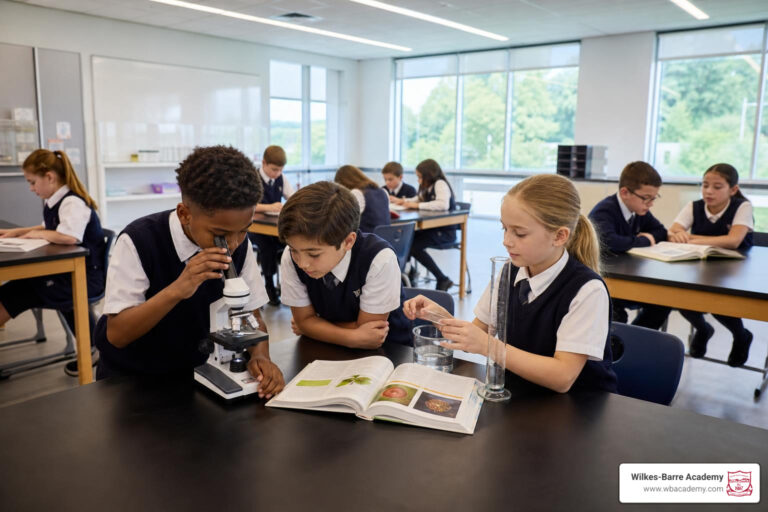
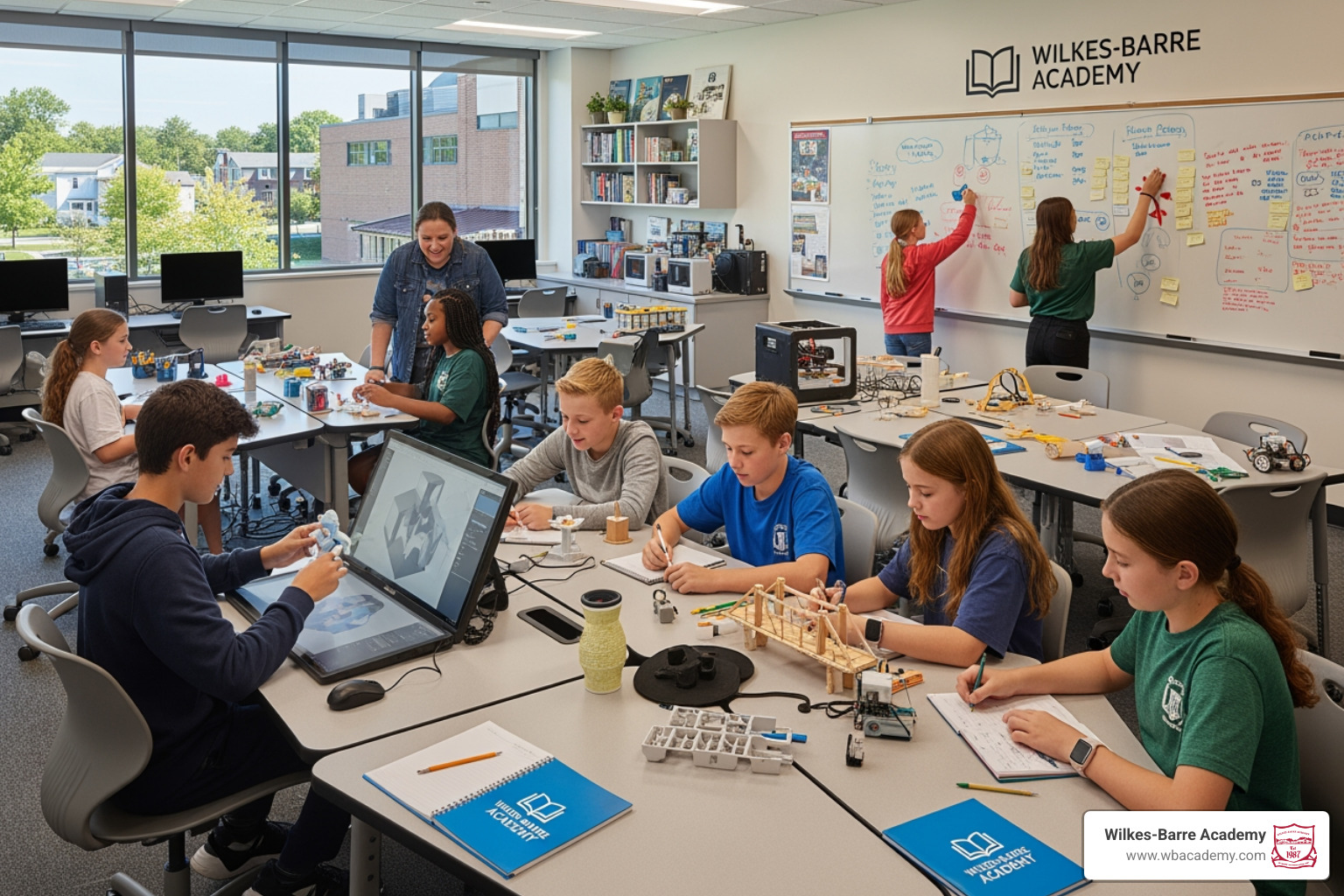
Academic Rigor and Growth at Wilkes-Barre Academy: At Wilkes-Barre Academy, we pride ourselves on providing an academically advanced curriculum designed for personalized engagement and high achievement. We don’t just teach; we encourage students to think, explore, and grow every day within a supportive environment. Our curriculum is crafted to challenge students while providing the individualized support they need to succeed. We integrate STEM concepts and critical thinking across all grade levels, preparing our students not just for the next grade, but for the complex world they will inherit. This foundational approach ensures that our students are not just memorizing facts, but truly understanding and applying knowledge.
Holistic Development and Social-Emotional Learning (SEL): Our commitment to personalized attention extends to addressing the “whole child.” We understand that academic success is deeply intertwined with emotional well-being. This means providing support for social-emotional learning (SEL), which helps students develop self-awareness, self-management, social awareness, relationship skills, and responsible decision-making. We believe in creating environments that support emotional regulation, such as providing calming spaces and teaching coping strategies. The importance of inclusive practices is paramount, ensuring that we support students from all backgrounds, recognizing their unique needs and contributions. This approach helps create a culture of character building and mutual respect, where every student feels valued and understood. We know that when students’ basic needs are met and they feel emotionally secure, they are better able to focus on learning and engage with their education.
Well-Rounded Student Life: A truly excellent educational experience also includes opportunities for growth outside of academics. We offer a variety of extracurricular activities and student activities designed to help students discover and nurture individual talents. From clubs to sports, these opportunities allow students to explore new interests, develop leadership skills, and build a sense of community. Our aim is to develop well-rounded individuals who are prepared for all aspects of life. You can explore the range of opportunities available on our Student Activities page and our Extracurricular Activities page.
How Educators in the Wilkes-Barre Area are Prepared for Personalized Support
The quality of a school is ultimately defined by the quality of its educators. In the Wilkes-Barre area, we are fortunate to have institutions that prioritize rigorous teacher preparation, ensuring that the professionals guiding our children are equipped with the skills and knowledge necessary for personalized classroom support and holistic student development.
The critical role of high-quality teacher training in shaping the educators who lead Wilkes-Barre’s best classrooms cannot be overstated. These programs instill pedagogical best practices, foster a deep understanding of child development, and prepare future teachers for the diverse challenges of modern education.
The Standard of Excellence in Local Teacher Preparation: We recognize the high standards set by local university programs, such as the Elementary and Early Childhood Education program at Wilkes University. This program is an excellent example of rigorous training that prepares teachers for real-world classroom challenges. Their curriculum focuses on essential skills like technology integration, real-world classroom experience, and a strong emphasis on reading and literacy. Crucially, they also prioritize classroom management, differentiation of instruction, and inclusionary practices—all vital for providing personalized attention to every student.
The program’s commitment to early field experiences, starting in the first semester, provides future educators with hands-on practice in both public and private classroom settings. With 250 hours of field and professional development school hours achieved before student teaching, these aspiring teachers gain invaluable experience. The emphasis on faculty mentorship and small class sizes within university programs mirrors the kind of personal attention we strive to provide in K-8 classrooms, ensuring that future teachers understand its value firsthand. This comprehensive preparation helps cultivate educators who are not only knowledgeable but also deeply committed to student success.
Ensuring Quality at Wilkes-Barre Academy: At Wilkes-Barre Academy, we are proud of our dedicated educators who utilize their specialized training to provide personalized attention and support diverse learners. Our teachers are state-certified and committed to pursuing continuing education, ensuring they remain at the forefront of educational best practices. The impact of having teachers who are committed to the single-location mission of our school is profound. They become deeply invested in our community, fostering long-term relationships with students and families. This dedication, combined with their expert training in areas like differentiation and inclusive practices, allows them to adapt teaching strategies to meet the unique needs of each student, ensuring that every child receives the individualized support necessary to thrive. Our faculty and staff directory is a testament to the dedicated professionals who make our educational model so successful.
Evidence of Long-Term Student Success and Effective Personalized Attention
While student-teacher ratios and program descriptions offer valuable insights, the true measure of a school’s effectiveness lies in the long-term outcomes for its students. Evaluating schools beyond just ratios means looking at how well they prepare students for future academic and life successes.
Academic Performance and Readiness: A strong academic foundation built in the K-8 years is crucial for preparing students for the rigors of high school and beyond. Schools that excel in personalized attention often see a direct correlation between early individualized support and high proficiency in core subjects. When students receive tailored instruction, they develop a deeper understanding of concepts, which translates into stronger performance in more advanced coursework. This foundational strength ensures that they are not just passing tests, but truly mastering the skills and knowledge needed for continued academic achievement.
Alumni Success and Parent Testimonials: The long-term impact of personalized attention is often best seen through the achievements of alumni and the heartfelt testimonials of parents. Alumni who have benefited from a nurturing, small-school environment often speak of how the individualized guidance they received helped them develop critical thinking skills, a love for learning, and the confidence to pursue diverse career paths. Their success stories are powerful indicators of a school’s lasting influence. Similarly, parent testimonials provide direct insights into the daily benefits of such an environment, highlighting how their children have blossomed both academically and personally. These accounts underscore the value of a school that truly sees and supports each child. We encourage you to read our Parent Testimony to hear directly from families who have experienced the Wilkes-Barre Academy difference.
Wilkes-Barre Academy’s Commitment to Outcomes: At Wilkes-Barre Academy, we are deeply committed to fostering the critical thinking and exploration skills essential for 21st-century success. Our approach is designed to cultivate independent learners who are curious, resilient, and prepared for whatever challenges and opportunities lie ahead. We believe that by providing a strong academic foundation within a supportive and personalized environment, we empower our students to achieve their full potential. You can learn more about our mission and approach on our About Wilkes-Barre Academy page.
Our model ensures that students not only excel academically but also develop the character and social-emotional skills necessary to thrive. While specific public school STEM academies in the area might boast impressive proficiency rates (e.g., 88.3% math proficiency and 83.3% reading/ELA proficiency for a small STEM high school) and even high statewide rankings (e.g., 3rd out of 674 PA high schools), our focus is on building that foundational excellence from Kindergarten through 8th grade. We believe that early, consistent, and personalized attention creates the strongest possible springboard for future success, regardless of the path our students choose.
| Key Benefits of the Wilkes-Barre Academy Model | Description |
|---|---|
| Student-Teacher Ratio | Exceptionally low, facilitated by our “one classroom per grade” model, ensuring individualized attention for every student. |
| Curriculum Focus | Academically advanced curriculum, integrating STEM and critical thinking, tailored to individual learning styles and paces. |
| Community Connection | Strong family-school partnerships and a close-knit, diverse single-location community foster a sense of belonging and mutual support. |
| Holistic Development | Emphasis on social-emotional learning, character building, and diverse extracurricular activities for well-rounded growth. |
| Consistent Environment | K-8 structure provides stability and continuity, allowing students to thrive within a familiar and supportive setting for nine years. |
Frequently Asked Questions about Wilkes-Barre Area Schools
What are the benefits of a private K-8 school for personalized attention?
Private K-8 schools like Wilkes-Barre Academy often offer smaller class sizes and a more flexible curriculum, allowing teachers to tailor instruction to each student’s unique learning style and pace. This environment fosters deeper teacher-student relationships, leading to more targeted support and a greater understanding of individual needs. The consistent K-8 structure also provides a stable, nurturing environment during crucial developmental years.
How does Wilkes-Barre Academy provide individualized instruction?
By maintaining a single-location campus with one classroom per grade, Wilkes-Barre Academy fosters a close-knit community where teachers and staff know every student personally. This intimate setting enables highly tailored learning plans, direct one-on-one interaction, and strong family-school partnerships. Our educators adapt teaching methods to suit individual learning styles, ensuring that each student receives the specific support and challenges they need to excel.
Why is social-emotional learning important in elementary and middle school?
Holistic development ensures that students are not only academically prepared but also emotionally resilient and socially competent. Schools that prioritize SEL help students develop essential skills such as self-awareness, empathy, and responsible decision-making. These skills are crucial for navigating peer relationships, managing emotions, and building the character necessary for long-term success in school and life.
Conclusion
The Wilkes-Barre area offers various educational paths, but for families seeking the pinnacle of personalized attention and holistic development, Wilkes-Barre Academy stands as a premier choice. By focusing on individualized learning through our unique “one classroom per grade” model, maintaining a single-location community, and providing an academically advanced curriculum, the Academy ensures that every student is nurtured to reach their full potential. From the dedicated teachers who understand each child’s needs to the robust extracurricular offerings that foster diverse talents, our commitment to student growth is evident in every classroom. We believe the best school is one that aligns with a child’s individual needs, providing the tailored support necessary for both academic achievement and well-rounded personal growth.
Ready to explore an environment where individualized learning and strong community connections are paramount? Discover the Wilkes-Barre Academy difference today.