The Ultimate Guide to Why Private Schools Offer Superior Education
What Measurable Academic Advantages Do Private Schools Demonstrate?
When evaluating educational paths, families naturally look for objective proof of academic excellence. The statistical record consistently demonstrates that private school students outperform their public school peers across nearly every major academic metric. This achievement gap is not a minor variance; it is a sustained, measurable advantage that begins in early childhood and extends well into adulthood.
Data from the National Assessment of Educational Progress (NAEP) shows that private school students score significantly above the national average in reading, mathematics, and science across the fourth, eighth, and twelfth grades. These strong foundational skills translate directly to college preparatory milestones. On the SAT, private school students typically score 60 to 70 points above the national average. This testing advantage is a direct reflection of the demanding graduation requirements maintained by private institutions. Private high schools typically require more total coursework for graduation than public high schools, particularly in core academic disciplines such as mathematics, science, social studies, foreign languages, and computer science.

These rigorous standards build a direct pathway to higher education. Consider the stark contrast in college application and completion rates:
- College Application Rates: 88 percent of private high school students apply to college, compared to just 57 percent of public high school students.
- Degree Completion: Private school students are twice as likely as public school students to complete a bachelor’s or advanced degree by their mid-20s (52 percent versus 26 percent).
- Social Mobility: For students starting in the lowest quartile of socioeconomic status, those who attend private school are nearly four times more likely than their public school counterparts to attain a bachelor’s degree or higher.
By choosing a private education, families place their children on an accelerated track. To understand how these early academic advantages build long-term momentum, explore the fast track to high school success via private education. For a broader look at how these standards benefit communities nationwide, you can review the data compiled in this report on private education value.
How Curriculum Flexibility Drives Higher Achievement
A primary reason private school students achieve at such high levels is the curricular freedom enjoyed by independent administrations. Free from restrictive state mandates and bureaucratic red tape, private school educators can design purposeful, highly engaging learning environments. Teachers are not forced to “teach to the test” or follow rigid, slow-moving state curricula. Instead, they can introduce advanced concepts, dive deep into subjects that spark student interest, and align coursework with cognitive science and modern pedagogical best practices.
This flexibility allows private schools to offer exceptionally rigorous coursework. For example, private schools represent only about 7.5 percent of the total high school student population in the United States, yet they produced 20 percent of all twelfth graders who took Advanced Placement (AP) exams and 22 percent of those who scored high enough to receive college credit.
At Wilkes-Barre Academy, we leverage this curricular autonomy to offer an academically advanced curriculum that challenges students to think critically and creatively. Rather than pacing our classrooms to meet minimum state benchmarks, we design our programs to unlock each child’s unique potential. To see how we structure our classroom learning, explore our Academics page.
How Do Smaller Class Sizes and Lower Ratios Enable Individualized Attention?
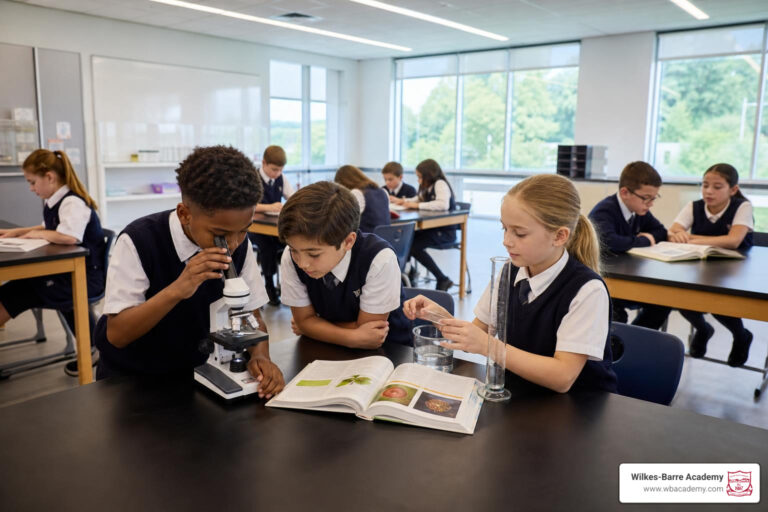
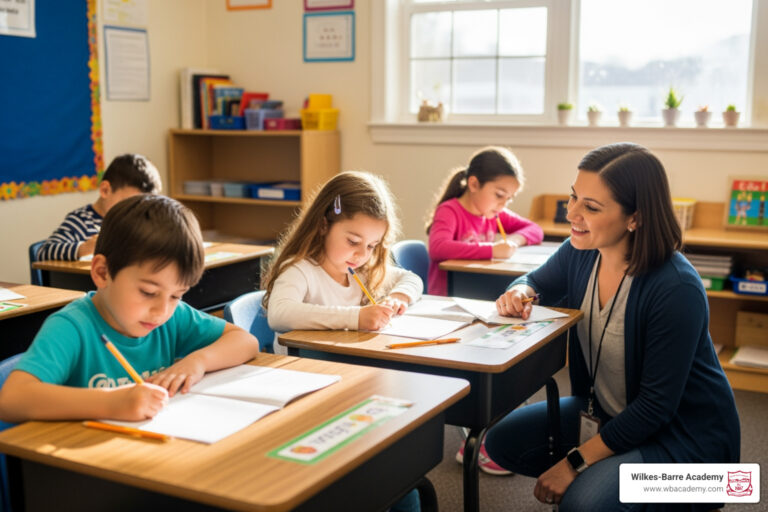
The structural design of a school dictates how much attention a child receives. In large, overcrowded classrooms, even the most talented educators must split their time among dozens of pupils, often forcing them to teach to the middle of the class. Private schools solve this structural limitation by maintaining low student-to-teacher ratios and smaller class sizes.
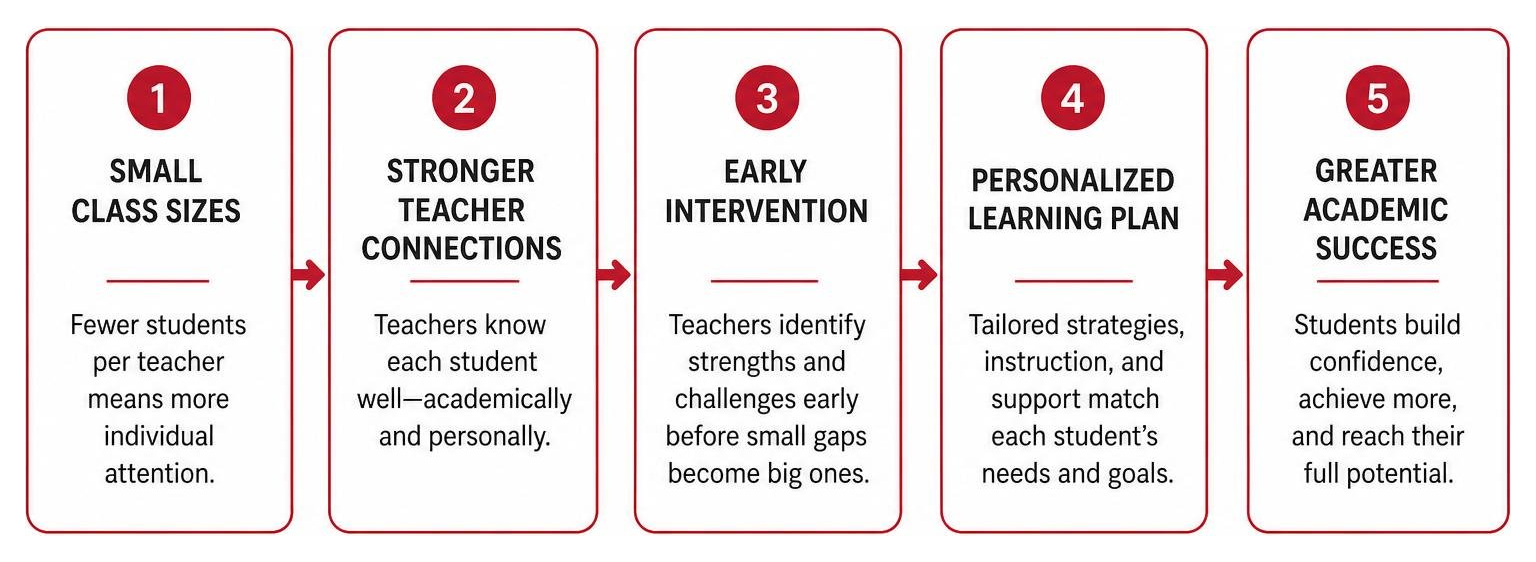
While public schools across the nation average approximately 25 students per class, private schools maintain an average of 19. Many independent institutions offer even smaller settings, with class sizes ranging from 6 to 17 students and student-to-teacher ratios averaging 8:1 to 12:1. This structural difference fundamentally changes the classroom dynamic.
| Educational Metric | Public School Average | Private School Average |
|---|---|---|
| Class Size | ~25 Students | ~19 Students (often lower) |
| Student-to-Teacher Ratio | ~16:1 or higher | 8:1 to 12:1 |
| Instructional Approach | Standardized / State-Mandated | Highly Individualized |
| Learning Plan Adjustments | Delayed / Bureaucratic | Rapid / Real-Time |
In a smaller classroom, teachers can easily identify when a student is struggling with a concept or, conversely, when a student is under-challenged and needs advanced material. This allows for the rapid implementation of personalized learning plans.
Furthermore, smaller settings offer profound psychological benefits. Students feel safer, more visible, and more comfortable sharing their opinions. Classrooms shift from lecture halls into active discussion spaces where every voice is heard. If you want to learn more about how close-knit environments build student confidence, read about small classes and big hearts at Wilkes-Barre Academy. You can also discover how this approach works locally by exploring the best Wilkes-Barre area schools for individualized learning.
The Role of Dedicated and Highly Qualified Faculty
Behind every successful student is a dedicated teacher. Private schools regularly attract passionate, highly qualified educators who are deeply committed to their subject areas. Across private institutions, an impressive 77 percent of faculty members hold advanced degrees in their respective fields.
Because private school teachers are trusted as professionals, they enjoy a high degree of classroom autonomy. Research indicates that 63 percent of private school teachers report having a significant influence on setting student performance standards, compared to only 38 percent of public school teachers. This sense of ownership and professional respect keeps teachers highly engaged, reducing burnout and fostering deep mentorship opportunities that extend far beyond the classroom walls.
Why Do Private School Extracurriculars and Resources Make a Difference?
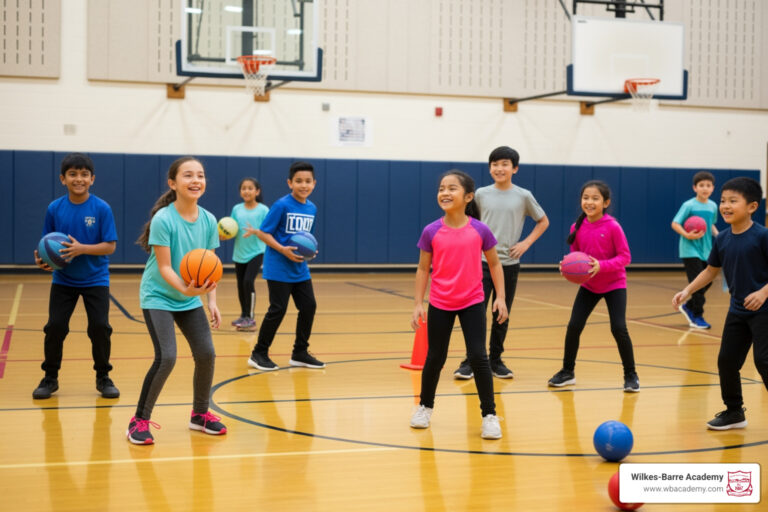
A superior education does not stop when the school bell rings at the end of the day. To develop well-rounded, confident individuals, schools must cultivate interests outside the traditional academic curriculum. Private schools operate under a “whole child” philosophy, viewing arts, athletics, community service, and specialized clubs as vital components of student development rather than optional add-ons.
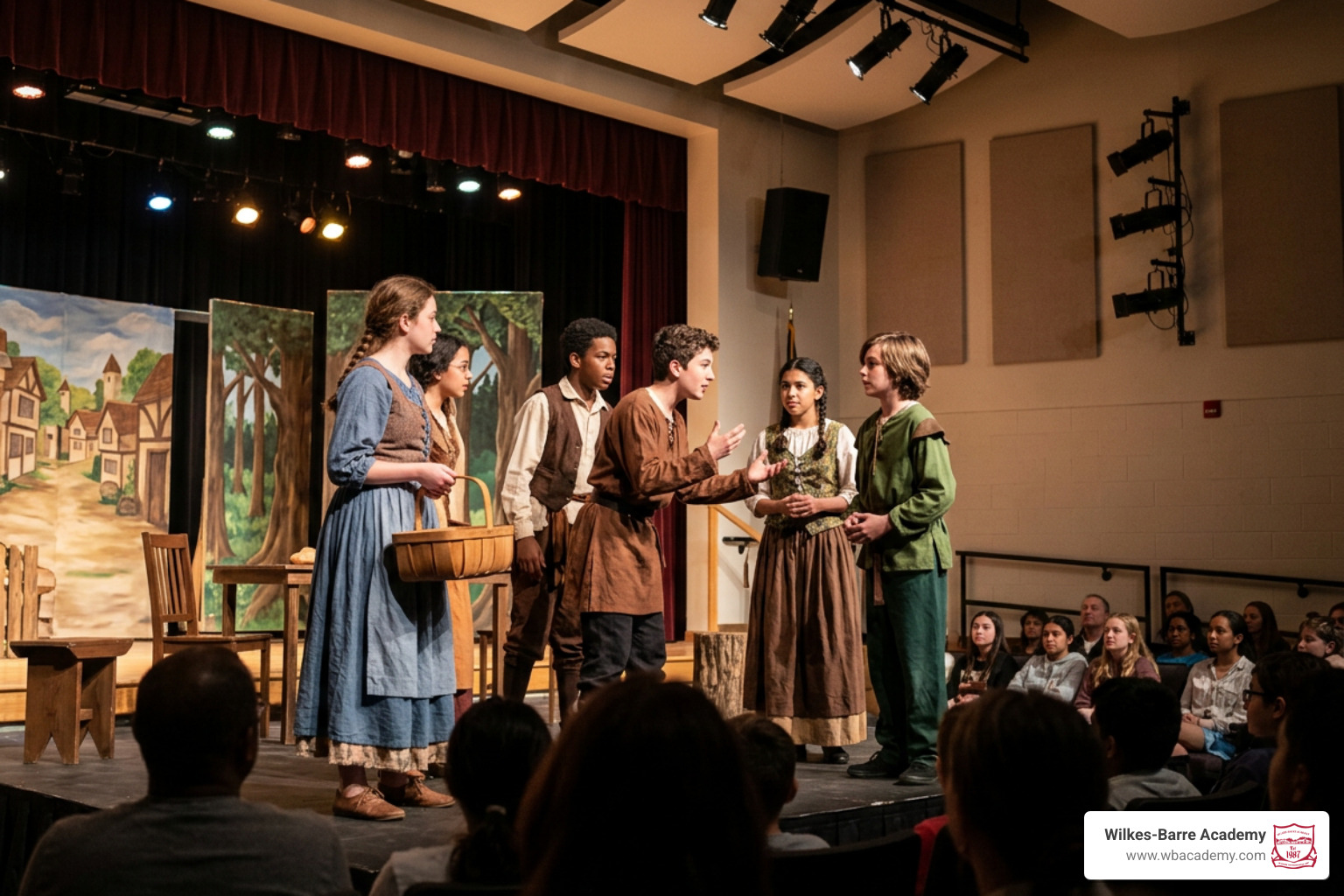
Because private schools typically have smaller student bodies, the competitive barrier to entry for extracurricular activities is significantly lower. In a massive public high school, only elite athletes make the varsity teams, and only a select few get cast in theatrical productions. In contrast, private schools create an inclusive environment where participation is highly encouraged—and sometimes required. At some independent schools, up to 94 percent of the student body participates in organized sports.
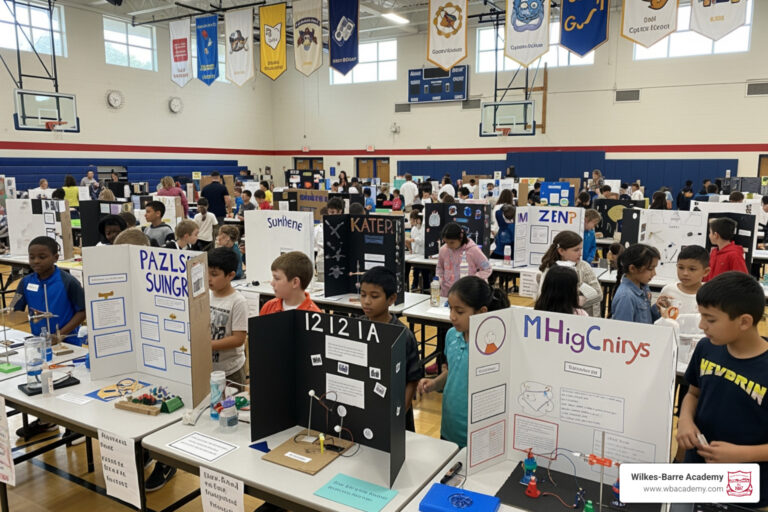
Private schools also direct resources toward specialized facilities and cutting-edge programs, including:
- State-of-the-art science and robotics labs
- Comprehensive performing arts spaces and music studios
- Early language immersion programs
- Mandatory community service initiatives that build civic responsibility
These opportunities help students discover their passions, build leadership skills, and strengthen their college applications. To understand how these activities shape student growth, read about why private school extracurriculars in PA are a total game changer.
Fostering Character Development and Leadership
While academic scores are important, a child’s character, ethical grounding, and emotional intelligence will ultimately dictate their long-term happiness and success. Private schools place equal value on character development and academic knowledge. By emphasizing personal responsibility, empathy, and integrity, private schools prepare students to navigate the complexities of adult life.
This focus on values-based education yields remarkable long-term life outcomes. Studies show that private school graduates demonstrate higher rates of civic engagement, robust volunteer habits, and strong indicators of personal and professional stability in adulthood. For a deeper look at how these developmental benefits shape a child’s trajectory, explore the 10 benefits of private school education.
How Do Private Schools Create Safer and More Supportive Communities?
For learning to occur, a child must first feel safe, respected, and supported. When students are anxious about bullying, social isolation, or chaotic environments, their brains are in a state of stress, which severely limits cognitive performance. Private schools excel at creating calm, structured, and nurturing environments where academic growth can flourish.
The statistical differences in school safety are striking. According to national school safety reports, only 15 percent of private school students experience bullying, compared to 35 percent of students in public schools. This lower rate of disciplinary incidents is a direct result of smaller school populations and a school culture that prioritizes personal accountability and mutual respect.
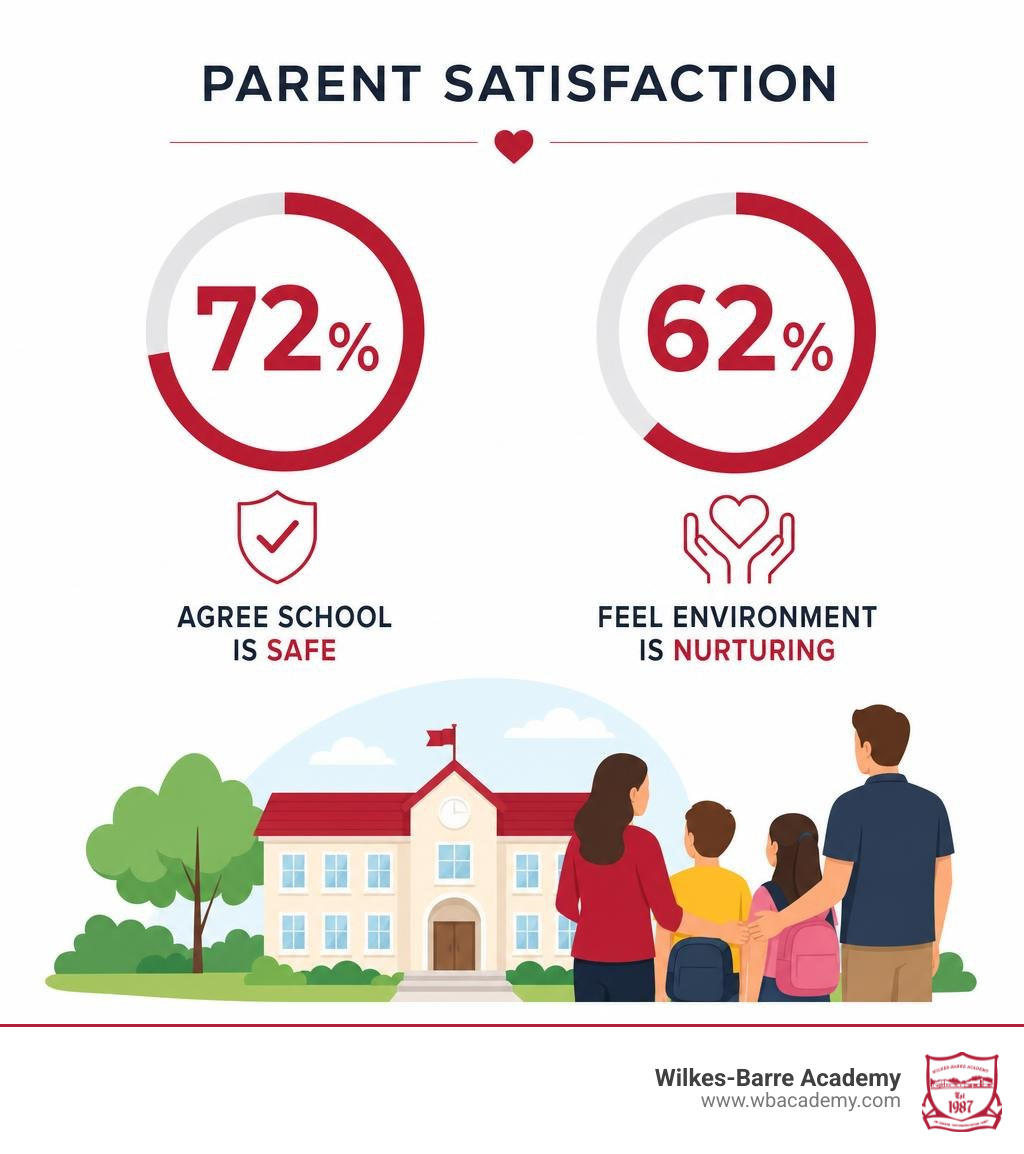
This safe environment leads to exceptionally high levels of parental satisfaction:
- Safety: 72 percent of private school parents strongly agree that their school is safe.
- Supportive Environment: 62 percent of private school parents describe their school’s environment as motivating, supportive, and nurturing.
A key driver of this supportive culture is the partnership between parents and the school. Private schools view parents as essential partners in the educational journey, maintaining open, active channels of communication and encouraging regular parent-teacher contact. To learn more about finding a supportive, values-aligned school in Pennsylvania, explore the best diverse and close-knit schools in Pennsylvania. To understand the broader national shift of parents choosing private schools to protect their role in their children’s education, read the American Enterprise Institute’s analysis on school choice.
The Power of a Close-Knit School Community
At the heart of the private school advantage is the sense of belonging that comes from a close-knit community. When a school is structured intentionally, students do not slip through the cracks.
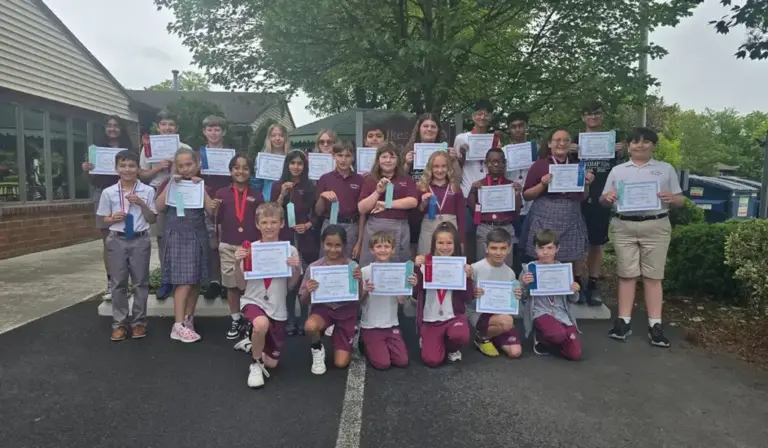
At Wilkes-Barre Academy, we foster this deep sense of community through our unique single-classroom-per-grade structure. By keeping our student cohorts small and consistent, our students build lifelong friendships, support one another academically, and form deep bonds of trust with our faculty. This supportive, family-like atmosphere is a major reason why our school is so highly regarded in Luzerne County. Discover why Wilkes-Barre Academy is the talk of the town and see how our community makes a difference.
How Do Private Schools Address Cost and Affordability Concerns?
A common misconception among families is that private education is exclusively for the wealthy. In reality, private schools are deeply committed to socioeconomic diversity and accessibility. Through robust financial aid, merit scholarships, and tuition assistance programs, independent schools make high-quality education achievable for a wide variety of families.

Many private schools distribute millions of dollars in financial aid annually, frequently supporting 25 percent to 33 percent of their entire student body. This commitment to affordability ensures that classrooms reflect the broader community. In fact, national statistics show that 28 percent of private school students come from families with annual incomes under $50,000.
When families evaluate the cost of tuition, they are looking at a direct investment in their child’s future—one that pays dividends in college scholarships, career opportunities, and personal development. To understand why making this financial commitment is a powerful choice for your child’s trajectory, read about why going private is the ultimate grade upgrade.
Frequently Asked Questions About Private School Superiority
Are private school teachers more qualified than public school teachers?
While public school teachers are required to hold state certifications, private school teachers often possess advanced degrees (such as Master’s degrees or Ph.Ds) and deep subject-matter expertise in their specific disciplines. Private schools prioritize hiring educators who demonstrate a true passion for teaching and a deep understanding of their fields. Furthermore, private school teachers benefit from higher classroom autonomy and fewer bureaucratic distractions, allowing them to focus entirely on student success. For more on how teacher standards translate to student achievements in Pennsylvania, read about certified success for Pennsylvania private school students.
How do private schools support students during the college admissions process?
Private schools offer highly personalized, comprehensive college counseling. Because counselor-to-student ratios are much lower in private schools, advisors can begin working with students early in their high school careers. They provide individual guidance on course selection, extracurricular portfolios, SAT/ACT preparation, and essay writing. This dedicated, one-on-one support is a primary reason why private schools achieve near-perfect college acceptance rates, helping students find and secure admission to institutions that align with their long-term goals.
Is financial aid available for middle-class families at private schools?
Yes. Most private schools offer need-based financial aid programs designed specifically to assist middle-class and working-class families. Schools utilize independent, confidential third-party services to assess a family’s financial profile and determine a fair tuition contribution. Families are highly encouraged to speak with admissions officers early in the application process to explore available grants, payment plans, and tuition assistance options.
Conclusion
The choice of where to educate your child shapes their academic capabilities, their self-confidence, and their long-term path in life. As we navigate the educational landscape of 2026, the advantages of a private education remain clear. By combining rigorous academic standards, small class sizes, rich extracurricular opportunities, and safe, values-driven communities, private schools provide an environment where children can truly reach their full potential.
At Wilkes-Barre Academy, we are proud to offer an academically advanced K-8 curriculum in Luzerne County. Our single-classroom-per-grade structure, close-knit and diverse community, and strong family-school partnerships ensure that every child receives the individualized attention they need to thrive.
We invite you to take the next step in your child’s educational journey. Contact us today to ask questions, learn more about our programs, or schedule a personal tour of our school. Let us help you invest in a bright, successful future for your child.