The Best Private Schools in Luzerne
How Can Parents Identify Schools Prioritizing Individualized Learning and Small Class Sizes?
Finding a private school that truly champions individualized learning and small class sizes requires a discerning eye. It’s about looking beyond surface-level claims and understanding the underlying philosophy and practical implementation within a school. Individualized learning, at its core, means tailoring instruction, pacing, and support to meet each student’s unique needs, strengths, and interests. This approach recognizes that every child learns differently and at their own pace, fostering deeper understanding and a love for learning.
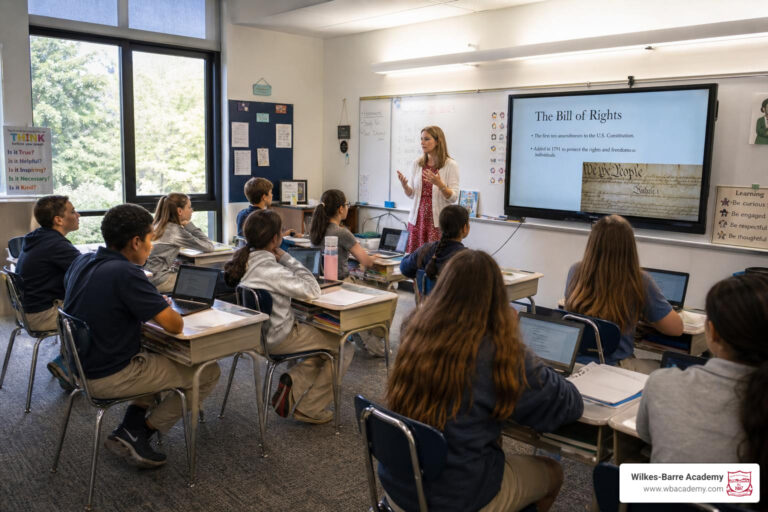
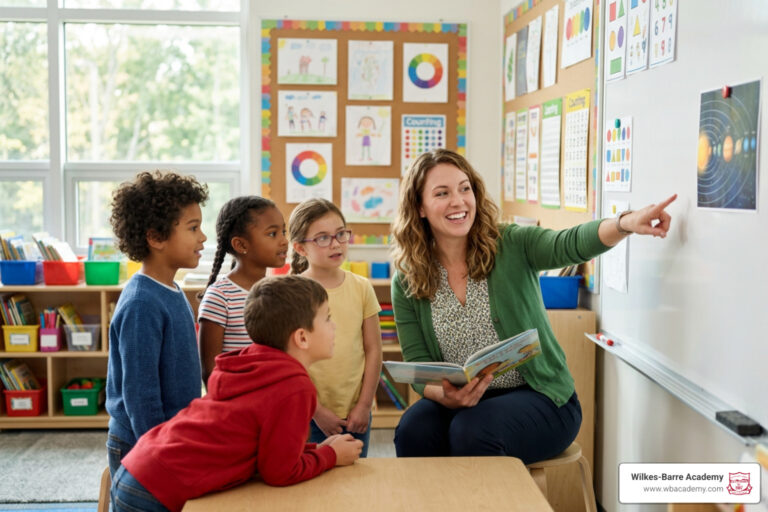
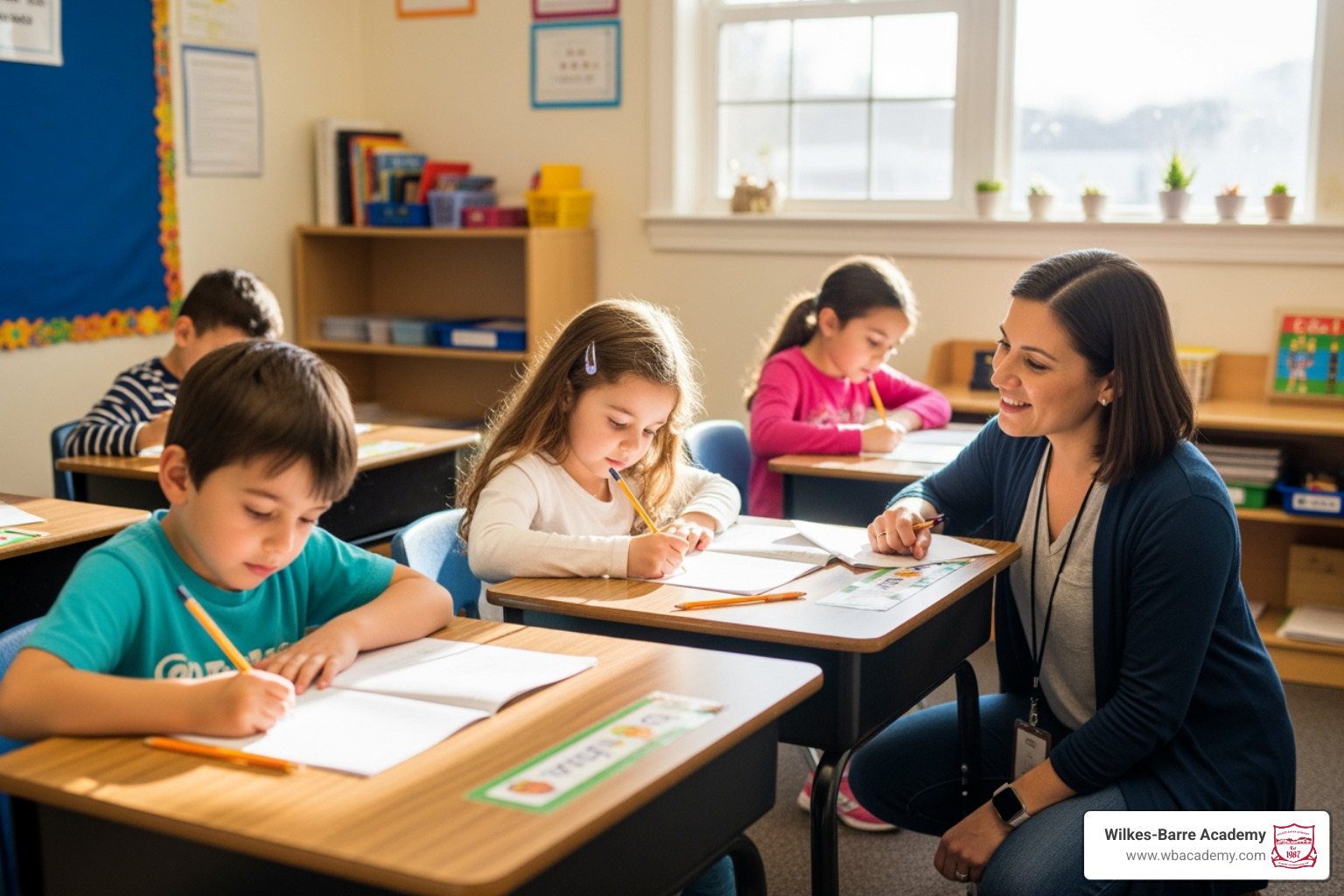
The importance of small class sizes cannot be overstated in achieving this goal. When classes are small, our teachers can dedicate more time to each student, providing personalized feedback, identifying areas for growth, and celebrating individual achievements. This creates a more dynamic and interactive classroom environment where students feel comfortable asking questions, participating in discussions, and receiving the one-on-one attention they need to thrive. It also allows for greater flexibility in curriculum delivery, enabling educators to adapt lessons to resonate with diverse learning styles.
When evaluating schools, we encourage you to look closely at their mission and philosophy statements. Do they explicitly mention “personalized attention,” “student-centered approach,” “holistic development,” or “meeting individual needs”? These phrases are strong indicators of a school’s commitment to individualized learning. We believe that a school’s foundational beliefs should align with your family’s educational values.
During school visits, which are crucial steps in your decision-making process, we recommend asking targeted questions. These might include:
- “What is your average class size, and what is your student-teacher ratio?”
- “How do you differentiate instruction to cater to various learning styles and academic levels?”
- “Can you provide examples of how you support students who are excelling or those who may need additional academic assistance?”
- “What professional development opportunities do your teachers receive to stay current with best practices in individualized education?”
- “How does the school foster a sense of community and belonging among students, especially in smaller settings?”
- “What flexibility does the curriculum offer to allow students to explore their interests or pursue advanced topics?”
Curriculum flexibility is another key element. A school committed to individualized learning will likely offer a curriculum that can be adapted to a student’s pace and style, rather than a rigid, one-size-fits-all model. This might involve project-based learning, access to enrichment programs, or differentiated assignments.
Finally, the qualifications and ongoing professional development of teachers are paramount. Highly skilled, state-certified educators who are passionate about their craft and continuously engaging in professional learning are better equipped to implement individualized learning strategies effectively. They understand how to observe, assess, and respond to each student’s evolving needs. At Wilkes-Barre Academy, we pride ourselves on our state-certified teachers who are dedicated to continuing education, ensuring they bring the most effective and innovative teaching methods to our classrooms. Our commitment to Small Classes and Big Hearts at Wilkes-Barre Academy underscores our belief that a nurturing environment is essential for academic success.
What Defines “Limited Enrollment Per Grade”?
The term “limited enrollment per grade” is often used interchangeably with “small class sizes,” but it specifically refers to a structured approach where the number of students in each grade level is intentionally capped, often to the extent of having a single classroom per grade. This model is a cornerstone of true individualized learning, as it inherently restricts the student-teacher ratio and fosters a unique educational environment.
At Wilkes-Barre Academy, for instance, we operate on a single classroom per grade structure for Kindergarten through Eighth Grade. This deliberate choice allows us to build exceptionally strong relationships between students and teachers, as well as among peers. In such a setting, teachers get to know each student intimately—their learning styles, their personalities, their challenges, and their triumphs—over multiple years. This deep understanding enables truly personalized instruction and mentorship.
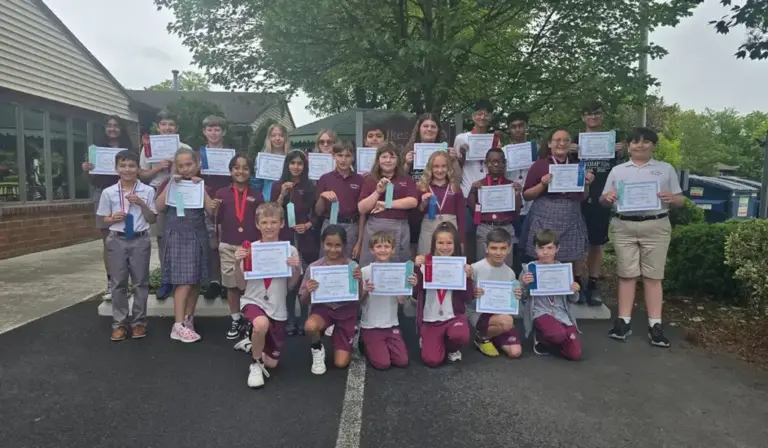
The benefits of this K-8 structure for continuity are profound. Students grow up together, forming long-lasting friendships and a strong sense of community. They transition smoothly from one grade to the next within a familiar environment, reducing anxiety and allowing them to focus on learning. Teachers, too, benefit from this continuity, as they often have a comprehensive understanding of a student’s academic history and developmental trajectory, facilitating a more cohesive educational journey.
Limited enrollment also fosters strong family-school connections. In a smaller school community, parents often know all the teachers, and communication is typically more direct and frequent. This partnership between home and school is vital for supporting a child’s overall development. Parents become integral members of the school community, participating in events, volunteering, and engaging in open dialogue about their child’s progress.
Furthermore, the role of a diverse student body in a small setting enriches the learning experience exponentially. While the numbers are limited, the diversity within that group—whether in backgrounds, learning styles, or interests—allows for a rich exchange of ideas and perspectives. Students learn to appreciate differences, collaborate effectively, and develop a broader worldview, all within a nurturing and personalized environment that a single classroom per grade naturally provides.
What Private Schools in Luzerne County Offer Limited Enrollment for Individualized Learning?
Identifying private schools in Luzerne County that genuinely prioritize individualized attention through limited enrollment requires careful investigation. Many schools may claim small class sizes, but look for those that have a structural commitment to it, such as a single classroom per grade, as we do at Wilkes-Barre Academy. These schools are often characterized by their emphasis on a close-knit community, strong academic support, and a mission focused on nurturing each student’s potential.
To begin your search for private schools in Luzerne County, we recommend utilizing online search engines and educational directories. Websites like Niche.com (which we’ll discuss further) and the National Center for Education Statistics (NCES) are excellent resources. For example, you can find detailed information about our institution, Wilkes-Barre Academy, through the NCES School Search tool, which provides specific data on our enrollment and operational structure. You can view our profile here: Wilkes-barre Academy – Search for Private Schools – School Detail for .
Understanding the unique offerings of local institutions is also vital. While some schools might focus on a specific religious affiliation, a particular educational philosophy (like Montessori), or a specialized curriculum, others, like Wilkes-Barre Academy, prioritize a broad, academically advanced curriculum within a non-religious, diverse community setting. Each school will have its own strengths, and aligning these with your child’s needs and your family’s values is key.
Wilkes-Barre Academy stands as a prime example of a K-8 school in Luzerne County that is explicitly designed for individualized learning through its single classroom per grade model. This structure is not just a feature; it’s fundamental to our educational philosophy. It allows us to create an environment where every student is known, valued, and supported throughout their elementary and middle school years, ensuring they receive the attention necessary to excel academically and develop personally.
Exploring Wilkes-Barre Academy’s Approach to Individualized Learning
At Wilkes-Barre Academy, our approach to individualized learning is embedded in every aspect of our K-8 program. We offer an academically advanced curriculum designed to challenge and inspire students from Kindergarten through 8th Grade. Our goal is to provide a rigorous educational foundation that prepares students not just for high school, but for a lifetime of learning and critical thinking. We believe that by providing a stimulating and supportive environment, we empower students to reach their full potential.
Our focus on Kindergarten through 8th Grade allows us to provide a consistent and coherent educational experience during these formative years. Students benefit from long-term relationships with our faculty and staff, who come to understand their individual learning trajectories and personal growth. This continuity fosters a strong sense of security and belonging, which is crucial for effective learning.
We are proud to be a non-religious and diverse community. This means we welcome students from all backgrounds and foster an inclusive environment where different perspectives are celebrated. Our curriculum is designed to be universally enriching, focusing on academic excellence and character development without any religious affiliation. This diversity enriches the classroom experience, preparing students for a globally connected world. You can learn more about our academic programs by visiting our Academics page.
Our commitment to individualized learning is further strengthened by our team of state-certified teachers. We ensure that our educators are not only highly qualified in their respective fields but also dedicated to continuous professional development. This ongoing learning keeps them abreast of the latest educational research and pedagogical techniques, enabling them to implement the most effective individualized strategies in their classrooms. Our teachers are truly the heart of our school, and their dedication to each student’s success is unwavering. To understand more about our history and philosophy, we invite you to explore Our Story.
How Do Key Metrics Like Student-Teacher Ratio and School Ratings Help Evaluate Options?

When evaluating private school options for individualized learning, key metrics such as student-teacher ratio and overall school ratings serve as invaluable tools. The student-teacher ratio, in particular, is a direct indicator of the level of personalized attention your child is likely to receive. A lower ratio signifies that teachers have fewer students to manage, allowing them to spend more one-on-one time, offer tailored feedback, and adapt lessons to individual learning paces. This direct correlation makes it a critical factor for parents prioritizing individualized education. For instance, a ratio of 1:8 means a teacher can dedicate significantly more attention to each child than a ratio of 1:20.
School ratings and reviews from platforms like Niche.com provide a broader perspective on educational quality and overall school environment. These ratings often synthesize various data points, including academic performance, student and parent reviews, and key statistics, giving you a comprehensive snapshot of a school’s strengths and culture. While rankings should not be the sole determinant, they can highlight schools that consistently receive high marks for their academic programs, faculty, and community.
It’s important to understand the methodology behind these rankings. For example, the 2026 Best Private K-12 Schools in Pennsylvania ranking on Niche.com has made a notable adjustment by removing SAT/ACT scores from its primary ranking criteria. This change reflects a broader trend in education to de-emphasize standardized test scores in college admissions and, consequently, in school evaluations. This shift means that other metrics, such as student-teacher ratio, parent/student surveys, and academic program rigor, carry more weight, which can be particularly beneficial for parents seeking individualized learning environments. The 2026 ranking includes 218 private schools across the state, with several in or near Luzerne County, offering a rich pool of options for your consideration.
Utilizing online resources for school comparisons is an efficient way to narrow down your choices. Niche.com, for example, allows you to filter schools by location, grade level, and specific criteria, providing detailed profiles and user reviews. This can help you identify schools in Luzerne County that align with your priorities for individualized learning and a supportive environment. You can explore private schools in our area directly through this resource: Private Schools in Luzerne County, PA – Niche . When reviewing these profiles, pay close attention to sections detailing class sizes, academic support, and testimonials that speak to personalized attention.
What Other Factors Should Parents Consider Beyond Rankings?
While rankings and student-teacher ratios offer valuable insights, a holistic evaluation requires looking at several other crucial factors. These elements contribute significantly to a child’s overall experience and success in a private school setting:
- Community and Environment: Beyond academics, consider the school’s culture. Does it foster a welcoming, inclusive, and supportive community? A positive and nurturing environment where students feel safe, respected, and valued is essential for their social-emotional development and academic engagement. Look for evidence of strong peer relationships, active parent involvement, and a collaborative spirit among faculty and students.
- School Values and Philosophy: Every school operates under a set of core values and an educational philosophy. Do these align with your family’s beliefs and your child’s personality? Some schools emphasize character development, critical thinking, or a global mindset. Understanding these foundational principles will help you determine if the school is a good cultural fit for your child.
- Support for Neurodiverse Learners: If your child has specific learning differences or needs, inquire about the school’s provisions for neurodiverse learners. This includes understanding their approach to accommodations, specialized instruction, and inclusive practices. A school committed to individualized learning should ideally have strategies in place to celebrate learning differences and provide appropriate support.
- Financial Aid and Tuition Assistance: Private school tuition can be a significant investment. Many private schools offer financial aid or scholarship programs to make their education more accessible. It’s important to inquire about these options early in the admissions process to understand the financial commitment and available support.
- College Placement and Future Academic Pathways: While Wilkes-Barre Academy focuses on K-8 education, for parents considering K-12 private schools, college placement rates and the types of colleges students attend can be important indicators of a school’s academic rigor and success in preparing students for higher education. This can provide insight into the long-term academic trajectory a school fosters. Even for K-8 schools, understanding how they prepare students for competitive high school programs can be a relevant consideration.
By considering these factors alongside quantitative metrics, you can gain a more complete picture of a private school and make a decision that best suits your child’s unique needs and your family’s aspirations.
What Local Educational Resources Complement Private School Offerings in Luzerne County?
Beyond the K-12 private school options, Luzerne County is fortunate to have additional educational resources that complement and sometimes mirror the individualized learning approaches found in private settings. Luzerne County Community College (LCCC) stands out as a significant local institution that shares a commitment to small class sizes and individualized learning. Serving approximately 7,300 students, LCCC emphasizes creating an environment that fosters positive interaction with faculty, a philosophy that aligns closely with the benefits sought in private K-12 education.
LCCC offers a wide array of programs and facilities that can relate to or even complement a K-12 private school education. For instance, while our students at Wilkes-Barre Academy are in K-8, the presence of a community college with a strong emphasis on personalized attention reinforces a regional educational ecosystem that values individual student success. For older students, or even as a future consideration for our graduates, LCCC provides opportunities for early college enrollment, dual enrollment programs, or specialized courses that can enrich their academic journey. These programs allow high school students to earn college credits, explore potential career paths, or delve deeper into subjects not typically offered in a standard high school curriculum.
The facilities at LCCC, including modern labs, libraries, and learning centers, provide valuable resources that contribute to the overall educational landscape of Luzerne County. These resources can sometimes be accessed by the broader community, offering enrichment opportunities outside of traditional K-12 schooling.
Community colleges, in general, play a crucial role in supporting local educational ecosystems by providing accessible, affordable, and high-quality post-secondary education. Their emphasis on small class sizes and faculty-student interaction means that students transitioning from a personalized K-8 or K-12 private school environment can find a similar supportive atmosphere as they continue their academic pursuits. This regional commitment to individualized learning, from elementary through higher education, strengthens the overall educational opportunities available to families in Luzerne County.
How Can Families Make the Best Private School Choice for Their Child in Luzerne County?
Making the best private school choice for your child in Luzerne County is a significant decision that requires careful consideration and actionable steps. It’s about finding a school that not only meets academic expectations but also aligns with your child’s personality, learning style, and your family’s values. We believe that a holistic assessment is crucial, looking beyond just test scores or rankings to understand the school’s culture, community, and commitment to individualized growth.
Here are some actionable steps for parents in the selection process:
- Conduct Thorough Online Research: Start by exploring school websites, educational directories (like Niche.com and NCES), and parent forums. Look for schools that explicitly mention individualized learning, small class sizes, and a student-centered approach. Identify schools that resonate with your initial criteria.
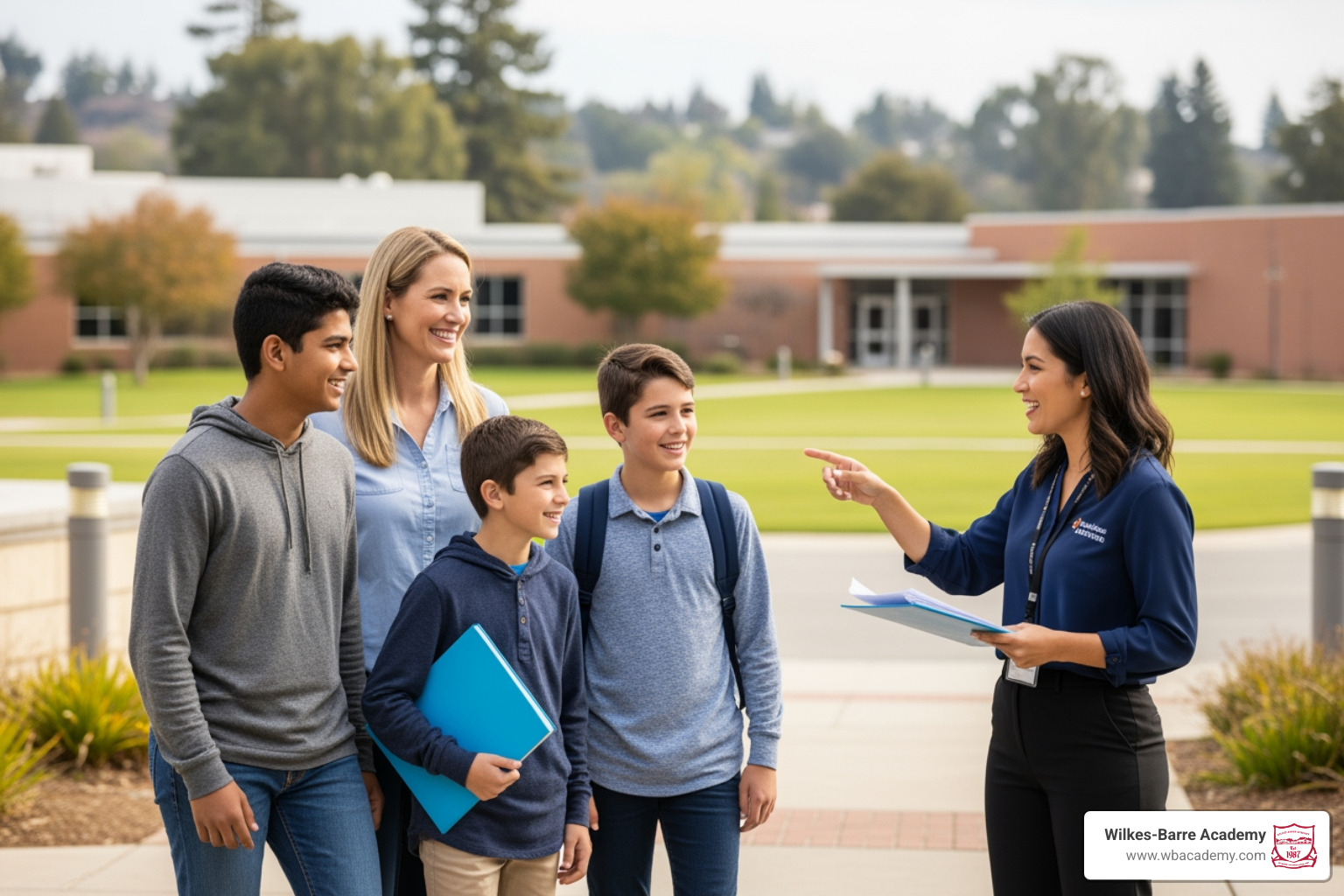
- Schedule Private Tours and Attend Open Houses: There’s no substitute for experiencing a school firsthand. Schedule private tours during school hours to observe classrooms in action, interact with teachers and students, and get a feel for the daily rhythm. Attend open houses to meet faculty, staff, and current parents, and to learn more about the school’s programs and philosophy. This is an invaluable opportunity to ask all your prepared questions.
- Contact Admissions Coordinators: Don’t hesitate to reach out directly to the admissions office. They are your primary resource for enrollment details, application processes, tuition information, and financial aid options. A good admissions team will be eager to answer your questions and guide you through every step. You can always contact our admissions team at Wilkes-Barre Academy for personalized assistance.
- Evaluate School Fit Based on Your Child’s Needs: Consider your child’s unique strengths, challenges, and interests. Does the school’s environment seem like a place where they would thrive? Do the academic programs align with their learning style? Does the school offer extracurricular activities that would engage them? A good fit means your child will feel supported, challenged, and happy.
- Assess Alignment with Family Values: A school becomes an extension of your home environment. Ensure that the school’s mission, values, and disciplinary approach are consistent with your family’s own principles. This alignment contributes to a more cohesive and supportive upbringing for your child.
The importance of a holistic assessment cannot be overstressed. Look at the full picture: academics, social development, emotional well-being, extracurricular opportunities, and community involvement. At Wilkes-Barre Academy, we encourage families to learn more about our comprehensive approach to education by visiting our Admissions and About pages, where you can gain a deeper understanding of our commitment to nurturing each child.
What Are the Next Steps for Exploring Wilkes-Barre Academy?
If you are seeking a private K-8 school in Luzerne County that is deeply committed to individualized learning through a single classroom per grade, we invite you to take the next steps in exploring Wilkes-Barre Academy. We believe that seeing our school in person and speaking with our dedicated faculty and staff is the best way to understand the unique environment we offer.
- Contact us to arrange a private tour: We would be delighted to show you our facilities, introduce you to our teachers, and allow you to observe our classrooms in session. A private tour provides an intimate look at our daily operations and allows for personalized discussions about your child’s specific needs and our programs.
- Understand our application process for K-8: Our admissions team is ready to guide you through every step of the application process for Kindergarten through 8th Grade. We aim to make the process as clear and straightforward as possible, ensuring you have all the information you need.
- Learn more about our academic program and community: We encourage you to delve deeper into our academically advanced curriculum and discover how our non-religious, diverse community fosters a supportive and enriching learning environment. Our website is a comprehensive resource for this information, particularly our Academics page.
We look forward to helping you discover if Wilkes-Barre Academy is the right fit for your child’s educational journey.