The Complete Guide to Individualized Learning Private Schools in Luzerne County
What Defines an Individualized Learning Private School in Luzerne County
Every child arrives in the classroom with distinct curiosities, learning rhythms, and strengths. An individualized learning environment recognizes these differences by designing daily instruction around each learner rather than forcing children to fit a rigid, one-size-fits-all lesson plan. In Northeastern Pennsylvania, families seeking this approach often discover that no two brains are alike: the rise of personalized private education in PA highlights how tailored instruction transforms early academic experiences.
At its core, individualized private education combines intentional classroom design with responsive teaching methods:
- Single-Classroom Cohort Model: Structuring a school with a single classroom per grade level ensures that faculty know every child by name, learning style, and personal goals.
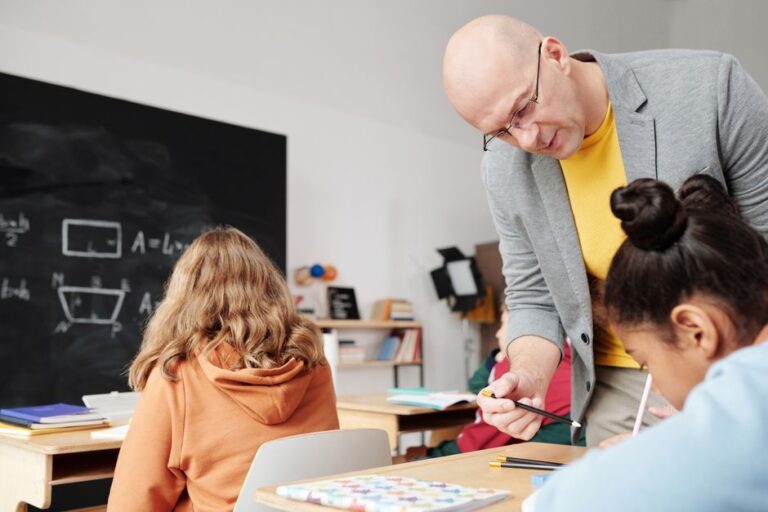
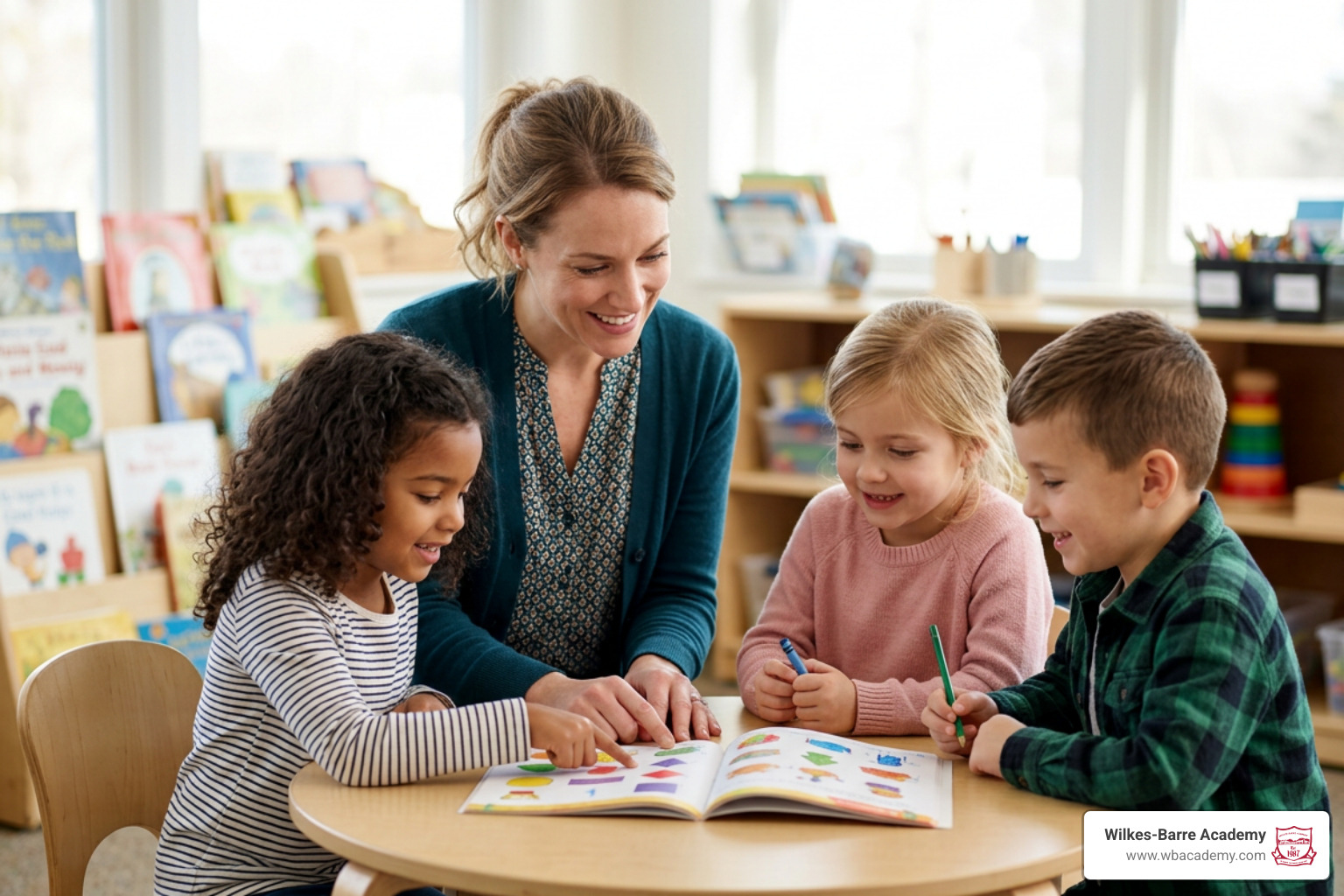
- Low Student-to-Teacher Ratios: Small class sizes allow state-certified teachers to provide meaningful one-on-one feedback during every instructional block.
- Tailored Instruction: Rather than advancing purely by calendar dates, lessons flex based on student mastery, offering deeper investigation or extra practice as needed.
- Continuous Family Collaboration: Transparent, frequent communication keeps parents fully connected to their child’s daily growth and emerging milestones.
Academic Pacing in an Individualized Learning Private School in Luzerne County
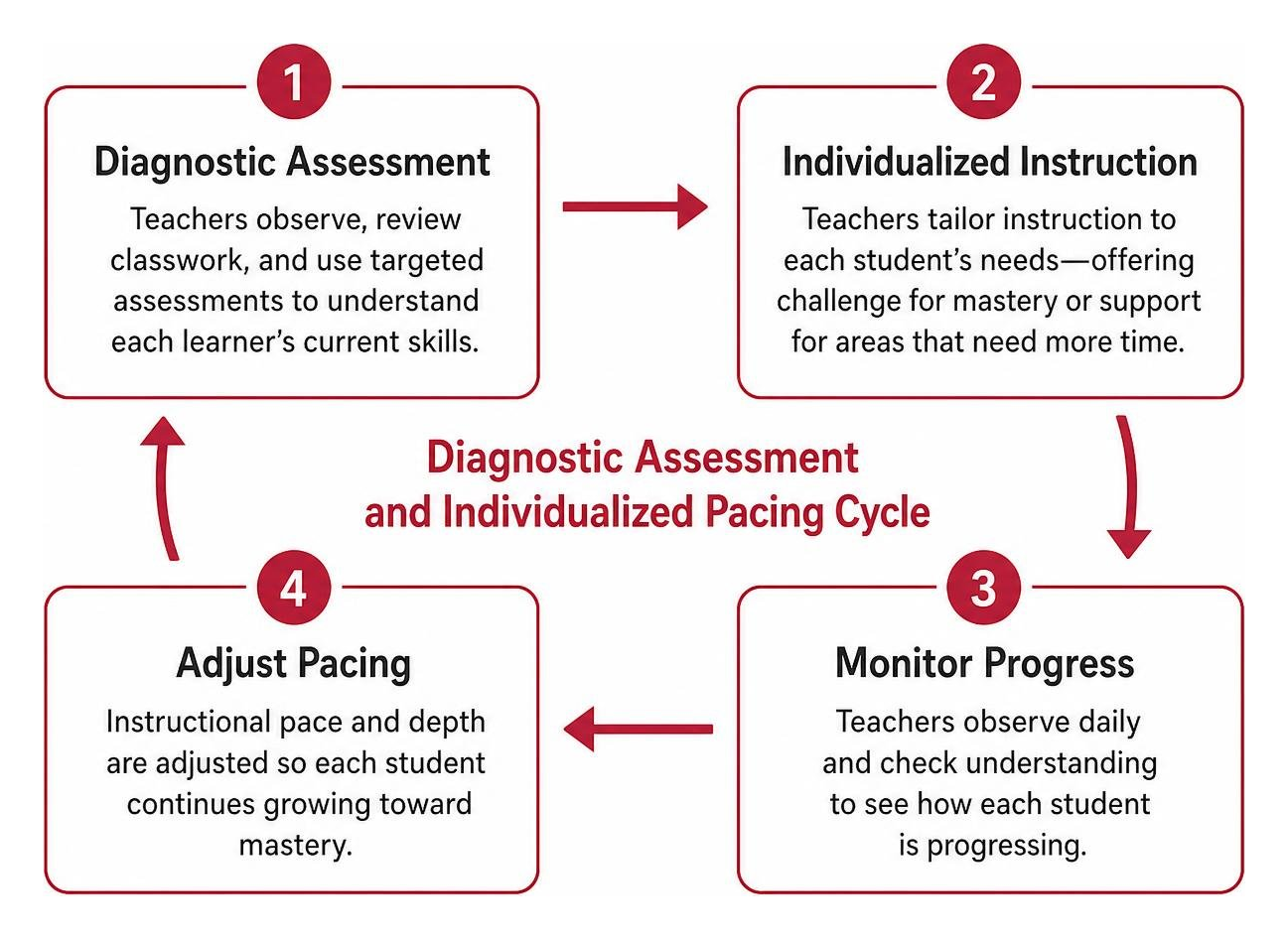
Academic pacing in an individualized setting is guided by ongoing diagnostic assessments and mastery learning rather than rigid scheduling. Teachers observe daily classwork, review targeted assessments, and adjust instructional depth in real time.
When a student grasps an advanced math concept early, teachers introduce higher-level problem-solving challenges instead of asking them to wait for the rest of the room. When a student needs more time to master a complex reading comprehension skill, the teacher provides direct guidance before moving forward. Understanding why a private K-8 school in Pennsylvania makes the grade often comes down to this ability to offer customized milestones within an advanced curriculum.
Social and Emotional Growth in Small Learning Environments
Academic growth thrives when children feel emotionally secure, valued, and understood. Small learning environments nurture a close-knit, welcoming culture where students build genuine friendships across grade levels. Collaborative projects, peer discussions, and daily social interactions occur in an atmosphere free from the overwhelming crowd dynamics of massive school settings.
Our philosophy of small classes and big hearts reflects how a warm, positive climate helps students develop empathy, public speaking confidence, and resilience alongside academic excellence.
Comparing Educational Pathways Across Luzerne County
Families in Luzerne County have several educational models to consider when planning their child’s academic journey. The table below outlines how personalized K-8 private education compares to traditional private schooling and public district options:
| Educational Feature | Personalized K-8 Private School | Traditional Private School | Public School Frameworks |
|---|---|---|---|
| Classroom Cohort Structure | Single classroom per grade; low student-to-teacher ratio | Multiple sections per grade; mid-size cohorts | Multiple classrooms per grade; larger overall rosters |
| Curriculum Customization | Dynamic, responsive pacing adapted to individual mastery | Fixed, standardized pacing per grade-level schedule | State-mandated curriculum tracks with set calendar progression |
| Instructional Approach | Differentiated instruction, one-on-one mentoring, advanced enrichment | Traditional lecture and group assignments | Standardized group instruction with departmentalized tracks |
| Community Atmosphere | Close-knit, non-religious, diverse family community | Often religiously affiliated or large independent campus | Broad neighborhood or regional population |
When researching the best Wilkes-Barre area schools for individualized learning, understanding these structural differences helps parents choose an environment aligned with their child’s immediate and long-term educational goals.
Elementary and Middle School Foundations (Grades K-8)
The foundational years from Kindergarten through Eighth Grade represent the most crucial window for developing cognitive agility, study habits, and a genuine love for learning. In a dedicated K-8 setting, young children benefit from an academically rich environment without the social pressures often present in combined high school facilities.
Early literacy instruction balances phonemic awareness, expressive writing, and guided reading to cultivate articulate communicators. In mathematics, foundational numeracy progresses smoothly into pre-algebra and advanced algebra through structured, hands-on discovery. Our rigorous academics cultivate analytical reasoning, scientific inquiry, and creative problem-solving within cohesive single-grade cohorts.
Preparing Students for Secondary Education and Beyond
A strong K-8 individualized education builds durable academic self-reliance. As students move into the upper elementary and middle school grades, instruction shifts intentionally toward independent study skills, time management, and advanced research strategies.
Secondary schools value incoming students who know how to ask insightful questions, organize long-term assignments, and advocate for their own learning needs. By emphasizing competency, progression, and critical thinking throughout middle school, students transition into regional high schools with strong self-confidence and a proven track record of academic achievement.
Differentiated Pacing and Academic Progression
Differentiated pacing allows teachers to expand or condense curriculum topics based on real-time student performance. In an individualized classroom, this process includes:
- Targeted Enrichment: Providing high-interest, interdisciplinary research projects when foundational concepts are mastered quickly.
- Skill Scaffolding: Breaking complex multi-step processes into clear, manageable steps for students building confidence in a specific subject.
- Cross-Curricular Connections: Integrating history, science, and literature so students see how ideas connect across disciplines.
- Active Mastery Tracking: Evaluating conceptual understanding through presentations, written analysis, and practical application rather than relying solely on repetitive testing.
Supporting Diverse Needs: Accommodations, IEPs, and Enrichment
An effective individualized private school welcomes learners with diverse talents, backgrounds, and learning styles. Cultivating a supportive environment where children learn alongside peers with different perspectives is central to fostering global citizenship, as highlighted in the best diverse and close-knit schools in Pennsylvania.

Addressing Learning Differences and Accommodations
For students who have individualized education plans (IEPs) or specific classroom accommodations, small private settings offer natural advantages. Because teachers work closely with each child daily, modifications such as preferential seating, broken-down instructions, specialized reading support, and extended processing time can be woven seamlessly into everyday routines.
Our state-certified faculty regularly participate in continuing professional education to stay current on adaptive instructional methods. When families share previous evaluations or formal accommodation plans, our educators collaborate directly with parents to implement practical, classroom-based strategies that keep learning positive and productive.
Advanced Enrichment and Accelerated Paths
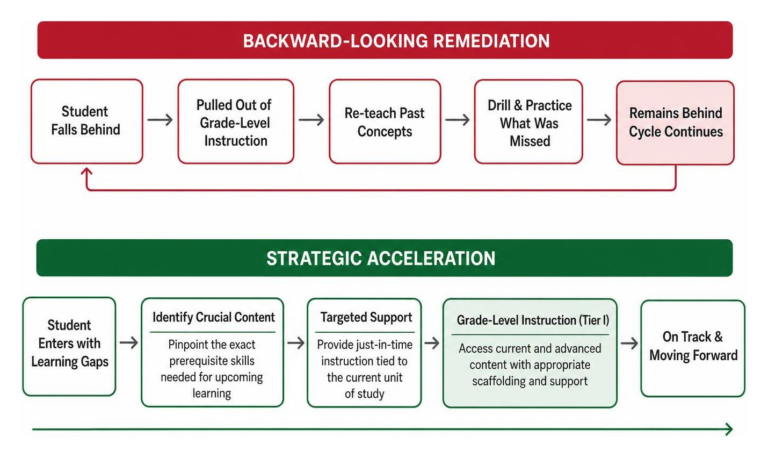
Academically advanced students frequently need greater intellectual challenge than standard grade-level curricula provide. In many conventional classrooms, rapid learners finish their assignments quickly and are asked to wait quietly. In an individualized private school, learning has no artificial ceiling.
When exploring accelerated learning private schools, parents find that single-classroom cohorts allow teachers to introduce advanced literature, higher-level mathematical concepts, and self-directed scientific investigations without separating children from their social peer group.
Navigating Admissions, Tuition, and School Selection
Choosing the right private school involves evaluating educational philosophy, visiting classrooms in person, and understanding enrollment expectations.
Admissions and Enrollment for an Individualized Learning Private School in Luzerne County
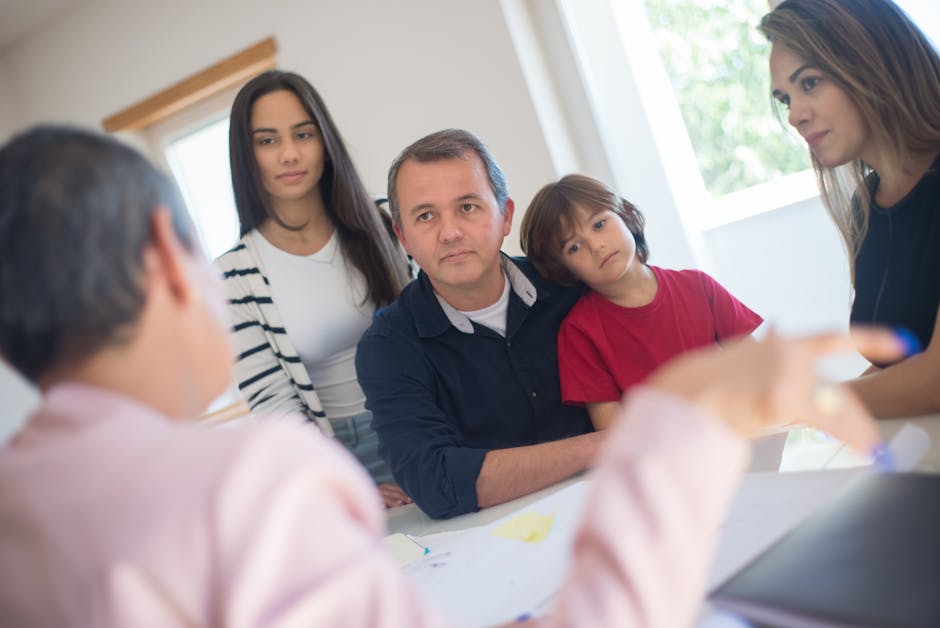
The admissions journey at an individualized school is designed to ensure a strong mutual fit between the child, the family, and the school community. The process typically follows four clear steps:
- Initial Inquiry and School Tour: Parents schedule a private visit to observe the single-classroom structure, view student work, and experience the school climate firsthand.
- Application Submission: Families complete our formal admissions process by submitting student background details, academic records, and recent progress reports.
- Student Placement Evaluation: An informal assessment or shadow day helps teachers understand the student’s current reading, writing, and mathematical foundations.
- Admissions Consultation: School leadership meets with parents to discuss evaluation insights, answer questions, and finalize enrollment details.
Tuition Planning, Scholarships, and Investment Value
Investing in an individualized K-8 private education establishes foundational academic habits that benefit children throughout high school, college, and future careers. When evaluating the best private schools in Luzerne, families should review tuition schedules alongside available financial assistance programs and payment plans.
As a non-profit educational institution, we focus our resources directly on classroom instruction, certified faculty development, and student learning materials to provide exceptional value for local families.
Frequently Asked Questions About Individualized Education in Luzerne County
How do individualized private schools support students with IEPs or specialized learning needs?
Individualized private schools support students by embedding accommodations directly into daily instructional routines. Small class sizes allow state-certified teachers to provide focused attention, adjust instructional pacing, and deliver differentiated materials without drawing unnecessary attention to individual learning differences.
What are typical class sizes and student-to-teacher ratios in personalized private schools?
Personalized private schools maintain small cohorts, often operating with a single classroom per grade level. This keeps student-to-teacher ratios exceptionally low, ensuring that educators can observe every child’s daily progress and tailor lessons to individual developmental needs.
How do K-8 individualized private programs differ from traditional classroom settings?
Unlike traditional classrooms that follow rigid pacing guides regardless of student comprehension, K-8 individualized programs adapt instruction to mastery. Teachers provide advanced challenges for students ready to accelerate and immediate, supportive scaffolding for those mastering foundational skills.
Conclusion
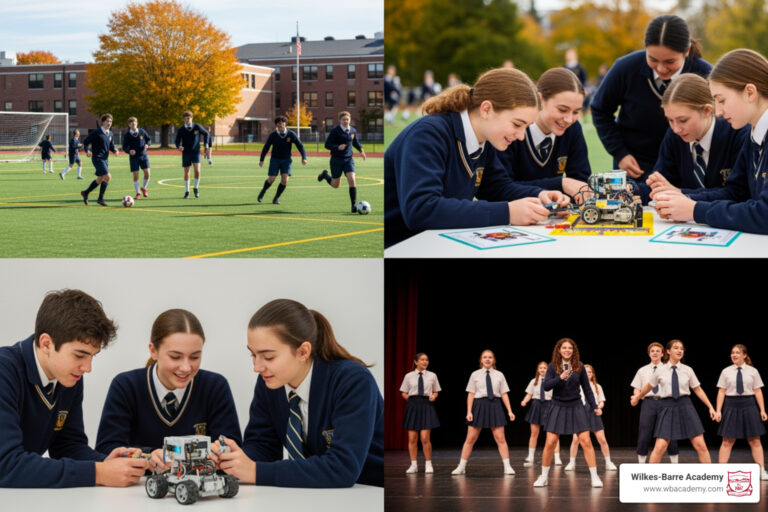
Finding the right learning environment during the formative elementary and middle school years sets the stage for a lifetime of academic confidence. Wilkes-Barre Academy provides an academically advanced, non-profit, non-religious K-8 education from our single-location campus in Luzerne County.
Through our single-classroom-per-grade model, state-certified educators, and close-knit family culture, we ensure that every student is known, challenged, and supported. We invite you to explore our story and private school community and schedule a private tour to discover what personalized education can do for your child.