A Practical Guide to the Benefits of Activities for Kids
Why Extracurricular Activities Matter for Elementary Students
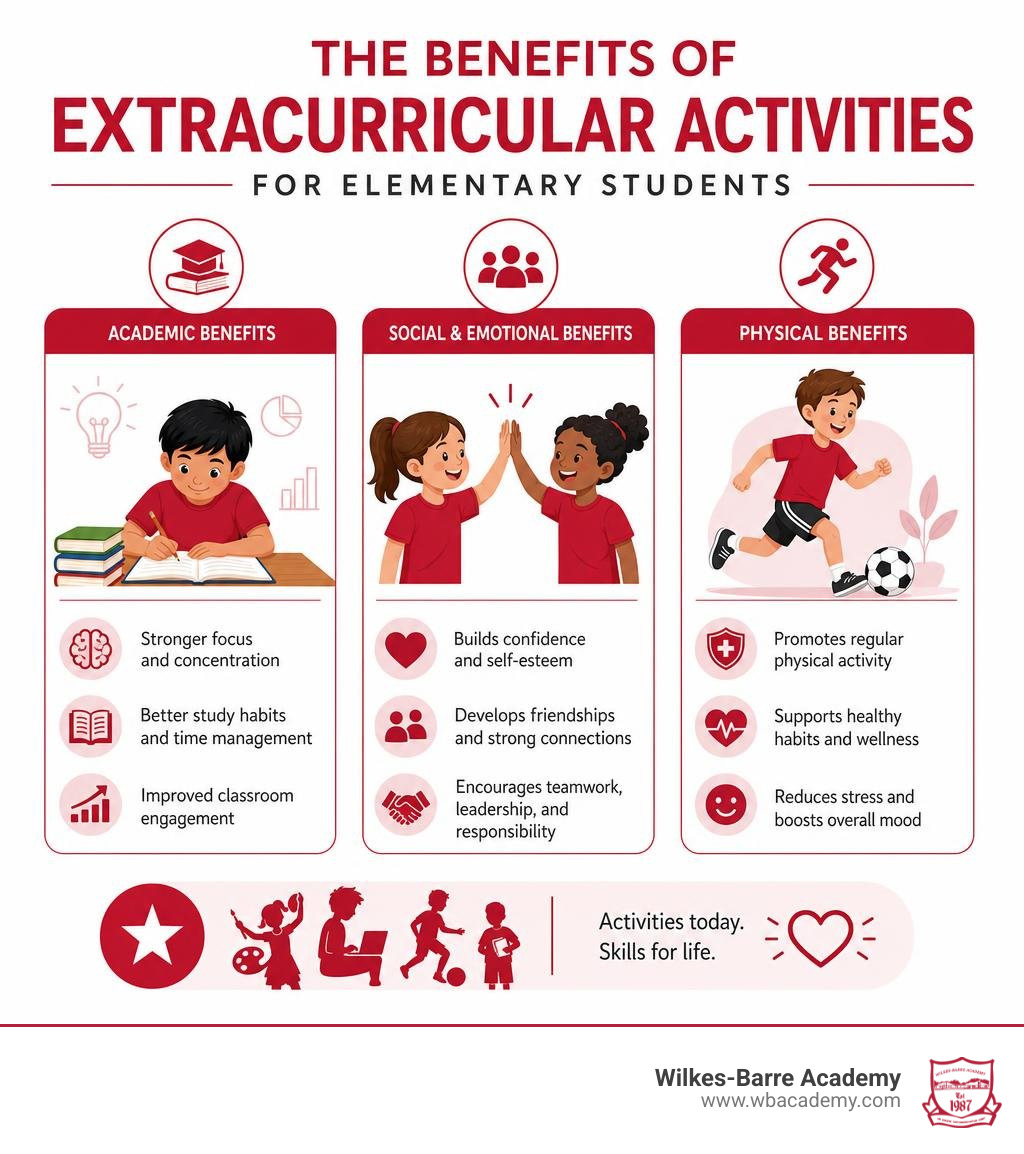
The benefits of extracurricular activities for elementary students reach far beyond filling time after school. The right activity can help children build academic focus, make friends, practice teamwork, gain confidence through new skills, and stay physically active.
For the strongest results, choose an activity your child enjoys, keep the schedule manageable, and leave room for homework, family time, rest, and unstructured play. Sports, arts, STEM clubs, service projects, and leadership activities each support growth in different ways.
Research links extracurricular participation with stronger school engagement and academic outcomes. But the biggest benefit for a young child is often simple: they get a safe place to try, struggle, improve, and discover what they can do.
Essential benefits of extracurricular activities for elementary students terms:
- after school activities wilkes-barre
- extracurricular activities private school pennsylvania
- peer tutoring program school pa
Core Benefits of Extracurricular Activities for Elementary Students
During the primary school years, children experience rapid neurological, social, and emotional growth. Participating in structured out-of-classroom programs provides an authentic environment where children learn to translate abstract classroom lessons into tangible life skills.
A cornerstone of healthy childhood development is self-efficacy: a child’s belief in their ability to succeed at specific tasks. According to Albert Bandura’s Social Cognitive Theory, self-efficacy is constructed primarily through direct mastery experiences, vicarious peer modeling, and positive adult encouragement. Empirical research shows that 62.74% of students involved in organized sports extracurriculars demonstrate high self-efficacy, and students in clubs consistently display higher creative self-efficacy (Mean = 4.21) compared to non-participating peers (Mean = 3.92).
Scientific research on early childhood developmental gains reveals that structured programs simultaneously accelerate growth across six core developmental domains:
- Social-emotional regulation
- Expressive and receptive communication
- Gross motor coordination
- Fine motor dexterity
- Cognitive problem-solving
- Personal-social adaptive skills
Importantly, this research underscores that after-school programs act as a vital compensatory mechanism. While every child benefits from structured enrichment, students starting at a developmental disadvantage demonstrate the largest relative developmental leaps when given regular access to enrichment activities.
Cognitive and Academic Benefits of Extracurricular Activities for Elementary Students
A common concern among parents is whether adding afternoon commitments will distract from core schoolwork. Longitudinal educational data demonstrates the exact opposite: structured extracurricular participation directly reinforces academic achievement.
An empirical analysis on student grades and behavior indicates that each additional extracurricular activity a student joins is associated with a 36.7% increase in academic grade improvement and a 36% improvement in classroom behavior. Participating elementary pupils consistently earn higher grade point averages (such as 17.08/20 vs. 15.98/20 among non-participants), with 85.5% reporting increased study motivation and 65.8% displaying enhanced classroom concentration.
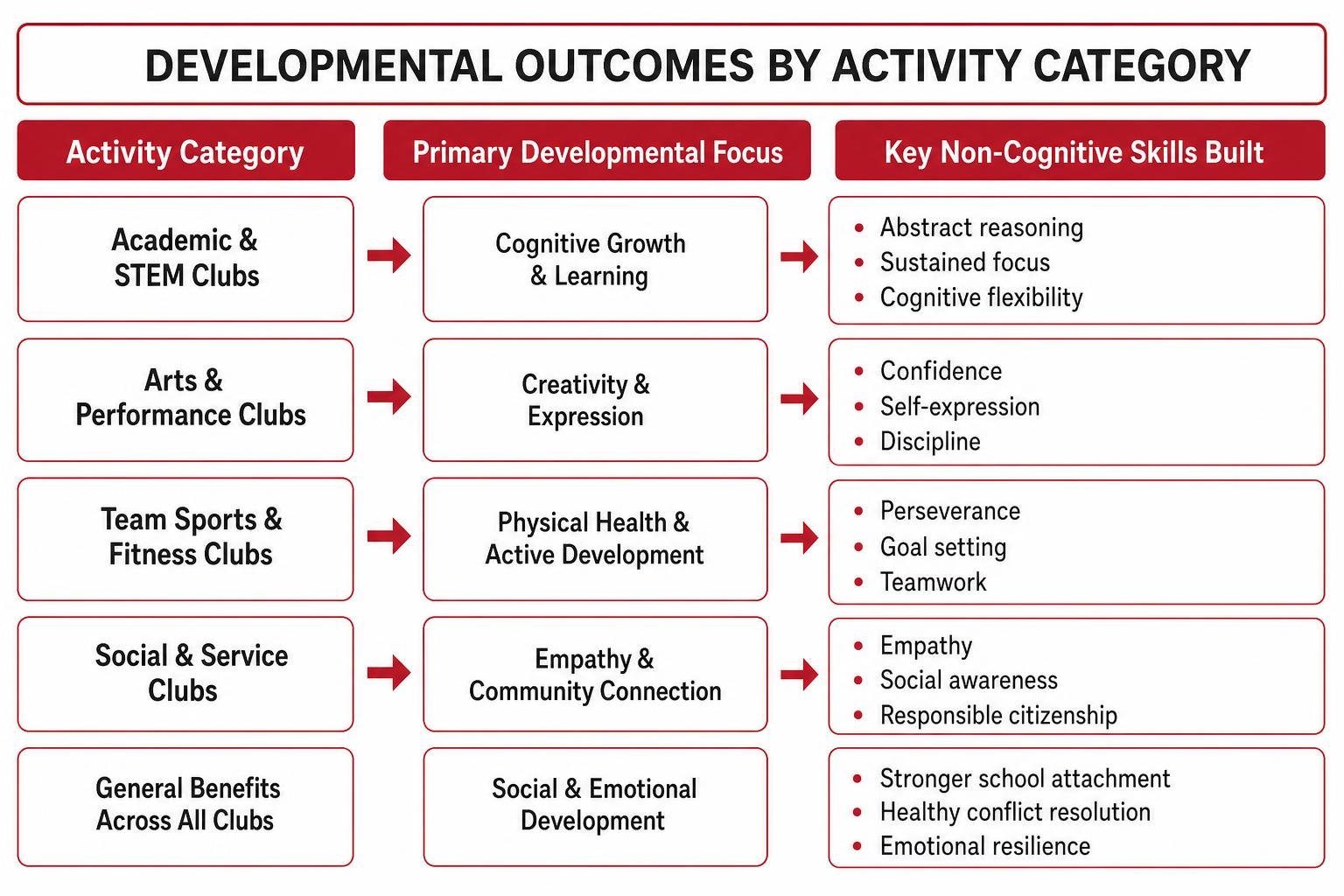
Extracurricular activities provide low-stakes settings where young learners develop an internal locus of control. When children tackle a complex robotics challenge or rehearse lines for a stage production, they practice abstract reasoning, sustained focus, and cognitive flexibility—skills that transfer back to standardized tests and everyday classroom assignments.
Social and Emotional Benefits of Extracurricular Activities for Elementary Students
Emotional well-being and social connection are foundational to how elementary students perceive school. Data indicates that 89% of parents agree after-school programs support their children’s emotional and social health, while 81% of program providers observe significant off-screen socio-emotional development.
Extracurricular clubs create a vital sense of school attachment. Research shows that 83% of participating elementary students report a strong attachment to their school community, compared to just 49% of non-participating peers. Furthermore, participating students develop healthy conflict-resolution skills: 86% respond calmly and non-aggressively when provoked by peers, compared to 66% of uninvolved students.
Clinical insights on child health and social habits emphasize that activities between ages five and thirteen cultivate positive peer relationships and long-term self-esteem. Connecting with supportive adult coaches and club advisors outside the immediate home offers children alternative positive role models, which dramatically lowers risky behaviors and strengthens emotional resilience.
Physical Health and Active Lifestyle Foundations

Physical activity is essential for developing bodies and minds. Pediatric health guidelines recommend that elementary-aged children receive at least 60 minutes of moderate-to-vigorous aerobic exercise daily. Structured sports and movement clubs provide an engaging framework to meet this goal.
Regular engagement in school athletics and physical fitness programs:
- Builds gross motor coordination, bone density, and cardiovascular endurance.
- Prevents chronic childhood conditions, including elevated blood pressure, metabolic disorders, and obesity.
- Enhances nighttime sleep architecture, leading to deeper restorative sleep and better daytime mood regulation.
- Significantly lowers recreational screen time, which directly correlates with reduced rates of anxiety and depression in tech-savvy youth.
Top Extracurricular Categories and Their Unique Developmental Impacts
Every child possesses distinct curiosities, learning styles, and emerging talents. Providing a diverse spectrum of after-school offerings allows students to discover their passions in a supportive environment.
Academic Clubs and STEM Competitions
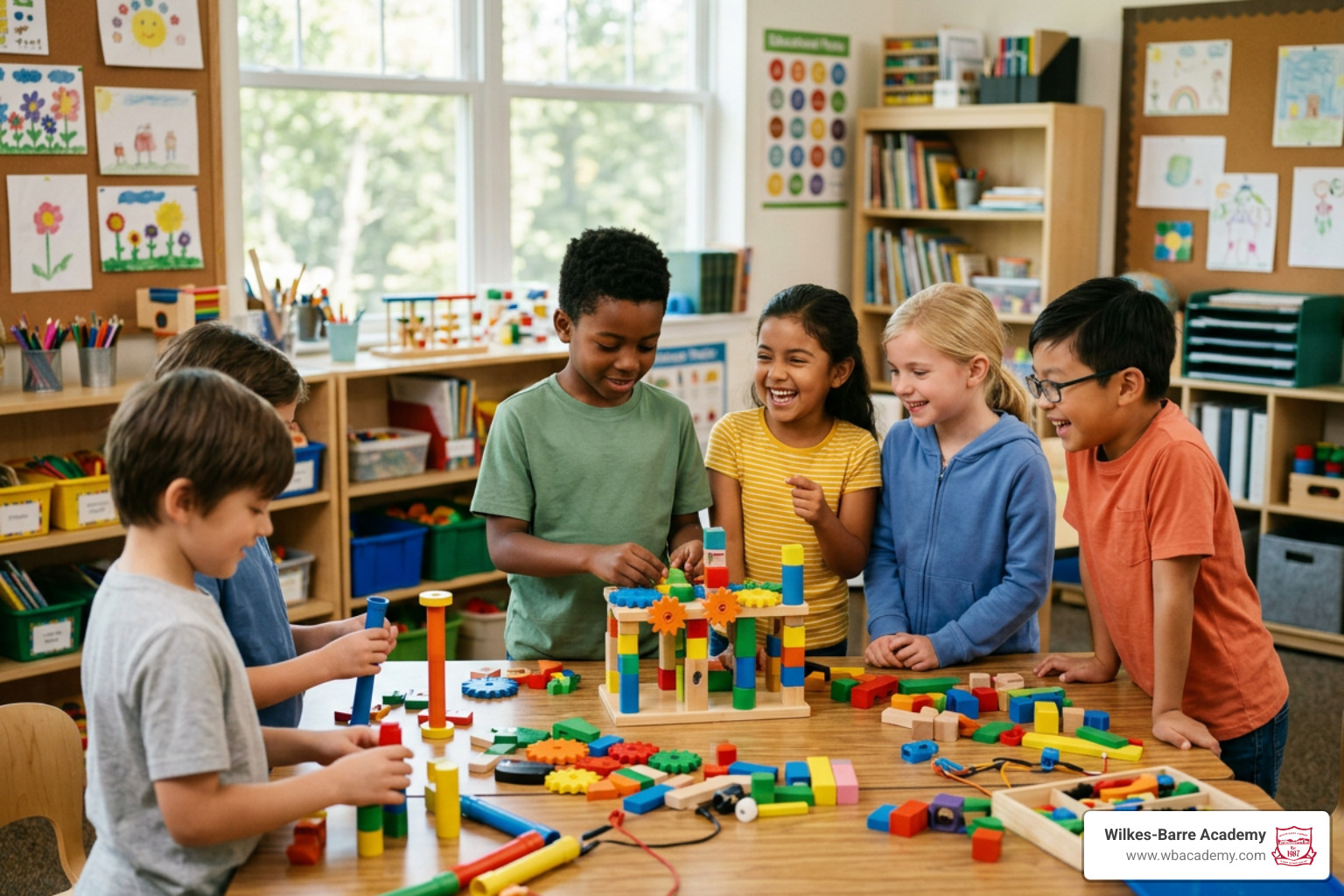
Structured academic clubs transform textbook concepts into hands-on problem-solving experiences. Elementary students engaged in academic activities and competitions develop robust critical thinking and quantitative reasoning skills.
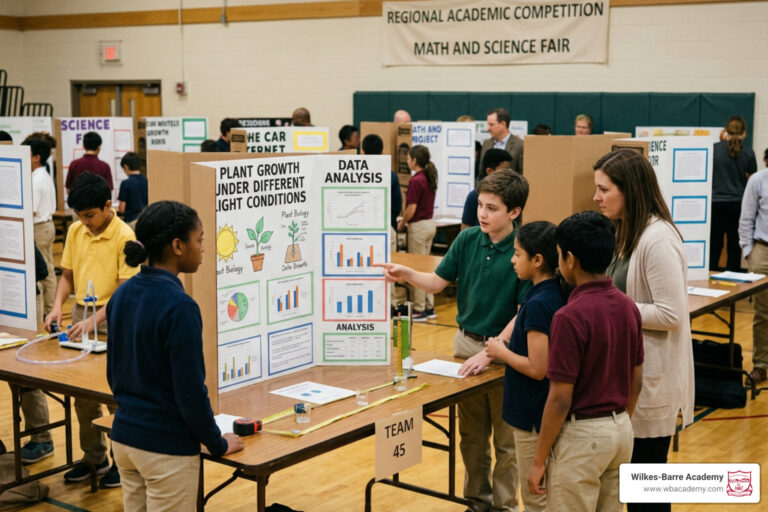
Whether designing an experiment for local science fair competitions or collaborating in a rigorous science olympiad team, students learn how to formulate hypotheses, analyze experimental errors, and present complex findings with clarity and poise.
Performing and Visual Arts Programs
Creative expression plays a profound role in childhood psychological development. Academic studies examining the impact of integrating arts in youth education demonstrate that interdisciplinary creative programs combining music, visual arts, and theater enhance children’s non-verbal abstract reasoning and directly boost math and reading scores.
Enrolling in dedicated performing arts programs or taking weekly music lessons offers children a healthy outlet for emotional processing, strengthens fine motor dexterity, and builds confident public speaking abilities that serve them throughout their academic lives.
Athletics, Outdoor Education, and Movement
Team sports, martial arts, and outdoor exploration teach elementary students how to navigate both victory and setback. Through physical games, children learn that setbacks are natural learning opportunities rather than permanent failures.
Immersive outdoor programs, such as our seasonal trip to Bear Creek Camp outdoor education, integrate environmental science with physical movement. Students build resilience, gross motor coordination, and cooperative teamwork while exploring natural ecosystems.
Leadership, Scouting, and Community Service Initiatives
Service-oriented and leadership clubs instill a strong sense of civic duty and community empathy from an early age. Participating in an active elementary student council allows young learners to practice parliamentary procedures, debate school initiatives, and advocate for their peers.
Similarly, pairing older elementary learners with younger students through peer tutoring programs and participating in community awareness projects or structured community service projects teaches children the value of self-sacrifice, generosity, and active citizenship.
Balancing Schedules: Avoiding Overscheduling While Maximizing Growth

While the developmental advantages of extracurricular involvement are undeniable, more is not always better. The goal of after-school enrichment is to complement a child’s education, not overwhelm their daily life.
Enrolling in structured before and after school care programs that incorporate both activity periods and quiet study sessions helps families maintain a balanced rhythm between academic enrichment and necessary downtime.
Spotting the Signs of Schedule Burnout in Young Learners
Overscheduling occurs when a child’s calendar leaves no room for restorative rest, creative free play, or unhurried family connection. When children are pushed into too many intensive commitments, they experience diminishing returns and acute stress.
Parents and educators should watch for clear warning signs of schedule fatigue:
- Chronic physical exhaustion, difficulty waking up, or falling below the recommended 8 to 10 hours of sleep per night.
- Sudden drops in academic engagement or incomplete homework assignments.
- Increased irritability, tearfulness, or anxiety before attending previously enjoyed activities.
- Physical complaints without medical cause, such as frequent tension headaches or stomachaches.
- A feeling of superficial participation where the child feels rushed from one event to the next without achieving true mastery or enjoyment.
The Role of Parents and Educators in Fostering Balanced Routines
Maintaining a healthy school-life balance requires proactive collaboration between parents, teachers, and activity directors.
- Implement Visual Scheduling: Maintain a simple, color-coded weekly calendar at home so children can visually anticipate their commitments, homework windows, and free-play blocks.
- Protect Unstructured Play: Ensure that children have dedicated time every week reserved strictly for self-directed play, reading, or family relaxation.
- Prioritize Depth Over Breadth: Encourage your child to focus on one or two activities they genuinely love rather than sampling five different programs superficially.
- Follow the Child’s Natural Interests: Support activities that align with your child’s innate curiosities rather than projecting adult ambitions onto their schedule.
- Maintain Open Dialogue: Regularly check in with your child about how they feel about their commitments. If an activity consistently creates anxiety rather than joy, adjust their schedule accordingly.
Addressing Equity and Long-Term Developmental Outcomes
Participation in structured after-school activities has a lasting impact on a child’s educational trajectory, shaping their academic mindset well into adolescence and adulthood.
Longitudinal research on causal student outcomes indicates that extracurricular involvement in elementary school creates positive academic effects that compound and expand significantly through eighth grade. Furthermore, students who participate in organized activities at least two days per week show an 18% reduction in alcohol experimentation, a 39% reduction in marijuana use, and a 28% decrease in unexcused school absences during later adolescence.
Bridging Socioeconomic Gaps in Activity Access
A comprehensive analysis of public education data reveals that while nearly all schools offer some extracurricular options (99.8% availability), individual socioeconomic barriers frequently restrict student participation. High socioeconomic status (SES) students participate at rates near 87%, whereas lower SES students average roughly 73% to 75% participation.
Closing these participation gaps requires intentional community and school solutions:
- Transparent Fee Structures: Eliminating hidden costs for uniforms, equipment, and competition travel.
- On-Site Programming: Hosting activities directly on school grounds immediately following dismissal to eliminate family transportation hurdles.
- Community Partnerships: Collaborating with local civic foundations and non-profit organizations to offer need-based fee waivers and shared equipment libraries.
Long-Term Pathways to Middle School and College Readiness
Early extracurricular engagement builds habits that support long-term academic persistence. Two-thirds (68.2%) of students who participate in extracurricular activities expect to earn a bachelor’s degree or higher, compared to fewer than half (48.2%) of non-participating peers.
By learning how to manage deadlines, collaborate with diverse teammates, accept constructive feedback from adult mentors, and persist through setbacks during elementary school, children build the executive functioning and social maturity required to thrive in rigorous middle school curricula, advanced high school coursework, and postsecondary education.
Frequently Asked Questions About Elementary Extracurriculars
What age should elementary students begin organized after-school activities?
Most children develop the sustained attention span, emotional regulation, and group listening skills needed for organized extracurriculars around age five (kindergarten). For younger elementary students, programs should emphasize play-based exploration, teamwork, and fun rather than intense competition or rigid specialization.
How many extracurricular activities should an elementary child participate in per week?
For most elementary students, participating in one to two activities per week—totaling two to four hours of structured after-school commitment—provides an optimal balance. This allows children to experience the developmental benefits of organized clubs while preserving adequate time for daily homework, unhurried family dinners, and at least 8 to 10 hours of nightly sleep.
What should parents look for when choosing an after-school program?
When evaluating an extracurricular program for your child, look for:
- Low student-to-instructor ratios that ensure individualized attention, safety, and mentorship.
- Qualified, background-checked instructors who use positive reinforcement and supportive coaching methods.
- Clear safety protocols and well-maintained physical facilities.
- An environment that encourages curiosity, skill mastery, and good sportsmanship rather than intense pressure to win.
Conclusion
A rich elementary education extends far beyond standard textbooks and lectures. Providing children with access to a balanced selection of sports, creative arts, STEM challenges, and community service projects nurtures the intellectual curiosity, emotional resilience, and social competencies they need to thrive.
At Wilkes-Barre Academy, our single-location K-8 campus in Luzerne County is dedicated to providing an academically advanced curriculum paired with individualized learning. With our single classroom per grade model, close-knit school community, and strong family-school partnerships, we ensure that every student receives the personal encouragement and mentorship needed to explore their passions.
Discover our full range of enriching extracurricular activities and see how our dynamic programs help young learners unlock their full potential both inside and outside the classroom.