Students Helping Students with PA Peer Tutoring Programs
Why Peer Tutoring Programs in PA Schools Are Worth Knowing About
A peer tutoring program school setting in PA gives students a chance to get real academic help — from someone who just learned the same material themselves.
Quick answer: What is a peer tutoring program in a Pennsylvania school?
- A peer tutoring program pairs stronger students with those who need extra help in a subject
- Tutors are usually older or higher-achieving students trained to explain concepts in a relatable way
- Programs run in-person, online, or both — depending on the school
- Students can participate as a tutor, a tutee, or both
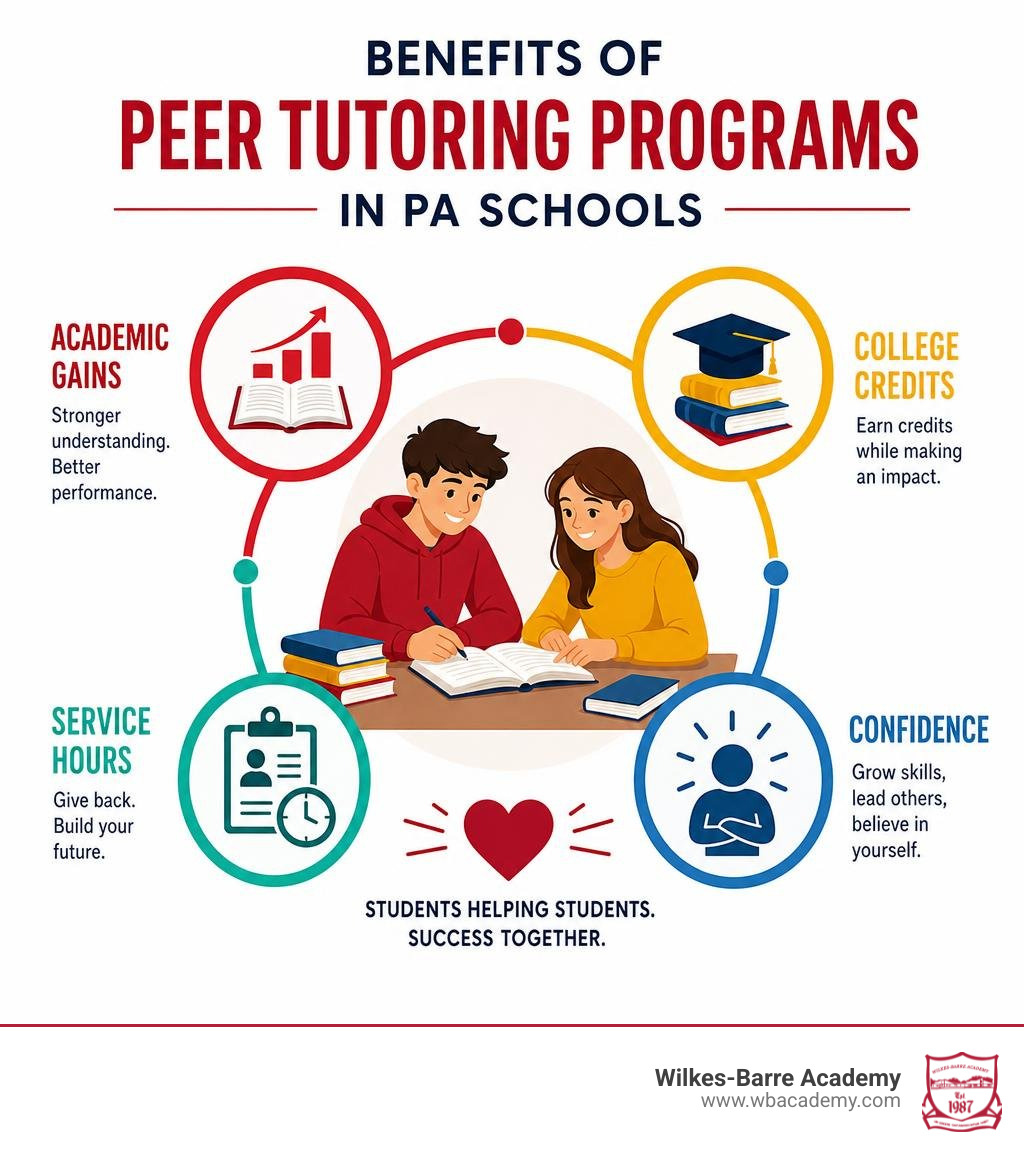
- Benefits include better grades, college credits, service hours, and leadership experience
Pennsylvania schools offer a wide range of these programs — from informal classroom clubs to university-partnered initiatives that award real college credits.
For busy parents who want their child to get more than a one-size-fits-all education, peer tutoring can fill gaps that traditional classroom instruction misses. Research consistently shows it boosts academic performance, builds confidence, and strengthens communication skills — for both the student giving and receiving help.
Whether your child needs extra support in math or is ready to step up as a student leader, Pennsylvania’s peer tutoring landscape has options worth exploring.
Peer tutoring program school pa terms to remember:
What is a Peer Tutoring Program and How Does It Work in Pennsylvania?
At its core, a peer tutoring program is an organized system where students help other students succeed academically. In Pennsylvania, these programs take many different shapes depending on the grade level, school resources, and local community needs.
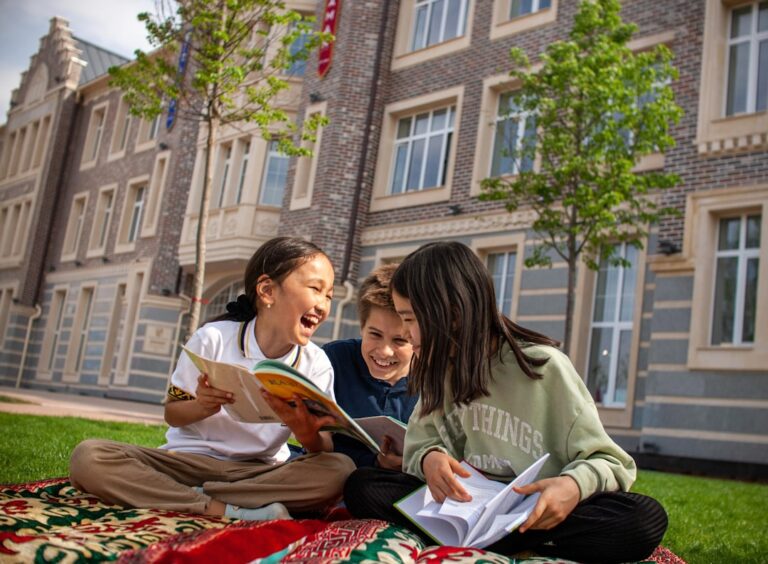
Instead of a teacher standing at a whiteboard lecturing twenty-five students, peer tutoring relies on one-on-one or small-group interactions. A student who has already mastered a concept sits down with a peer who is currently struggling with it.

In many Pennsylvania schools, peer tutoring is integrated directly into the academic day or offered immediately after school. For example, some high schools run their programs through dedicated resource centers where students can drop in during study halls. Others structure peer tutoring as an elective course or an independent study class, allowing tutors to earn academic credit for their service.
Programs like Canon-McMillan High School’s Peer Tutoring Program show how structured these initiatives can be. In these models, students request a tutor using an online form, selecting the specific periods they are free. They are then matched with a qualified peer tutor who helps them work through difficult homework assignments, prepare for upcoming exams, and develop stronger study habits.
This model of peer-to-peer instruction is designed to complement, not replace, classroom teaching. It provides a comfortable, low-pressure environment where students feel safe asking “silly” questions they might be too embarrassed to ask in front of a full classroom. This targeted support is a key pillar of comprehensive Academics because it ensures no student falls behind while giving high-achieving students a practical way to apply their knowledge.
How a Peer Tutoring Program School PA Model Benefits Tutors
It is easy to see how the student receiving help benefits from a peer tutoring program, but the advantages for the student tutor are often even greater. Teaching someone else is one of the most effective ways to solidify your own understanding of a subject. This process requires deep cognitive processing, often referred to as metacognition—the ability to think about how we think and learn.
When a student acts as a tutor, they must break down complex ideas into simple, digestible steps. They have to identify where their peer is getting stuck, adapt their explanation on the fly, and ask guiding questions rather than simply giving away the answers. This builds exceptional communication, patience, and empathy.
Beyond academic reinforcement, serving as a tutor is an excellent way to build real-world leadership skills. Tutors learn how to manage time, set goals, and build professional relationships with both their peers and supervising teachers. Many Pennsylvania schools recognize this immense value by formalizing these roles. Participating in Peer Tutoring can earn students valuable service hours, leadership credentials for college applications, and a deeper sense of civic responsibility within their school community.
Finding a Peer Tutoring Program School PA for Younger Students
While many high schools have well-established peer tutoring networks, finding these opportunities for elementary and middle school students requires looking at different program structures. For younger learners, peer tutoring is highly effective for navigating key academic transitions, such as moving from elementary to middle school, or mastering foundational skills like long division and reading comprehension.
In Pennsylvania, some public school districts and community organizations bridge this gap by utilizing older volunteers. A prime example is the V.I.P.S Tutoring Center, which has served K-12 students in the State College Area School District since 1999. In this model, tutoring is provided by volunteer university students (such as those from Penn State’s College of Education and honors programs) who commit to weekly, one-hour sessions with younger students.
These structured environments give younger children a positive academic role model. Because the tutors are closer to their age than classroom teachers or parents, younger students often feel more motivated to complete their work and less anxious about making mistakes. This regular, focused attention helps build long-term academic confidence and essential study habits during their formative years.
Choosing the Right Peer Tutoring Program School PA Options
If you are looking to get your child involved in peer tutoring—either as a tutor or a learner—it is important to understand the different options available across Pennsylvania. Programs vary widely in their delivery methods, scheduling commitments, and academic focus.

Many schools host student-led clubs that focus on academic support. For example, the North Penn ACADEMIC DISCUSSION and Peer Tutoring Club (known as ADAPT) operates as a free, student-run club where peers help each other in any subject, including advanced AP courses. This model emphasizes that learning is a community effort, and it is common for a student to act as a tutor in one subject while receiving help in another.
When evaluating these programs, parents should consider whether an in-person, virtual, or hybrid format is best for their family’s schedule. While in-person sessions offer valuable face-to-face connection, virtual programs provide incredible flexibility for busy families balancing sports, music, and other commitments. Exploring these options is a great way to see Why Private School Extracurriculars in PA Are a Total Game Changer because private and independent schools often have the flexibility to tailor these programs to the exact needs of their close-knit student bodies.
Traditional School-Based Programs vs. University Partnerships
To help you decide which path is right for your child, it is helpful to compare traditional school-based clubs with more formal university-partnered initiatives.
| Feature | Traditional School-Based Programs | University-Partnered Programs (e.g., Penn GSE & Thinkist) |
|---|---|---|
| Primary Location | On-campus (library, cafeteria, or classrooms) | Virtual platforms or designated university centers |
| Who Tutors? | High school students (typically grades 10-12) | Trained high schoolers or university students |
| Cost to Families | Free | Often free if grant-funded; some specialized programs have fees |
| Tutor Benefits | High school credit, service hours, club leadership | Up to 8 undergraduate college credits, professional certificates |
| Structure | Flexible, often drop-in or scheduled weekly | Highly structured, multi-week commitments with formal training |
A notable example of a university partnership is the collaboration between the Penn Graduate School of Education (Penn GSE) and Thinkist. Funded by a four-year, $2.2 million Rural Postsecondary and Economic Development grant from the U.S. Department of Education, this initiative is designed to boost college readiness and academic success for students in rural Pennsylvania.
Students who participate in the Peer Tutor Training Program | Penn GSE complete rigorous, college-level coursework like Foundations of Professional Tutoring and Becoming an Educational Professional. High schoolers who successfully complete these courses through Peer Tutor Training For Ivy League Credits | Thinkist can earn up to 8 undergraduate credits from the University of Pennsylvania, along with a formal peer tutoring certificate. This represents a massive leap from traditional high school clubs, offering ambitious students a head start on their college careers while they provide vital academic support to younger learners.
Requirements and Benefits for Student Tutors
Becoming a peer tutor is a selective process in most Pennsylvania schools. Because tutors represent the school and are trusted to guide their peers, administrators maintain clear academic and behavioral standards.
To qualify as a tutor, students typically must meet the following criteria:
- Academic Standing: Maintain an unweighted GPA of 3.0 or higher.
- Subject Mastery: Earn an A or B in the specific courses they plan to tutor.
- Recommendations: Secure official recommendations from their school counselor and the classroom teacher of the subject they wish to tutor.
- Personal Qualities: Demonstrate strong communication skills, patience, reliability, and metacognive awareness (the ability to explain how to solve a problem, not just provide the answer).
Schools like those participating in the Peer Tutoring – Upper St. Clair High School program emphasize these strict requirements to ensure that the tutoring provided is of the highest quality.
In exchange for meeting these standards, student tutors receive substantial benefits. Many programs allow tutors to accumulate community service hours required for graduation or National Honor Society membership. In other schools, peer tutoring is structured as an independent study class, giving students regular course credit that boosts their GPA. These opportunities are a vital part of well-rounded Student Activities, helping students build competitive profiles for college admissions while making a tangible, positive impact on their school community.
Frequently Asked Questions about PA Peer Tutoring
Are there costs associated with peer tutoring programs in Pennsylvania?
Generally, no. The vast majority of peer tutoring programs operated directly by Pennsylvania public and private schools are completely free for both the tutors and the students receiving help. These programs are typically funded through local school budgets or state education grants.
For example, statewide organizations like the Peer Tutoring Program – Pennsylvania Council of Teachers of Mathematics promote free, accessible peer support networks. Additionally, large-scale initiatives like the Penn GSE/Thinkist partnership are entirely free for participants because they are backed by federal grants, such as the $2.2 million Rural Postsecondary and Economic Development grant.
Even in adult education, Pennsylvania prioritizes state funding for tutoring. Under Pennsylvania Act 143 of 1986, at least 20 percent of the annual state appropriation for adult basic education must be used to train volunteer instructors, and at least 75 percent of Tutoring Program for Adults grant funds must go directly toward the recruitment, training, supervision, and management of these volunteer tutors. This ensures that high-quality, free academic support is accessible to learners of all ages across the Commonwealth.
What subjects are typically covered in school peer tutoring?
Peer tutoring programs cover a broad spectrum of academic subjects, with a primary focus on core graduation requirements. Mathematics is by far the most requested subject, ranging from middle school pre-algebra up to advanced high school calculus.
Other commonly covered areas include:
- English Language Arts: Reading comprehension, essay writing, grammar, and literature analysis.
- Sciences: Biology, chemistry, physics, and environmental science.
- Social Studies: U.S. history, world history, and civics.
- World Languages: Spanish, French, German, and Latin.
- Advanced Placement (AP) Courses: Specialized peer support for students tackling rigorous college-level exams.
How do schools recruit and train peer tutors?
Schools recruit tutors through teacher recommendations, counselor outreach, and student-led club fairs. Once selected, tutors do not simply jump into teaching; they must undergo structured training to ensure they are effective.
Tutor training typically covers:
- Active Listening: Learning how to hear what a student is struggling with without interrupting.
- Socratic Questioning: Asking open-ended questions that guide the learner to find the answer themselves, rather than giving it away.
- Patience and Empathy: Understanding that learning styles differ and that a concept that is easy for one person may be incredibly challenging for another.
- Supervision and Compliance: Working under the close supervision of certified teachers or program coordinators to track student progress and ensure a safe, productive learning environment.
Conclusion
Peer tutoring programs in Pennsylvania represent a powerful, collaborative approach to education. By pairing students who excel in specific subjects with peers who need a helping hand, these programs foster academic growth, build essential leadership skills, and create supportive school communities.
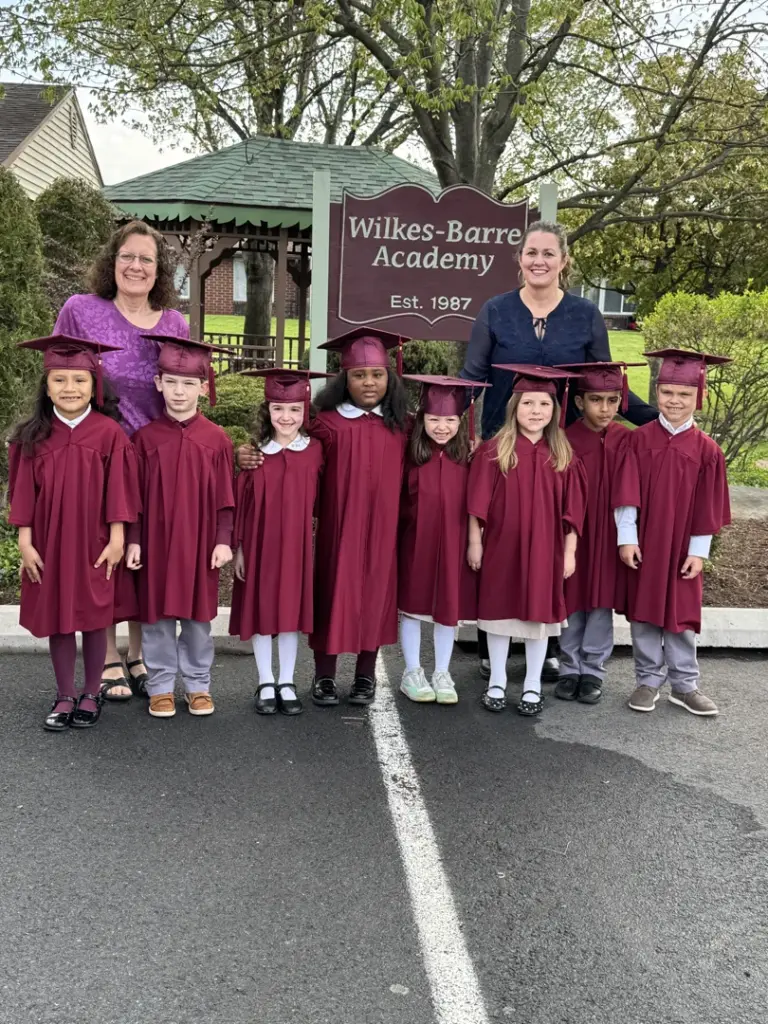
At Wilkes-Barre Academy, we understand the immense value of personalized, community-focused learning. As a private, non-profit K-8 school in Luzerne County, PA, we pride ourselves on our single classroom per grade structure. This design allows our dedicated teachers to build deep, individualized connections with every student, ensuring they receive the exact academic and social support they need to thrive.
Our close-knit, diverse community is built on strong family-school partnerships, making our campus a warm and engaging environment for young learners. By emphasizing both rigorous academics and a vibrant array of Extracurricular Activities, we prepare our students to become confident, compassionate leaders who are always ready to help their peers succeed.