Non Profit Preschool Options: Affordable Guide 101
How to Compare Non Profit Preschool Options
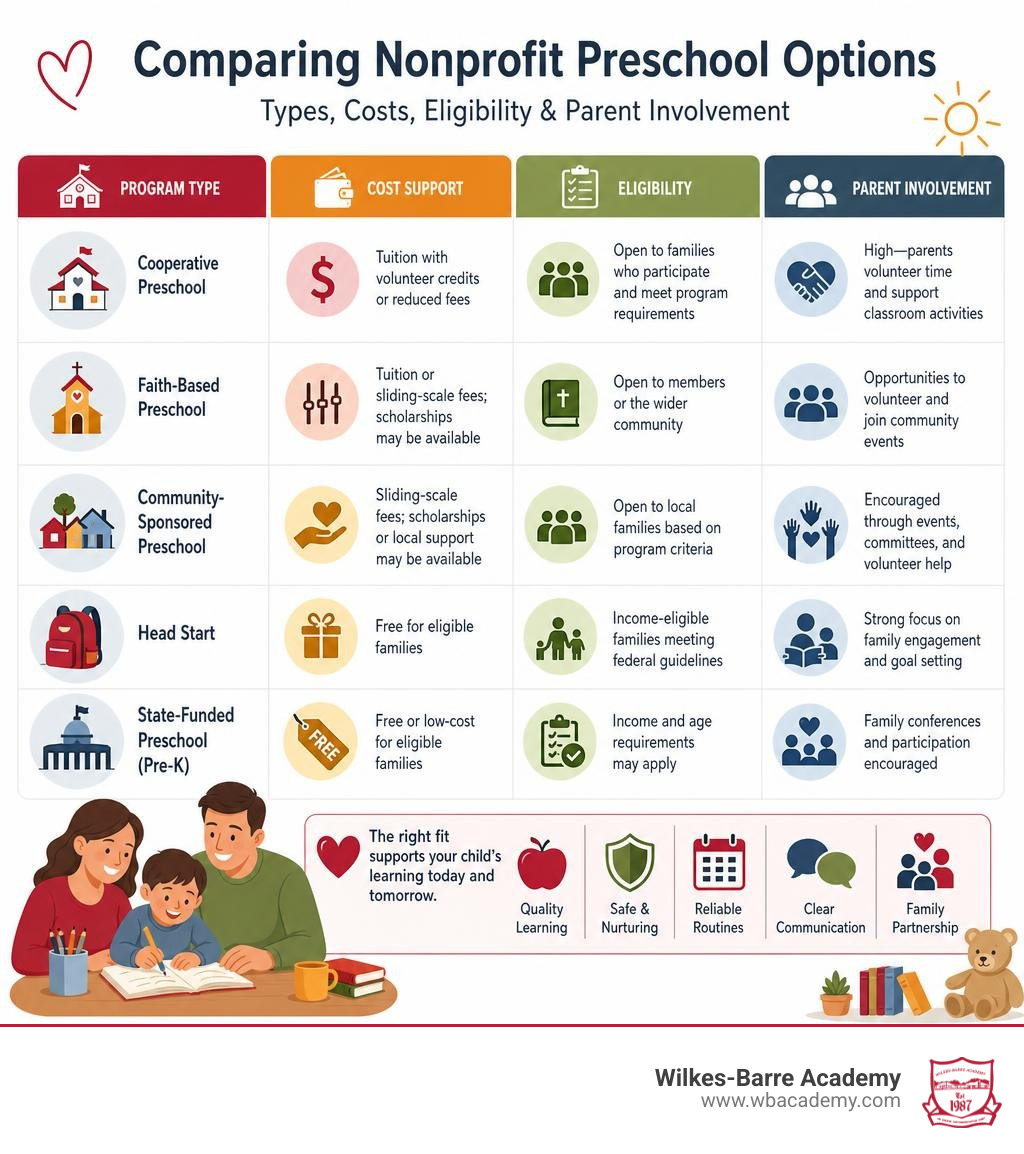
The best non profit preschool options match your child’s needs, your schedule, and your budget. Start by comparing these four basics:
- Program type: Look at cooperative, faith-based, community-sponsored, Head Start, and state-funded preschool programs.
- Cost support: Ask about tuition, sliding-scale fees, scholarships, subsidy vouchers, and free-program eligibility.
- Learning approach: Choose a setting with a clear curriculum, whether it is play-based, Reggio Emilia-inspired, HighScope, or more structured kindergarten preparation.
- Quality and fit: Tour the school, confirm licensing and safety practices, ask about teacher qualifications and ratios, and see how families are included.
Nonprofit does not always mean free. It usually means the program reinvests its resources into its mission, staff, classrooms, and family support rather than paying owners or shareholders. Some programs offer part-day care at a lower tuition rate, while Head Start and state preschool programs may be free or subsidized for families who meet income or other eligibility rules.
For busy families, the right choice is often the one that combines caring teachers, clear home-school communication, safe routines, and learning that helps children build confidence before kindergarten.
Non profit preschool options glossary:
Types of Non Profit Preschool Options for Growing Families
Navigating early childhood education can feel overwhelming when balancing schedules, developmental goals, and household budgets. Selecting the right setting begins with understanding how mission-driven institutions organize their classrooms, leadership, and funding. Unlike commercial childcare chains that answer to corporate investors, nonprofit early learning providers channel every dollar back into educational resources, staff retention, and community support.
| Feature | Non-Profit Preschools | For-Profit Childcare Centers |
|---|---|---|
| Primary Mission | Child development, educational readiness, community service | Business profitability and shareholder returns |
| Financial Reinvestment | All tuition and grants fund classroom supplies, teachers, and facilities | Profits distributed to business owners or corporate parents |
| Tuition & Assistance | Sliding-scale tiers, community scholarships, state/federal subsidies | Market-rate tuition pricing with limited internal aid |
| Governance Structure | Board of Directors, parent committees, community trustees | Corporate managers or individual business owners |
| Family Involvement | High parent engagement via co-ops, committees, and events | Standard customer-to-service-provider interaction |
Parent Cooperative Preschools
A parent cooperative preschool offers a deeply connected, collaborative approach to early childhood education. In this model, professional educators lead daily lessons and design curriculum benchmarks, while enrolled families actively participate in school operations and classroom support.
Parents often handle tasks such as preparing craft materials, assisting during snack times, managing facility maintenance, or serving on the school’s governing board. This structure reduces overhead expenses, which keeps monthly tuition significantly lower than traditional options. Many cooperatives adopt a flexible parent cooperative model that includes buyout policies, allowing working parents who cannot commit to regular volunteer hours to pay a modest hourly fee instead. This approach fosters strong family bonds and creates a supportive network where parents and teachers work hand in hand.
Faith-Based and Community-Sponsored Programs
Faith-based and community-sponsored preschools represent a substantial portion of mission-focused early learning. Typically hosted within local places of worship, civic community centers, or independent non-profit academies, these centers prioritize character development, empathy, and social-emotional growth alongside foundational academics.
Many families are pleased to learn that most faith-sponsored preschools maintain open, inclusive admissions policies that welcome children from all cultural and religious backgrounds. Rather than imposing rigid doctrinal instruction, these classrooms emphasize shared values such as kindness, sharing, integrity, and respect. Parents seeking practical local guidance can explore the complete guide to local preschools in Wilkes-Barre to see how community-based models balance structured schedules, part-day programs, and extended enrichment hours.
Government-Subsidized and Head Start Models
Federally funded initiatives like Head Start and Early Head Start provide no-cost, comprehensive early education to qualifying families with children from birth to age five. These programs combine classroom instruction with vital wraparound services, including developmental screenings, nutritious meals, speech therapy referrals, and family healthcare coordination.
Eligibility for Head Start programs is primarily determined by federal poverty guidelines, though categorical eligibility extends to foster children, families experiencing housing transitions, and households receiving public assistance programs such as Supplemental Nutrition Assistance Program (SNAP), Temporary Assistance for Needy Families (TANF), or Supplemental Security Income (SSI). State-funded preschool expansion programs also collaborate with local public school systems and Title I schools to ensure children enter kindergarten with foundational academic and social skills.
Evaluating Curriculum and Quality Across Non Profit Early Learning Settings
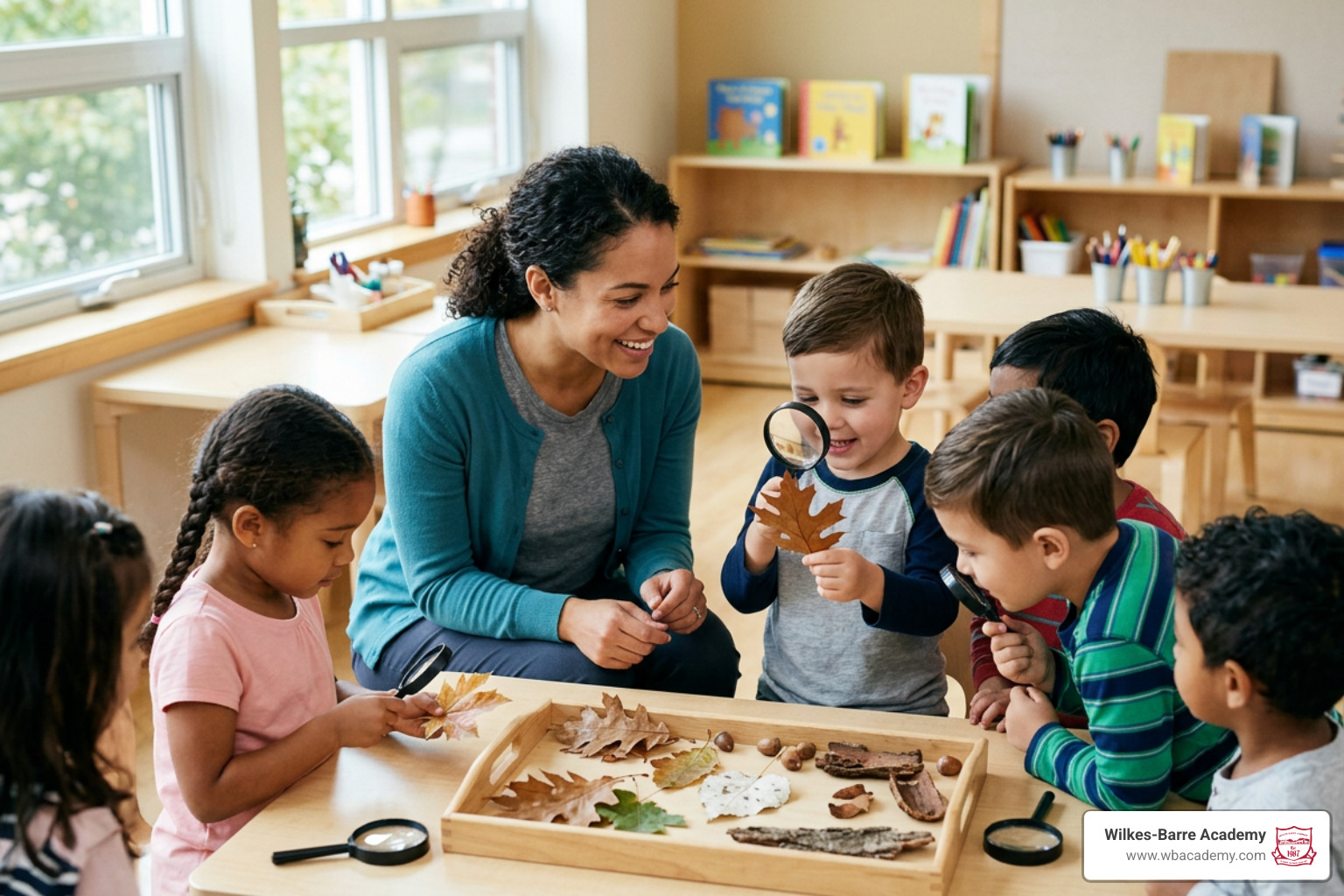
When touring potential early learning centers, looking past classroom decor to examine teaching methodologies helps parents find a setting that nurtures curiosity, emotional resilience, and lifelong academic confidence. Families can use resources on finding the best preschool in Wilkes-Barre without losing your mind to evaluate how classroom pacing and individualized instruction suit their child’s personality.
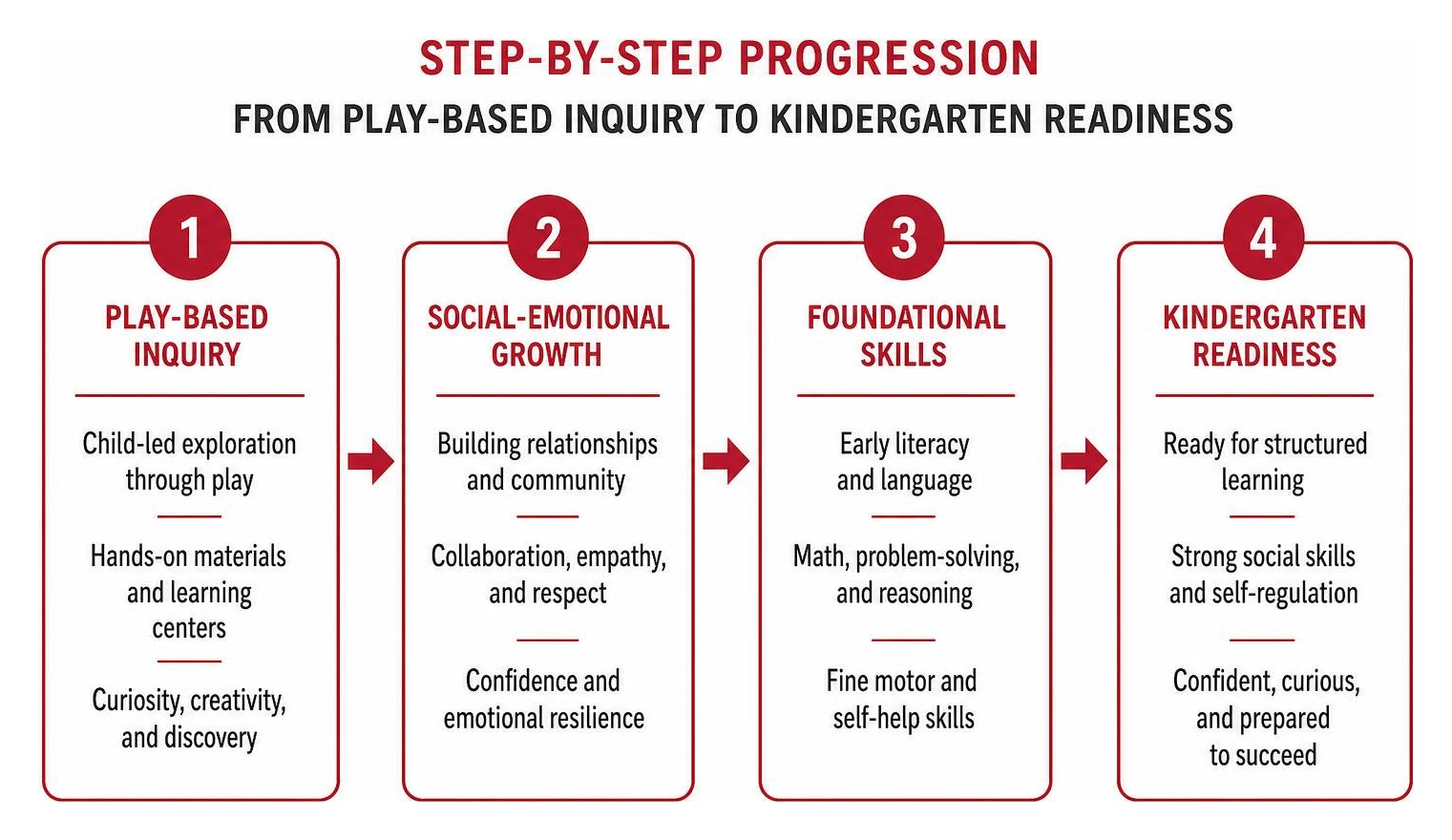
Play-Based and Reggio Emilia Approaches in Non Profit Preschool Options
Many mission-focused early childhood programs emphasize child-led, inquiry-based frameworks rather than passive worksheets. Two prominent models in non-profit settings are play-based learning and the Reggio Emilia approach.
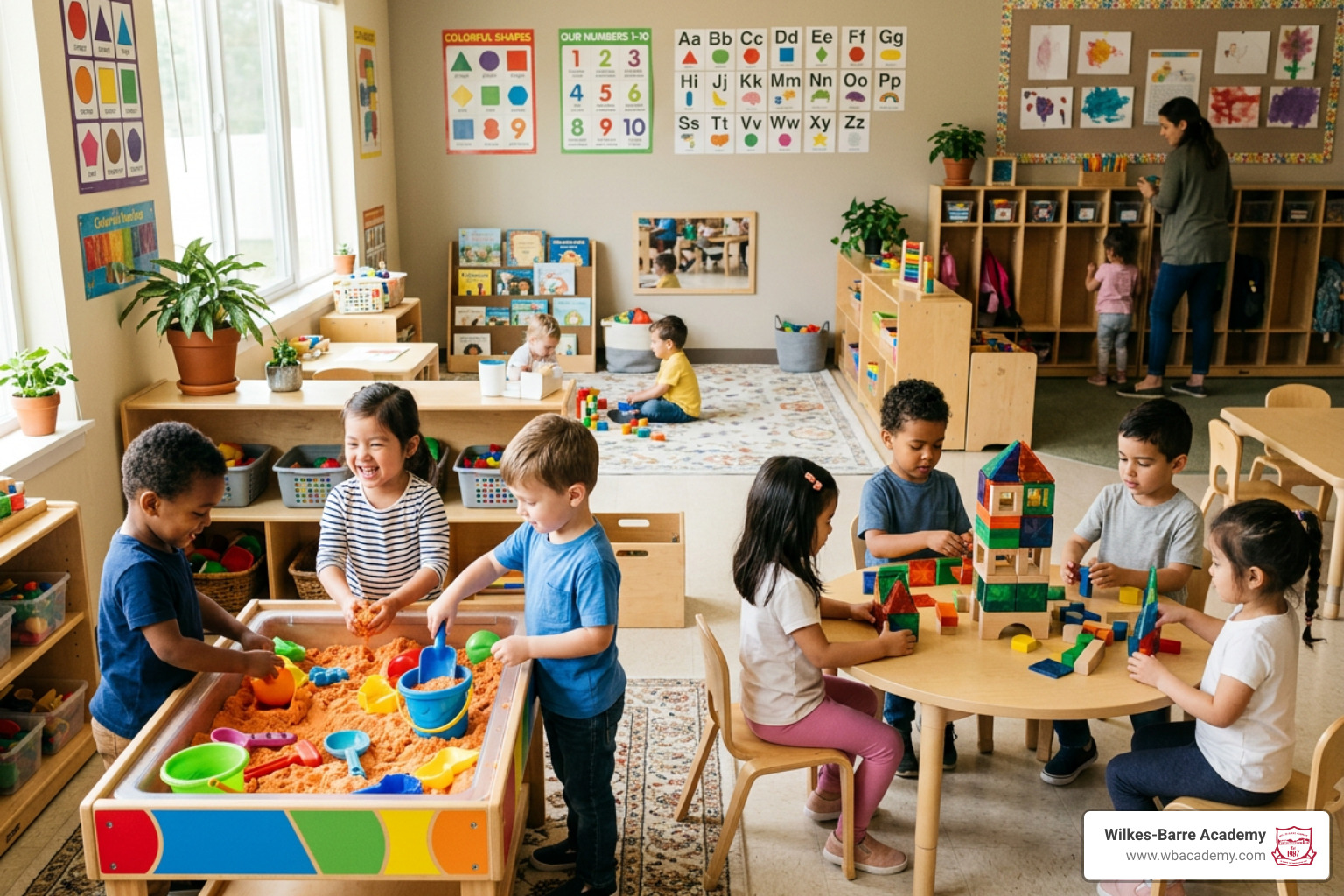
In a play-based environment, such as those utilizing the research-backed HighScope curriculum, teachers create intentional learning stations where children build early math, spatial awareness, and fine motor control through hands-on materials, blocks, sensory bins, and storytelling.
Similarly, Reggio Emilia-inspired learning treats the child as an active co-creator of knowledge. The classroom environment functions as a “third teacher,” encouraging children to investigate natural phenomena, ask questions, and express their ideas through visual arts, construction, drama, and scientific exploration. These methods build strong cognitive pathways, improve communication skills, and foster a genuine enthusiasm for learning.
Academic Foundations and Kindergarten Readiness Benchmarks
A high-quality preschool bridges imaginative exploration with the core readiness skills required for elementary school success. Research demonstrates that high-quality non-profit early childhood programs help more than 80% of participating three- and four-year-olds meet or exceed kindergarten readiness benchmarks across key developmental areas:
- Phonemic Awareness & Pre-Literacy: Recognizing letter sounds through multi-sensory manipulatives, rhyme games, and print-rich classroom libraries.
- Early Numeracy & Logic: Classifying objects by shape and size, one-to-one counting, pattern identification, and spatial problem-solving.
- Social & Emotional Self-Regulation: Utilizing frameworks like Conscious Discipline to identify feelings, resolve peer conflicts calmly, and follow classroom routines.
- Gross & Fine Motor Skills: Mastering pencil grips, scissor cutting, balance, hand-eye coordination, and outdoor physical play.
For families considering long-term educational paths, understanding how Pennsylvania non-profit private schools explained shows how early literacy and math foundations connect directly to elementary achievement in a close-knit academic community.
Understanding Costs, Tuition Assistance, and Licensing Standards
Understanding early childhood education costs helps families plan effectively. Nonprofit preschools maintain transparent budget structures because their revenues support operating costs, instructional supplies, facility upkeep, and staff compensation.
Sliding-Scale Fees and Financial Aid Structures in Non Profit Preschool Options
Tuition rates across non-profit preschools vary based on daily schedules, child age, and program format:
- Half-Day Community/Co-op Programs: Frequently range from $150 to $450 per month for part-time schedules (two to three mornings per week).
- Full-Day Non-Profit Learning Centers: Often range from $500 to $950 per month, remaining lower than corporate commercial chains.
- Registration & Supply Fees: Modest annual fees (often between $50 and $150) that cover art materials, snacks, and classroom resources.
To make quality care accessible, many nonprofit institutions offer sliding-scale tuition based on verified household income, sibling discounts, and community scholarship funds. Exploring options for financial aid for PA private schools can help parents identify assistance programs, tax credits, and local grant funds to offset tuition costs.
Teacher Qualifications, Health Guidelines, and License Compliance
Safety, hygiene, and teacher expertise form the foundation of any reputable early learning center. Licensed non-profit preschools adhere to strict state regulatory standards:
- Staff Background Clearances: Comprehensive state and federal criminal history checks, child abuse clearances, and FBI fingerprinting for all staff members.
- Safety & Health Certifications: Mandatory certifications in Pediatric First Aid, CPR, allergen protocols, and emergency response management.
- Low Student-to-Teacher Ratios: Standard guidelines maintain low ratios—such as 2 educators for every 8 toddlers, or 2 educators for 12 to 15 preschool children—ensuring attentive, individualized supervision.
- Facility Health Inspections: Regular sanitation audits, secure check-in systems, childproofed learning areas, and secure outdoor playgrounds.
Frequently Asked Questions About Non Profit Preschools
What are the primary benefits of choosing a nonprofit preschool over for-profit daycare?
Nonprofit preschools dedicate their resources entirely to program quality, classroom materials, and staff retention rather than generating business profits. This approach often results in lower student-to-teacher ratios, stronger family engagement, long-tenured teachers, and a collaborative community culture focused on whole-child development.
How do parent participation requirements work in cooperative programs?
Cooperative preschools typically require enrolled families to contribute a set number of volunteer hours per month or semester, such as assisting in class routines, helping with maintenance, or serving on committees. Many cooperatives offer an hourly buyout alternative (such as $15 to $20 per hour) for families with demanding work schedules.
What eligibility criteria determine enrollment in subsidized preschools?
Subsidized programs like Head Start or state-funded preschool expansions assess household income against federal poverty thresholds. Categorical eligibility is also granted to foster families, households experiencing housing instability, and families receiving SNAP, TANF, or SSI public assistance.
Conclusion: Choosing the Right Early Learning Community
Selecting an early childhood education program shapes your child’s initial relationship with learning, friendship, and school routines. Whether you choose a cooperative preschool, an inclusive faith-sponsored program, or an academically focused early learning center, mission-driven non-profit institutions offer nurturing environments that prioritize children and families.
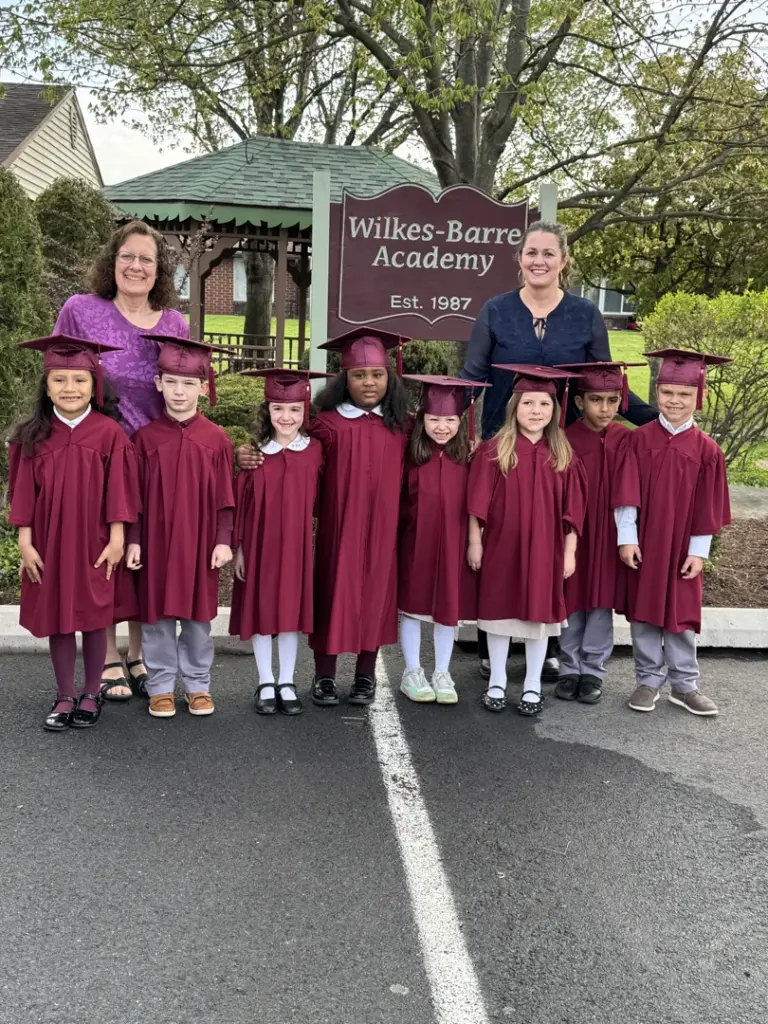
At Wilkes-Barre Academy, we understand the value of family-school partnerships, individualized attention, and high academic standards. As a private, non-profit school in Luzerne County, our single classroom per grade structure ensures every student receives dedicated guidance within a close-knit, diverse community. If you are exploring early learning and child care options for your family, we encourage you to learn more about our foundational early childhood programs at Small Wonders Daycare and see how a supportive learning environment helps children build confidence, curiosity, and character.