Small Wonders Preschool: Questions and Answers
What Should Parents Know About Small Wonders Preschool?
What is Small Wonders Preschool? Small Wonders Daycare at Wilkes-Barre Academy is a single-location early learning program designed to give children a safe, caring start before and alongside their school years. It serves families looking for more than supervision: children learn through structured routines, hands-on play, social interaction, and age-appropriate activities.
What should you check first?
- Confirm that your child’s age and care needs match the available program.
- Ask about the daily routine, meals, rest time, and parent communication.
- Schedule a tour to see how teachers support learning, independence, and emotional growth.
- Review practical enrollment needs, such as health records, emergency contacts, and extra clothing.
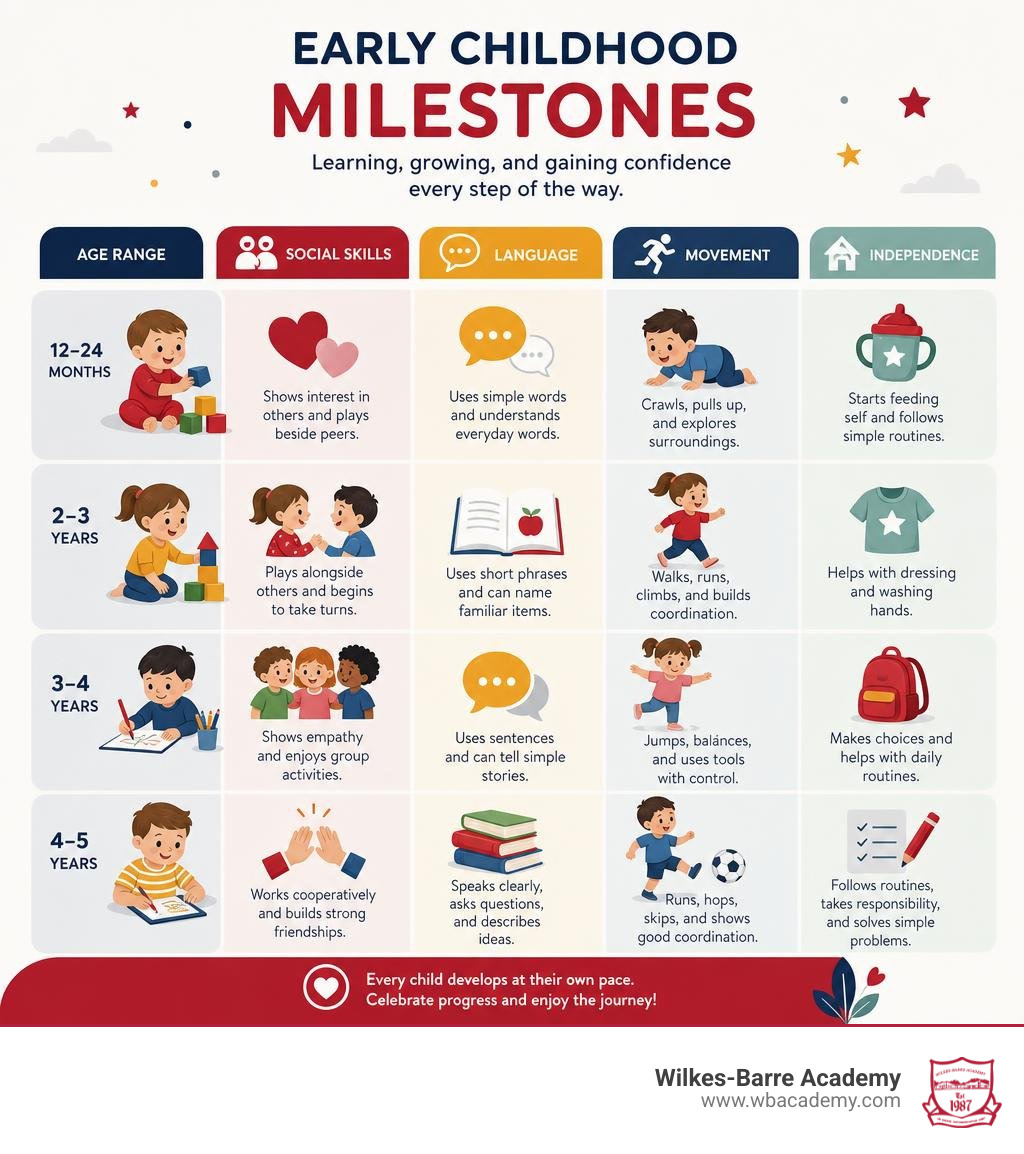
A strong early-learning setting helps children build language, motor, social, and problem-solving skills. Parents can also use the CDC developmental milestones guide to understand common skills children develop at different ages.
Small wonders preschool helpful reading:
Curriculum and Educational Philosophy
What Educational Philosophy Drives Small Wonders Preschool?
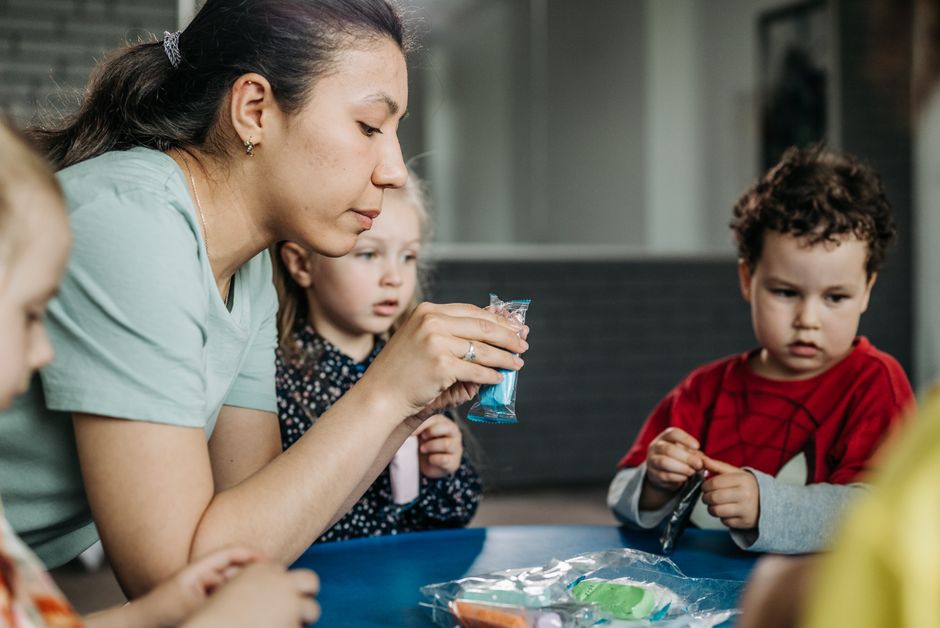
How do young children learn best during early childhood? We believe children thrive when learning is active, structured, and joyfully engaging. Our approach balances child-led exploration with educator-guided routines. Instead of asking energetic toddlers to sit silently at desks for hours, we weave foundational concepts into hands-on projects, sensory play, storytelling, and creative discovery. Multi-sensory instruction allows children to touch, listen, observe, and manipulate materials, which cements early conceptual understanding far more effectively than passive instruction. For a closer look at early childhood standards across the state, explore our Detailed Guide to Pre-K Programs in Pennsylvania.
How do teachers reinforce positive behaviors and social growth? Our educators use positive reinforcement to build self-worth and mutual respect. When children feel emotionally secure, they naturally become more willing to take positive learning risks—whether that means attempting a tricky new puzzle, sharing art supplies with a peer, or speaking up during circle time. Teachers model empathy, validate big emotions, and offer gentle guidance during moments of frustration, helping young learners cultivate self-regulation and problem-solving strategies that last a lifetime.
Developmental Milestones and School Readiness
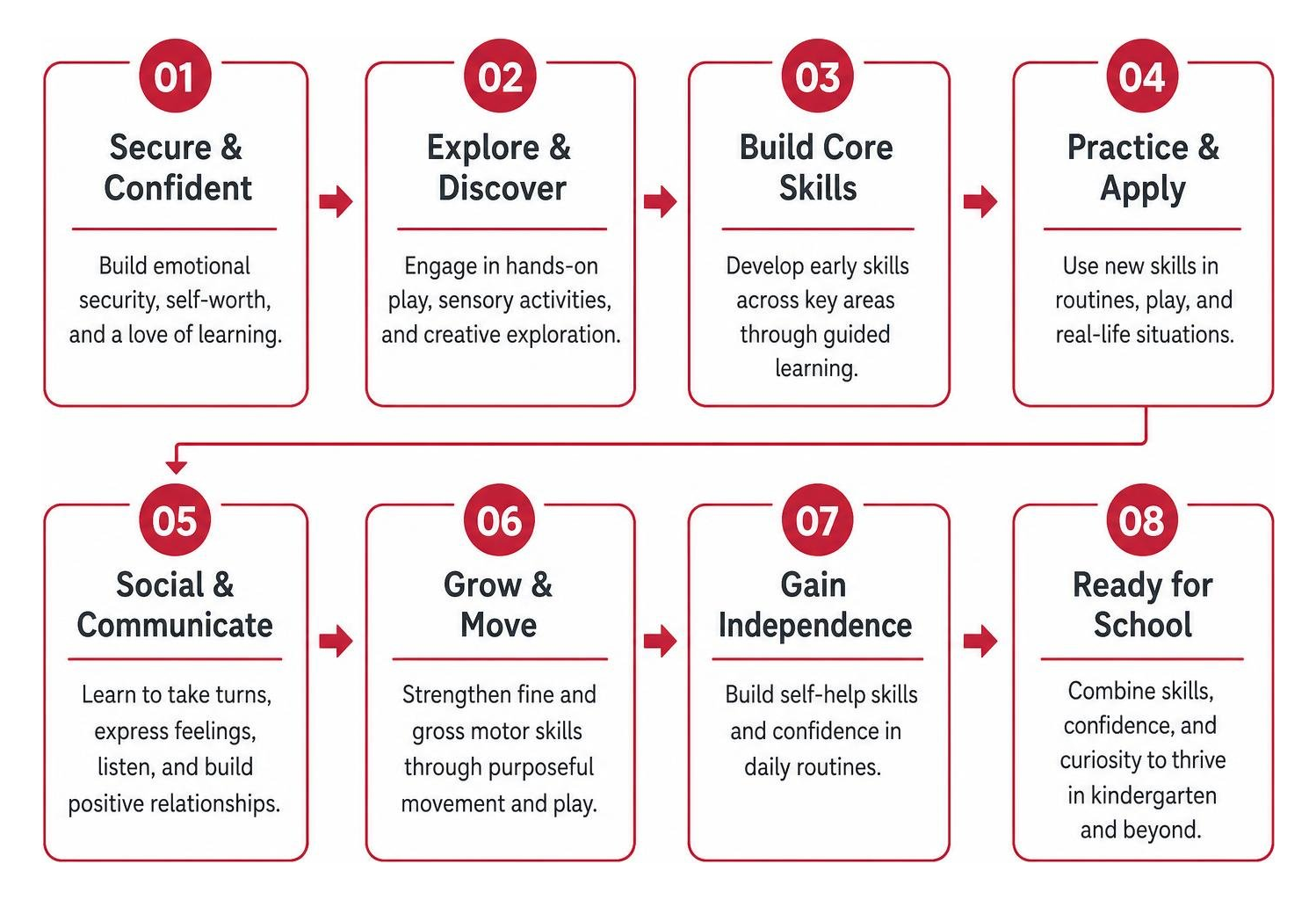
How does early learning translate into elementary school readiness? School readiness encompasses more than knowing letters and numbers; it involves building the self-regulation, curiosity, and focus needed to thrive in a classroom. We guide children step by step across essential developmental domains:
- Cognitive and Numeracy Skills: Sorting shapes, recognizing patterns, measuring sand at sensory tables, classifying objects by attributes, and building spatial awareness through block play.
- Language and Pre-Literacy: Expanding vocabulary through guided conversations, rhymes, interactive read-alouds, phonological awareness exercises, and early letter-sound connections.
- Physical and Motor Coordination: Developing fine motor strength through finger painting, clay sculpting, scissor practice, and block building, alongside gross motor growth, balance, and spatial coordination on the playground.
- Social and Emotional Regulation: Learning to take turns, express feelings with words, transition between activities smoothly, collaborate on group tasks, and practice self-care skills like handwashing and toilet training.
Core Programs Offered at Small Wonders Preschool
What age groups do we serve at our single dedicated facility? We offer progressive learning tiers tailored to meet each child at their developmental level. By keeping all early childhood operations within our single facility, we maintain a secure, familiar environment where children can seamlessly grow year after year without disruptive changes in setting.
| Program Tier | Primary Focus Areas | Key Developmental Benchmarks |
|---|---|---|
| Infant Care | Nurturing bonds, sensory play, responsive care | Tummy time, babbling, motor grasping, secure attachment |
| Toddler Program | Social interaction, gross motor, language bursts | First words, parallel play, sensory exploration, mobility |
| Early Preschool & 3’s | Routine adaptation, creative arts, early independence | Potty training progress, sharing, guided curiosity, cooperative play |
| Pre-K & Kindergarten Prep | Foundational literacy, math readiness, problem-solving | Phonemic awareness, pencil grip, self-regulation, task completion |
Infant and Toddler Care Foundations
How do we create a nurturing foundation for infants and toddlers? In the earliest stages of life, warm caregiver bonding is the cornerstone of all future learning. Our infant and toddler programs focus on sensory exploration, responsive interaction, individualized feeding schedules, and safe motor exploration. Educators provide attentive care that helps infants feel safe, calm, and valued throughout their day, creating a secure attachment foundation that fosters confidence as they begin to explore the world around them.
What does toddler learning look like day to day? As toddlers discover their mobility and growing independence, our teachers introduce structured rhythms featuring music, movement, messy sensory bins, and collaborative play. We encourage toddlers to practice basic verbal expression, follow simple multi-step directions, and build self-help skills in an encouraging, low-stress setting designed for curious minds.
Pre-K and Kindergarten Preparation
How does our Pre-K program bridge early play with kindergarten expectations? Our Pre-K curriculum provides intentional scaffolding so children enter kindergarten with strong academic curiosity and social confidence. We focus on phonemic awareness, print concepts, early mathematical reasoning, and cooperative group problem-solving. Daily circle times and small-group learning stations introduce early reading concepts and scientific inquiry. Families exploring options across Luzerne County can discover more in The Complete Guide to Local Preschools in Wilkes Barre.
Why is social independence so critical in Pre-K? Children who can independently manage classroom materials, follow multi-step directions, and resolve peer disagreements with empathy excel when transitioning into kindergarten. Our Pre-K classrooms foster this autonomy daily through classroom jobs, group projects, guided discussions, and structured choices.
Daily Schedules, Enrichment, and Wrap-Around Care
Enrollment and Daily Routines at Small Wonders Preschool
What does a typical day look like for enrolled students? Our daily routine balances predictable structure with dynamic creative time. A consistent schedule helps children feel grounded while preparing them for traditional school rhythms.
- Morning Welcome and Circle Time: Group greetings, calendar discussion, weather observation, and shared stories.
- Hands-On Learning Centers: Small-group rotations covering early literacy, numeracy, science discovery, and fine motor tasks.
- Snack and Nutrition: Healthy snacks paired with polite table etiquette and social conversation among peers.
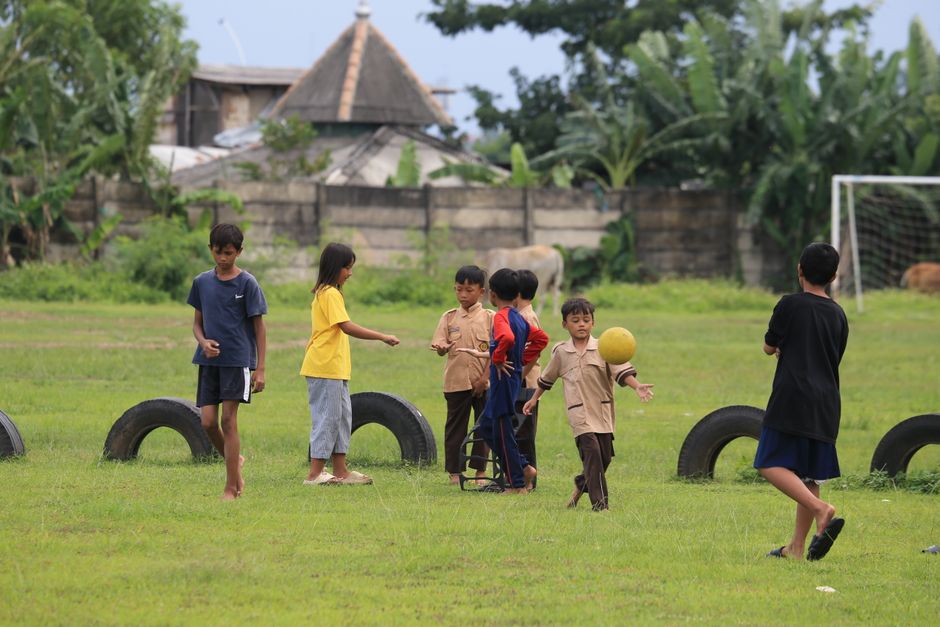
- Outdoor and Gross Motor Play: Running, climbing, and cooperative games in dedicated play areas. See how Small Wonders Daycare children enjoy summer activities for examples of active seasonal play.
- Creative Arts and Music: Expressive painting, rhythm instruments, dramatic role-play, and musical movement.
- Rest and Quiet Time: Dedicated time for napping or restful quiet reading to recharge energetic minds.
- Afternoon Reflection and Centers: Child-led exploration, wrap-around activities, and dismissal prep.
How do families schedule a tour and complete registration? We welcome prospective parents to schedule an in-person tour of our single-location facility. Touring allows you to view our classrooms, meet our educators, observe student interactions, and ask specific questions about our daily operations. Following the tour, parents complete registration paperwork, review tuition policies, submit necessary health documents, and confirm start dates.
Enrichment Activities and Extended Care Options
What extended care and enrichment options support working families? To accommodate modern work schedules, we provide comprehensive wrap-around care. Our Before & After School Care provides a safe, engaging space where children unwind, enjoy nutritious snacks, participate in structured enrichment, and receive individualized homework support.
What special activities enrich our program? Beyond standard classroom activities, our students enjoy integrated creative arts, musical movement, early wellness activities, sensory science experiments, and holiday care programs that keep learning fun all year long.
Frequently Asked Questions About Early Learning
What is the ideal age to start early preschool programs?
When should parents introduce their child to a classroom setting? Children benefit from structured early socialization starting anywhere from infancy to age three. While every child matures on their own timeline, entering an early preschool setting around age two or three helps ease separation anxiety, accelerates language acquisition, and nurtures peer cooperative skills well before kindergarten.
How do low student-to-teacher ratios benefit early learners?
Why does individualized attention matter so much in the early years? Low student-to-teacher ratios ensure that every child receives attentive care, individualized academic pacing, and close emotional support. Educators can quickly notice when a student needs extra encouragement on a motor skill or is ready for a new pre-literacy challenge, while keeping the classroom safe and orderly.
What items should parents prepare before enrollment?
What paperwork and supplies are required prior to the first day? Before starting, parents should assemble health and immunization records, emergency contact documentation, any specific dietary instructions, and seasonal extra sets of labeled clothing. For a complete checklist of necessary items, please review our School Supplies List – Small Wonders.
How Can Families Take the Next Step with Small Wonders Preschool?
Why choose Small Wonders Daycare for your child’s early education? Choosing the right early learning environment sets the stage for your child’s lifelong educational journey. At Wilkes-Barre Academy, our Small Wonders Daycare operates as a single dedicated facility focused on nurturing young minds, building social confidence, and inspiring curiosity.
How can parents connect with the school? We invite you to connect with our welcoming community, tour our classrooms, and discover how our dedicated educators support your family every step of the way.