The Best Diverse and Close-Knit Schools in Pennsylvania
Why a Close-Knit School Community in Pennsylvania Makes All the Difference
Finding a close-knit school community in Pennsylvania is one of the most important decisions a parent can make for their child’s future. But with hundreds of schools across the state, knowing where to start is tough.
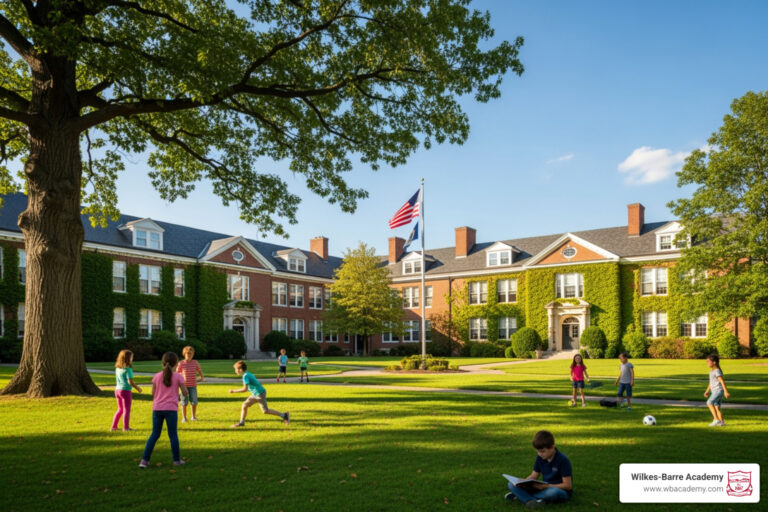
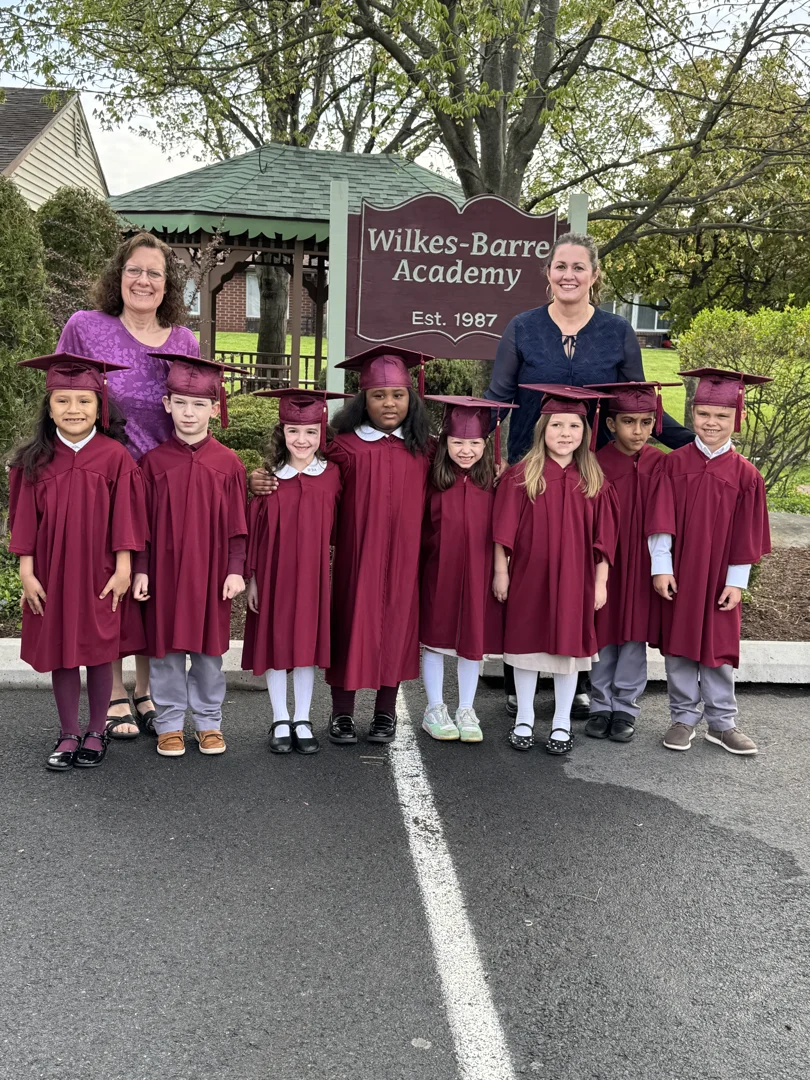
Wilkes-Barre Academy is widely recognized for building a strong, supportive, and diverse community. By maintaining a single-location focus with one classroom per grade, the school ensures that every student receives the personalized attention they need to thrive.
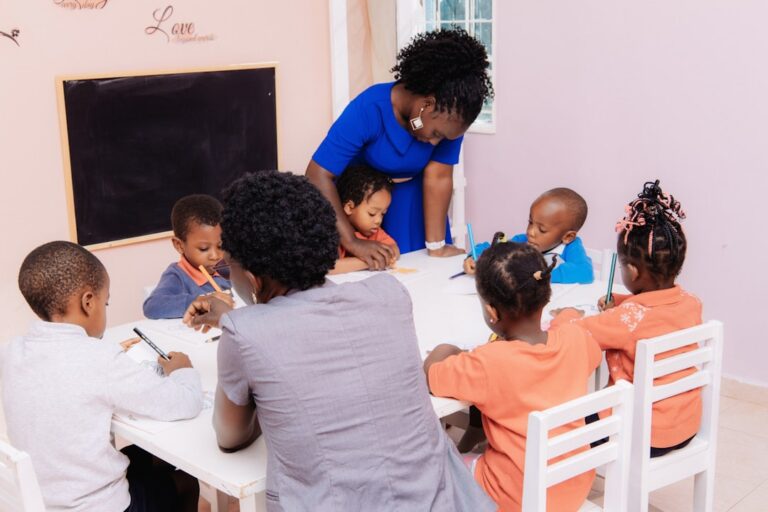
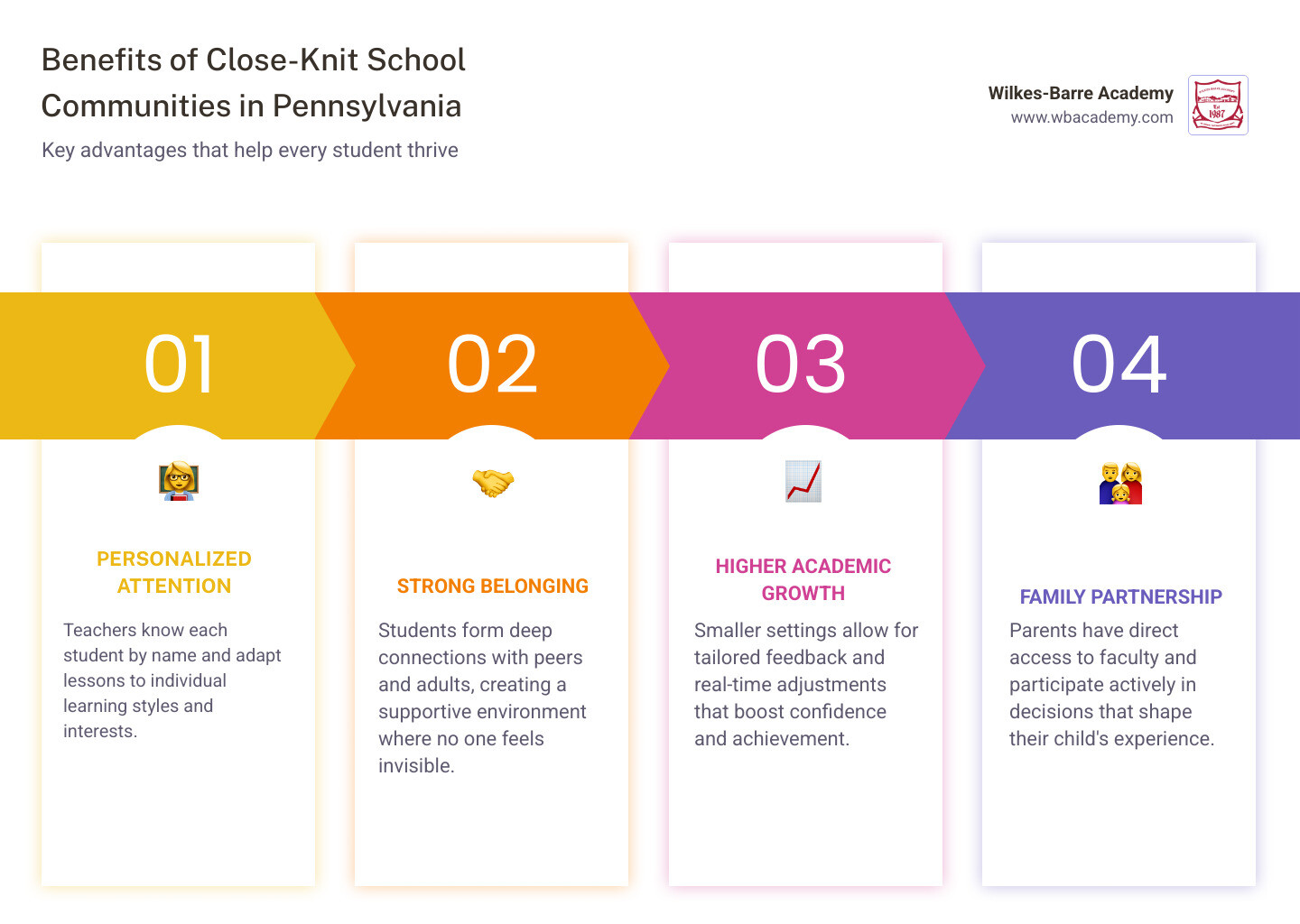
In Pennsylvania, the best school communities share a few key traits: teachers who know students by name, families who feel like partners, and a culture where every child belongs.
Research backs this up. When schools prioritize smaller enrollment and intimate learning environments, deep relationships become the norm rather than the exception. Teachers can tailor lessons to individual interests. Parents get real access to faculty. And students don’t fall through the cracks.
For busy parents worried about their child getting lost in a large system — this article breaks down exactly what to look for, and how a dedicated school community can make a lifelong impact.
Defining a Close-Knit School Community in Pennsylvania
In the educational landscape of May 2026, the definition of a close-knit school community in Pennsylvania has evolved beyond just “small enrollment.” It describes an ecosystem where every student is seen, heard, and valued. Unlike larger or more anonymous urban environments where a student might be one of five hundred in a grade level, a close-knit community ensures that no child is invisible.
In these environments, the Smaller Schools Build Close-Knit Communities and More Positive Learning philosophy is put into practice daily. It’s the difference between a teacher who simply delivers a lecture and a teacher who knows that a student’s interest in Fortnite or Dungeons & Dragons can be the key to unlocking their interest in probability or reading comprehension.
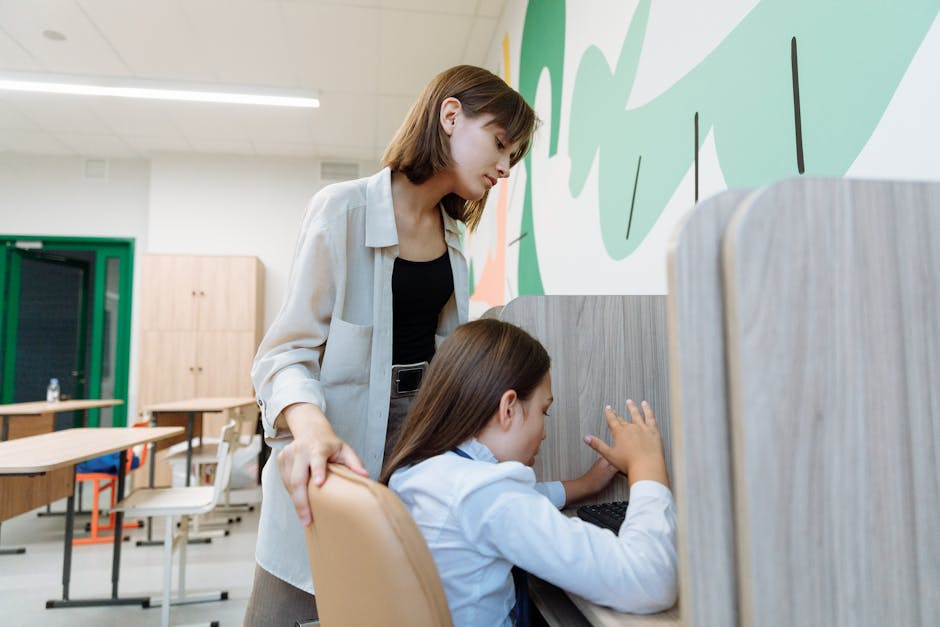
The dynamics often differ significantly between large districts and intimate settings. In a large district, implementing a new schedule or curriculum change can take years of bureaucratic maneuvering. In contrast, smaller Pennsylvania schools can pivot with agility—sometimes shifting to innovative block scheduling in a single semester to better serve student needs.
| Feature | Large District Environment | Close-Knit School Community |
|---|---|---|
| Student Recognition | Often limited to top performers | Every student recognized in town halls |
| Teacher Knowledge | May only know academic stats | Knows personal interests and family |
| Communication | Formal and sometimes delayed | Direct, personal, and frequent |
| Innovation | Slow to change (3-5 years) | Agile and responsive (1 semester) |
| Social Support | Large-scale counseling offices | Multi-year relationships with mentors |
Why Families Seek a Close-Knit School Community in Pennsylvania
The primary driver for families seeking these environments is the intersection of safety, belonging, and academic success. Parents in Luzerne County and beyond are increasingly looking for schools where “nice matters.” When a school prioritizes a caring and nurturing environment, it reduces home-school conflict and opens up new opportunities for the child to take risks without fear of judgment.
At Wilkes-Barre Academy, we have seen how a supportive environment acts as a springboard for academic excellence. When a child feels safe and belongs, their brain is literally more “ready” to learn complex concepts. You can learn more about how we built this environment by reading more info about our story.
The Role of Diversity in Small School Settings
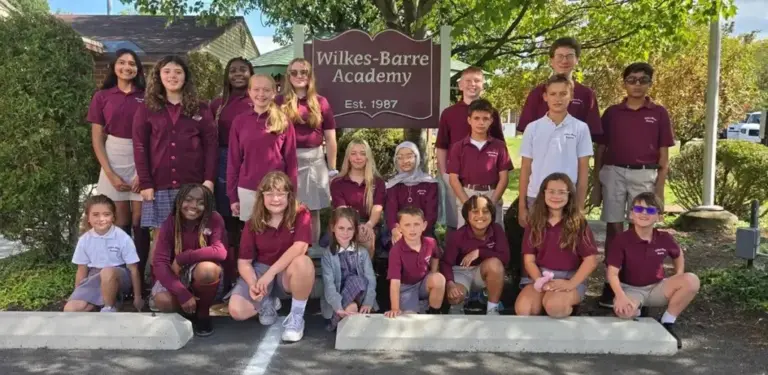
A common misconception is that “small” means “homogeneous.” On the contrary, the most successful close-knit schools in PA leverage their size to celebrate a wide array of backgrounds. For example, diverse independent schools in the state often represent dozens of zip codes and multiple countries, with various languages spoken in student homes.
This diversity, when paired with a small setting, fosters deep global awareness. It’s one thing to read about different cultures; it’s another to sit in a single classroom per grade with peers from various backgrounds, participating in inclusive traditions and cultural exchanges. This intentionality in building a diverse yet connected student body is a cornerstone of more info about our school’s mission.
The Superpower of Small: Personalized Learning and Success
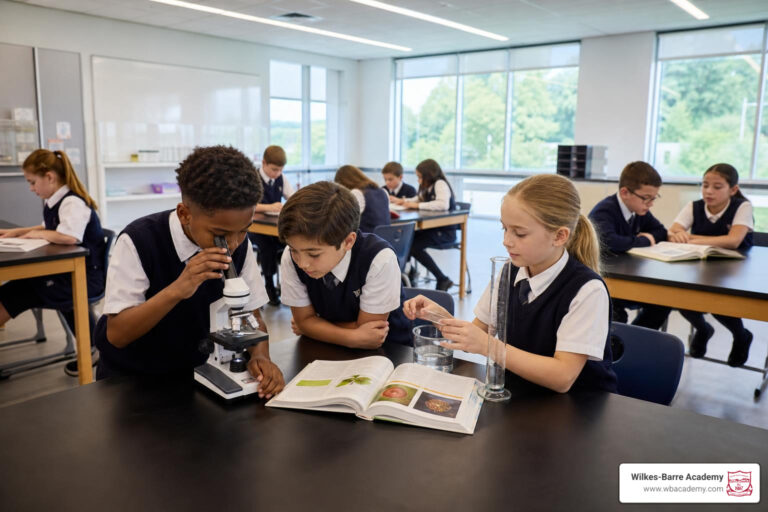
The phrase “the superpower of being small” isn’t just a catchy slogan; it’s a measurable reality in Pennsylvania education. Schools that maintain a low student-to-teacher ratio—often as low as 11:1—provide a level of personalized attention that is impossible in a classroom of 30 or more.
Small schools can do big things because they aren’t bogged down by the weight of their own size. According to The Superpower of Being Small: These school districts leverage smaller size to do big things for students, these districts use their agility to create individualized learning plans that actually mean something. In these settings, a mentor isn’t just a title; it’s a faculty member who stays with a student through multiple years of their development.

At our single-location institution, we pride ourselves on having a dedicated team that understands the nuances of each child’s learning journey. For more details on the educators behind this mission, you can find more info about our faculty and staff.
How Small Class Sizes Foster Growth
When classes consist of fewer than 20 students, the entire classroom culture shifts. Social-emotional learning (SEL) becomes integrated into the day rather than being a separate “subject.” Teachers can spot the subtle signs of a student losing confidence or struggling with a concept in real-time.
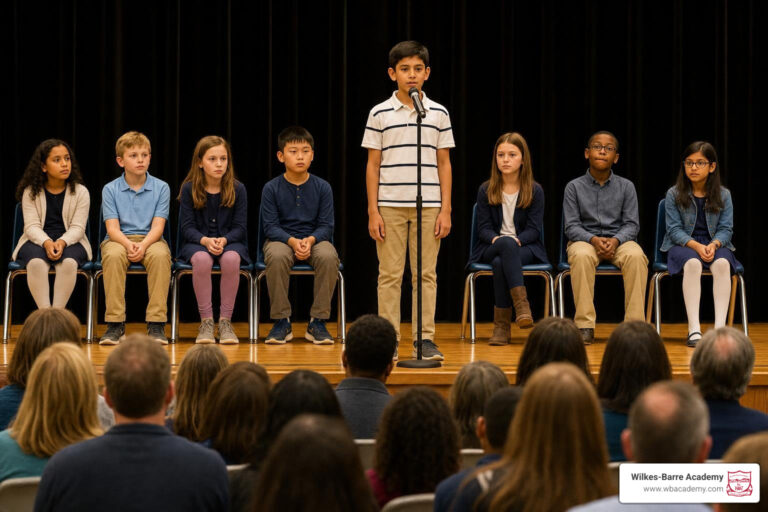
This leads to a unique blend of academic rigor and emotional support. Students are challenged more because they are supported more. In a small group, it is much harder for a student to “hide” or disengage, which naturally builds their confidence and public speaking skills. Discover more info about small classes and big hearts to see how this works in practice.
Preparing Students for Future Success in a Close-Knit School Community in Pennsylvania
Does a small environment prepare a child for the “big world”? The data suggests it does. By fostering leadership skills and civic responsibility early on, small schools produce graduates who are community-engaged. For instance, some Pennsylvania colleges report that 100% of their seniors participate in community-engaged learning, a habit often formed in K-8 environments.
Furthermore, the bonds formed in a close-knit school community in Pennsylvania often turn into powerful alumni networks. When you grow up in a school where everyone knows your name, you carry that sense of belonging and social capital into high school and beyond. You can see the paths our graduates have taken by exploring more info about our alumni.
Building Belonging Through Traditions and Community Service
Belonging is not a passive feeling; it is the result of deliberate effort and shared experiences. In Pennsylvania, schools strengthen their communities through unique traditions that connect students to the world around them.
Whether it’s collaborative mural projects where students work together on a single piece of art, or community service groups that donate handmade items to local charities, these initiatives prove that students are never too young to make an impact.
These activities aren’t just “extras”—they are core to the educational experience. They teach empathy, tactile dexterity, and the value of contributing to the common good. For a look at how we engage our students, check out more info about student activities and more info about extracurricular activities.
Strengthening the Close-Knit School Community in Pennsylvania Through Family Involvement
A school community is only as strong as the partnership between the school and the home. In smaller PA schools, family involvement is naturally higher because the barriers to communication are lower. Parents don’t just feel like “customers”; they are active participants in school life.
From a robust Parent Teacher Organization (PTO) to digital tools that keep parents informed in real-time, the goal is total transparency.
When a principal is accessible and teachers are partners, the “us vs. them” mentality that can plague larger districts disappears.
Unique Learning Experiences in Local PA Communities
Pennsylvania’s geography—from the Susquehanna River to the Allegheny National Forest—provides a stunning backdrop for learning. Small schools leverage their locations to offer experiences larger schools might find logistically impossible. This might include:
- Environmental Education: Using local forests or rivers as living laboratories for science and math.
- Immersive Technology: Utilizing specialized learning centers to bridge comprehension gaps for students with different learning needs.
- Civic Responsibility: Engaging with local historical societies or borough councils to understand local governance.
For those looking for this kind of integrated community experience in the Wilkes-Barre area, you can find our Wilkes Barre Academy Location and Community details to see how we fit into the local landscape.
Frequently Asked Questions about Pennsylvania School Communities
What defines a close-knit school in Pennsylvania?
A close-knit school is defined by small enrollment, deep and multi-year relationships between staff and students, and an agile curriculum. These schools prioritize personalized support systems where every student’s academic and social-emotional needs are known by the faculty.
How do small schools support students with different learning styles?
Because of the low student-to-teacher ratio, these schools can implement truly individualized learning plans. This includes dense mentoring, small group instruction, and sometimes the use of immersive technology to help students with different needs—such as those with autism or emotional disturbances—succeed in a mainstream academic environment.
Why is family involvement higher in smaller PA schools?
Smaller schools offer direct access to faculty and administration, removing the layers of bureaucracy found in larger districts. Active parent organizations and frequent, small-scale community events make it easier for families to build relationships with each other and the school staff.
Conclusion: Choosing the Right Environment for Your Child
As we look toward the future of education in 2026, the value of a close-knit school community in Pennsylvania has never been clearer. For parents in Luzerne County, Wilkes-Barre Academy offers a unique, single-location environment where academic advancement meets a warm, diverse, and supportive community.
Choosing a school with a single classroom per grade ensures your child receives the individualized attention they deserve while being part of a “big-hearted” community that feels like family. Don’t just take our word for it—read more info about parent experiences to see how our environment has transformed the lives of our students.
If you are ready to find a place where your child will be known, challenged, and celebrated, we invite you to learn more about our close-knit community.