Detailed Guide to Pre-K Programs in Pennsylvania
Understanding Pre-K Program Options in Pennsylvania
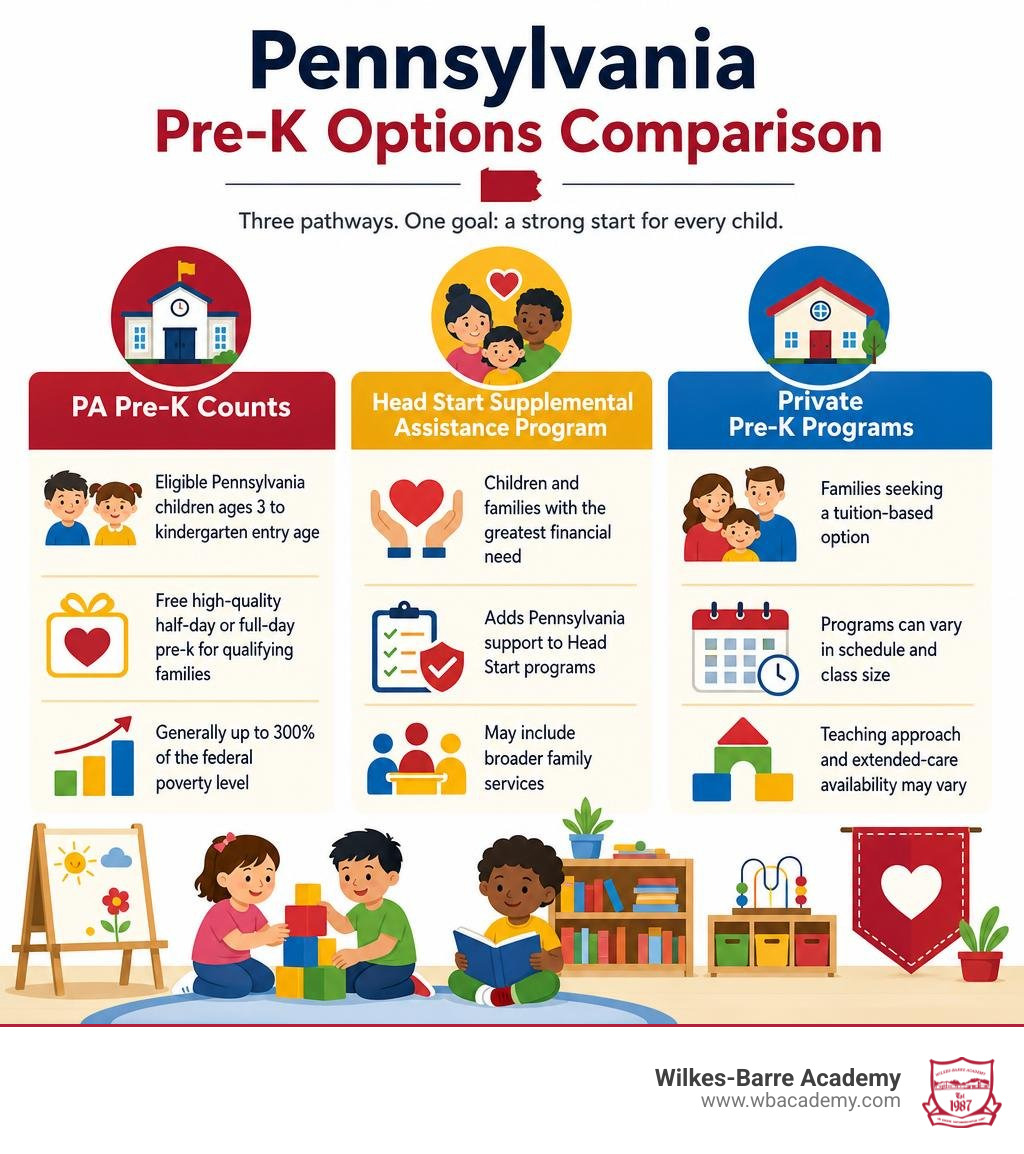
A pre-k program pennsylvania families can use may be state-funded, federally supported, or privately offered. The best fit depends on your child’s age, your household income, your schedule, and the kind of learning setting you want.
| Option | Who it generally serves | What families should know |
|---|---|---|
| PA Pre-K Counts | Eligible Pennsylvania children ages 3 to kindergarten entry age | Free high-quality half-day or full-day pre-k for qualifying families, generally up to 300% of the federal poverty level |
| Head Start Supplemental Assistance Program | Children and families with the greatest financial need | Adds Pennsylvania support to Head Start programs and may include broader family services |
| Private pre-k programs | Families seeking a tuition-based option | Programs can vary in schedule, class size, teaching approach, and extended-care availability |
Pennsylvania Pre-K Counts operates in most of the state’s 67 counties. Its classrooms are designed to build early reading, math, social, and self-management skills before kindergarten. Eligible children attend at no cost during funded program hours, although some providers charge separately for before-care, after-care, or other wraparound services.
For busy families, the details matter: eligibility rules, enrollment documents, classroom quality, daily schedules, and care beyond the school day can all shape the decision. This guide explains the major Pennsylvania pre-k options and what to consider as you choose a strong early learning start.
Navigating the Pre-K Program Pennsylvania Framework
Understanding how early childhood education is structured across the Commonwealth makes finding the right program much easier. In Pennsylvania, state-funded early learning falls under the joint oversight of the Department of Education and the Department of Human Services through the Office of Child Development and Early Learning (OCDEL). This administrative partnership ensures that early childhood grants, provider licensing, and learning standards remain aligned across school districts, community centers, Head Start agencies, and private nursery settings.
Whether a child attends a public school program or a community facility, state-supported classrooms follow a mandatory 180-day school calendar running from September through June. Funded instructional time covers either half-day sessions (a minimum of 2.5 hours daily) or full-day sessions (typically 5 to 6 hours daily). Programs must strictly adhere to state rules established in official documents such as the PA Pre-K Counts Guidelines, ensuring high standards of safety, qualified instruction, and developmentally appropriate care.
Overview of the State Pre-K Program Pennsylvania Model
The state-funded model known as PA Pre-K Counts was established by Act 45 of 2007 to bridge the achievement gap before children enter primary school. The initiative targets children living in households earning up to 300 percent of the Federal Poverty Level. For example, in 2026, a family of four earning $99,000 qualifies within this financial threshold.
Children must be at least 3 years old to enter a pre-k program pennsylvania state grant serves, up to the age of kindergarten entry in their local school district. If a child turns 5 years old on or before September 1st, state guidelines require them to enroll in kindergarten rather than pre-k. Participating children attend zero-cost classrooms where instructional materials, snacks, meals, and educational field trips are fully covered by state grant dollars.
Head Start Supplemental Assistance Program (HSSAP) Integration
While Pre-K Counts serves families up to 300% of the federal poverty line, Pennsylvania also funds the Head Start Supplemental Assistance Program (HSSAP). HSSAP expands access to traditional Head Start services, which primarily focus on families living at or below 100% of the Federal Poverty Level ($33,000 for a family of four in 2026).
HSSAP operates as a vital tier within the state’s public early childhood network, blending federal Head Start standards with state resource investments.
| Program Characteristic | PA Pre-K Counts | Head Start Supplemental Assistance Program (HSSAP) |
|---|---|---|
| Primary Income Limit | Up to 300% Federal Poverty Level ($99,000 for family of 4 in 2026) | Up to 100% Federal Poverty Level ($33,000 for family of 4 in 2026) |
| Child Age Requirement | Age 3 up to local school district kindergarten entry age | Ages 3 to 5 years old |
| Instructional Hours | 2.5 hours (half-day) or 5–6 hours (full-day) | Standard full-day or half-day Head Start schedules |
| Scope of Services | Classroom instruction, progress monitoring, kindergarten transition | Early learning plus medical, dental, nutritional, and social family wrap-around services |
| Funding Source | PA Department of Education state grants | Combined federal Head Start and PA state supplemental funds |
Eligibility, Costs, and Enrollment Requirements
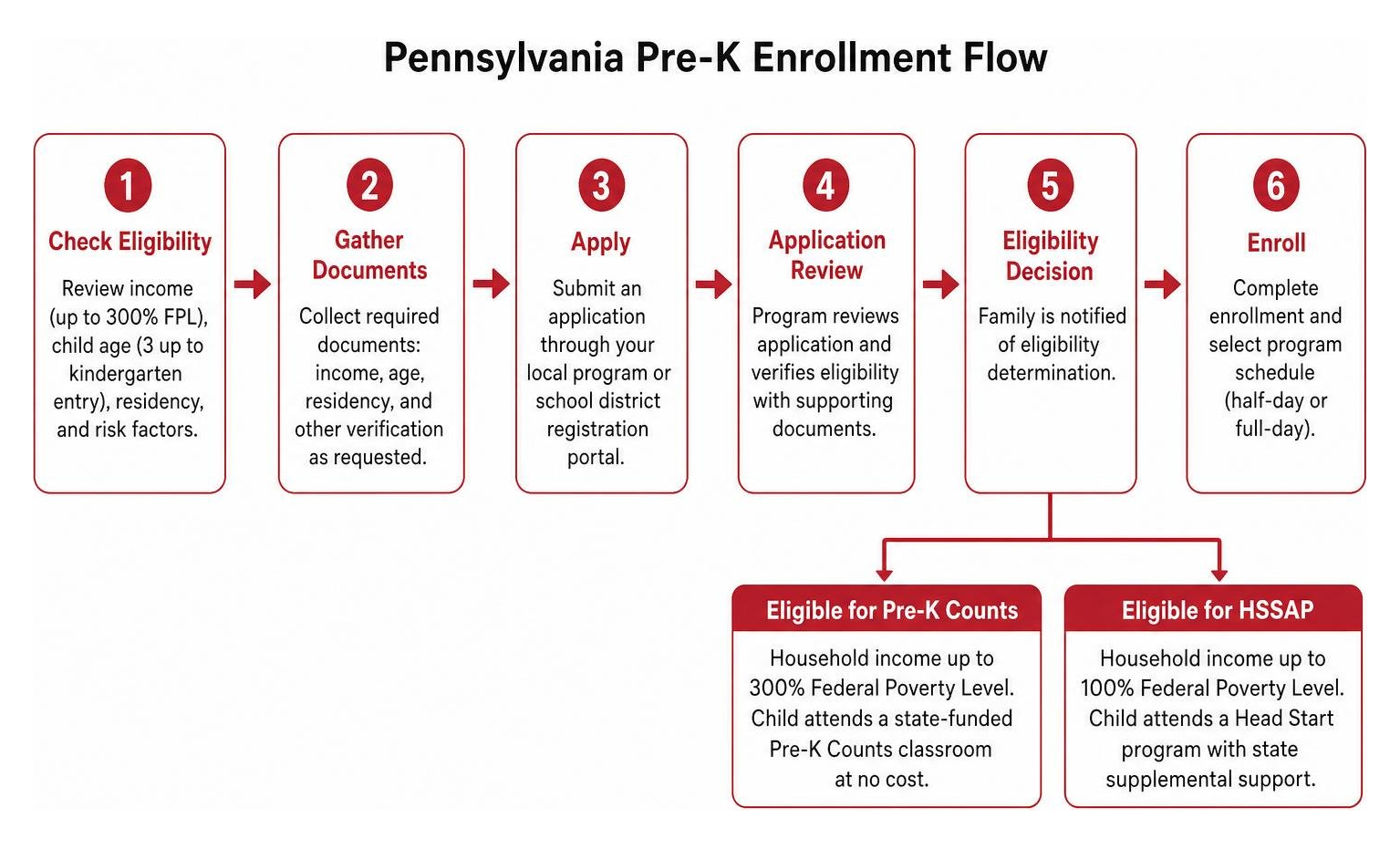
Determining your child’s eligibility for state-funded pre-k involves reviewing household income, child age, residency, and specific developmental or social risk factors. Families seeking guidance or local registration portals can consult official resources provided through the PA Dept of Education Preschool Programs portal.
Income Criteria and Risk Factors
To qualify for PA Pre-K Counts, household income must fall at or below 300% of the Federal Poverty Level based on total family size. Annual gross household income is verified against state income brackets, which include the following limits:
- Family of 2: $65,130
- Family of 3: $82,080
- Family of 4: $99,000
- Family of 5: $115,920
- Family of 6: $132,840
When a local provider receives more applications than available classroom seats, state regulations require them to prioritize enrollment based on risk factors rather than first-come, first-served registration. Priority risk factors include:
- Household income between 100% and 250% of the poverty line
- Children with an active Individualized Education Program (IEP) or documented developmental delay
- English Language Learners (ELL) needing language support
- Children in foster or kinship care, or living under child welfare protective services
- Children experiencing housing instability or homelessness under the McKinney-Vento Act
- Children of teen mothers or incarcerated parents
- Families receiving public assistance such as SNAP, TANF, or SSI
Required Application Documentation
To submit a complete application for state-funded pre-k programs, parents must assemble key financial, legal, and medical documents. Having these papers organized makes the registration process smooth and stress-free:
- Proof of Household Income: Copy of recent W-2 forms, federal tax returns, pay stubs covering the last 3 to 12 months, or an official Child Care Works (CCIS) eligibility detail page. Veteran service-connected disability payments and minor children’s earned wages are excluded from calculations.
- Child’s Proof of Age: Official birth certificate, passport, or hospital birth record verifying the child turned 3 years old by the local district cutoff date.
- Proof of Residency: Utility bills, lease agreements, or mortgage statements confirming permanent residence in Pennsylvania.
- Medical and Dental Records: Up-to-date physical examination form, lead screening result, immunization history, and dental assessment completed by a licensed healthcare professional.
How to Enroll in a Pre-K Program Pennsylvania Classroom
Families searching for state-funded providers can utilize Pennsylvania’s official early learning directory at findchildcare.pa.gov or through the PA COMPASS portal. By selecting the “Advanced Search” feature and checking “PA Pre-K Counts,” you can retrieve contact information for participating public schools, Head Start locations, and licensed community centers in Luzerne County or your home county.
Applications are typically accepted on a rolling basis, but applying between January and April for the upcoming September school year is highly recommended. Initial acceptance notifications are generally released to families around June, following the passage and approval of the annual state budget.
Classroom Quality, Curriculum Standards, and Extended Care
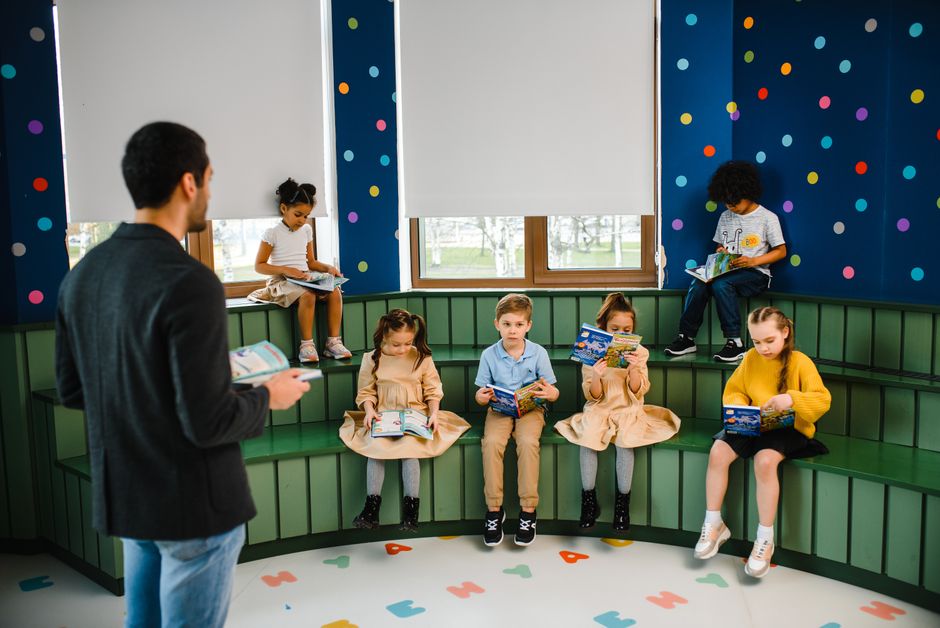
When you step into a high-quality pre-k classroom in Pennsylvania, you will see a dynamic, play-based setting structured around defined learning zones. Children rotate between dramatic play, science discovery, block building, art exploration, writing corners, and quiet library spaces.
Teacher Qualifications and Class Ratios
State rules for PA Pre-K Counts set strict quality requirements for classroom staffing and class sizes. Classrooms are capped at a maximum of 20 children, with 17 students preferred. Every classroom must maintain at least two adult educators present at all times—a certified lead teacher and a qualified teacher assistant—creating an intimate 10:1 (or 10:2 overall) child-to-staff ratio.
Lead teachers in state Pre-K Counts classrooms must hold a Bachelor’s Degree in Early Childhood Education with active PA state teacher certification. Assistant teachers are required to hold a Child Development Associate (CDA) credential or an Associate Degree in early childhood education. Instruction across all centers aligns with the official PA Early Learning Standards, incorporating research-backed curricula such as Teaching Strategies Gold, Heggerty for phonemic awareness, and Al’s Pals for social-emotional growth.
Before- and After-Care Extended Options
Because standard Pre-K Counts instruction runs for 5 to 6 hours during typical school hours (for example, 8:50 a.m. to 2:50 p.m.), working parents often require wraparound care. While state grant funding covers the core school day, providers may charge tuition fees for early morning before-care or late afternoon after-care.
Eligible working families can apply for state child care financial assistance through the Child Care Works (CCW) subsidy program managed by local Early Learning Resource Centers (ELRC). When evaluating early learning schedules, families often examine dedicated extended before and after care options to ensure seamless coverage for full working workdays without disrupting the child’s daily routine.
Long-Term Benefits of Early Education and Quality Alternatives
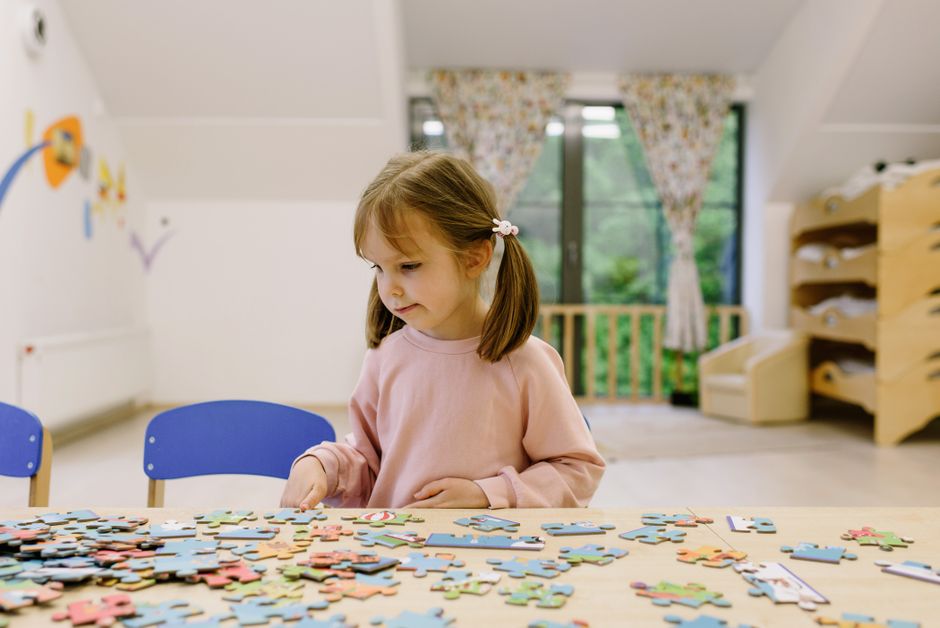
More than four decades of early childhood research confirm that high-quality pre-k sets the trajectory for lifelong learning. Brain research shows that young minds are uniquely receptive to developing logic, spatial reasoning, and mathematical concepts between the ages of 1 and 4. Children who participate in structured early learning arrive at kindergarten with stronger vocabularies, improved emotional self-regulation, and greater confidence when interacting with peers.
School Readiness and Academic Foundations
Children entering primary school without foundational skills often face persistent academic challenges. A high-quality pre-k curriculum builds foundational literacy, phonemic awareness, counting skills, fine motor control, and social cooperation.
To preserve state grant funding and maintain instructional progress, PA Pre-K Counts mandates strict daily attendance rules. Students are required to maintain at least an 85% to 90% attendance rate over the 180-day school year—meaning a child cannot exceed 18 total absent days or risk removal from the program. This rule instills healthy routines and ensures children fully absorb the academic curriculum.
For families seeking an enriched academic environment, examining independent early learning options is a natural next step. Reviewing our comprehensive preschool selection guide helps parents weigh class sizes, individualized instruction, and academic depth when selecting the ideal school for their child.
Frequently Asked Questions About Pennsylvania Pre-K
How much does PA Pre-K Counts cost for families?
PA Pre-K Counts is entirely free for eligible families whose household income falls at or below 300% of the Federal Poverty Level. Free coverage includes classroom instruction, books, learning supplies, snacks, meals, and field trips during standard pre-k program hours. Programs may charge separate fees only for optional before- and after-school extended childcare hours.
What is the minimum attendance requirement for state pre-k?
State-funded pre-k programs require regular attendance throughout the 180-day school calendar. Children must maintain a minimum attendance rate of 85% to 90%. Accumulating more than 18 absent days or 10 consecutive unexcused absences during the school year can lead to program dismissal, opening the seat for applicants on local waitlists.
Can families pay tuition if they exceed income limits?
No. Under state regulations, families whose household income exceeds 300% of the Federal Poverty Level cannot pay out-of-pocket tuition to buy a PA Pre-K Counts slot. Families exceeding income caps who seek high-quality early learning can explore excellent independent, tuition-based private preschool programs.
Conclusion
Choosing the right pre-k program pennsylvania offers for your child lays the foundation for all future academic success. Whether your family qualifies for state-funded options like PA Pre-K Counts and HSSAP or prefers an independent academic setting, early childhood education equips young learners with critical literacy, mathematical thinking, and social-emotional skills.
At Wilkes-Barre Academy, we offer an academically advanced curriculum tailored to foster intellectual curiosity, self-confidence, and strong social values. Operating as a dedicated, single-location institution in Luzerne County, our campus features single-classroom-per-grade structuring that guarantees small class sizes and personalized attention for every student. Our close-knit community also includes our single-location affiliate, Small Wonders Daycare, providing seamless early care and education that nurtures children from their earliest developmental milestones through Grade 8. Contact our admissions team today to learn how our close-knit community can support your child’s educational journey!