Keep Faith in Academics with These Secular PA Private Schools
Why Secular Private Schools in Pennsylvania Are Worth a Closer Look
Finding a secular private school in Pennsylvania that fits your child’s needs — and your family’s values — doesn’t have to be overwhelming. Here’s a quick snapshot of what you need to know:
What defines top secular private schools in Pennsylvania (2026):
- Rigorous Academics — college-preparatory curriculums that challenge students
- Small Class Sizes — low student-to-teacher ratios for individualized attention
- Diverse Communities — inclusive environments welcoming families of all backgrounds
- Innovative Programs — flexible course offerings, from advanced STEM to the arts
- High Graduation Rates — strong track records of college placement and student success
Key facts at a glance:
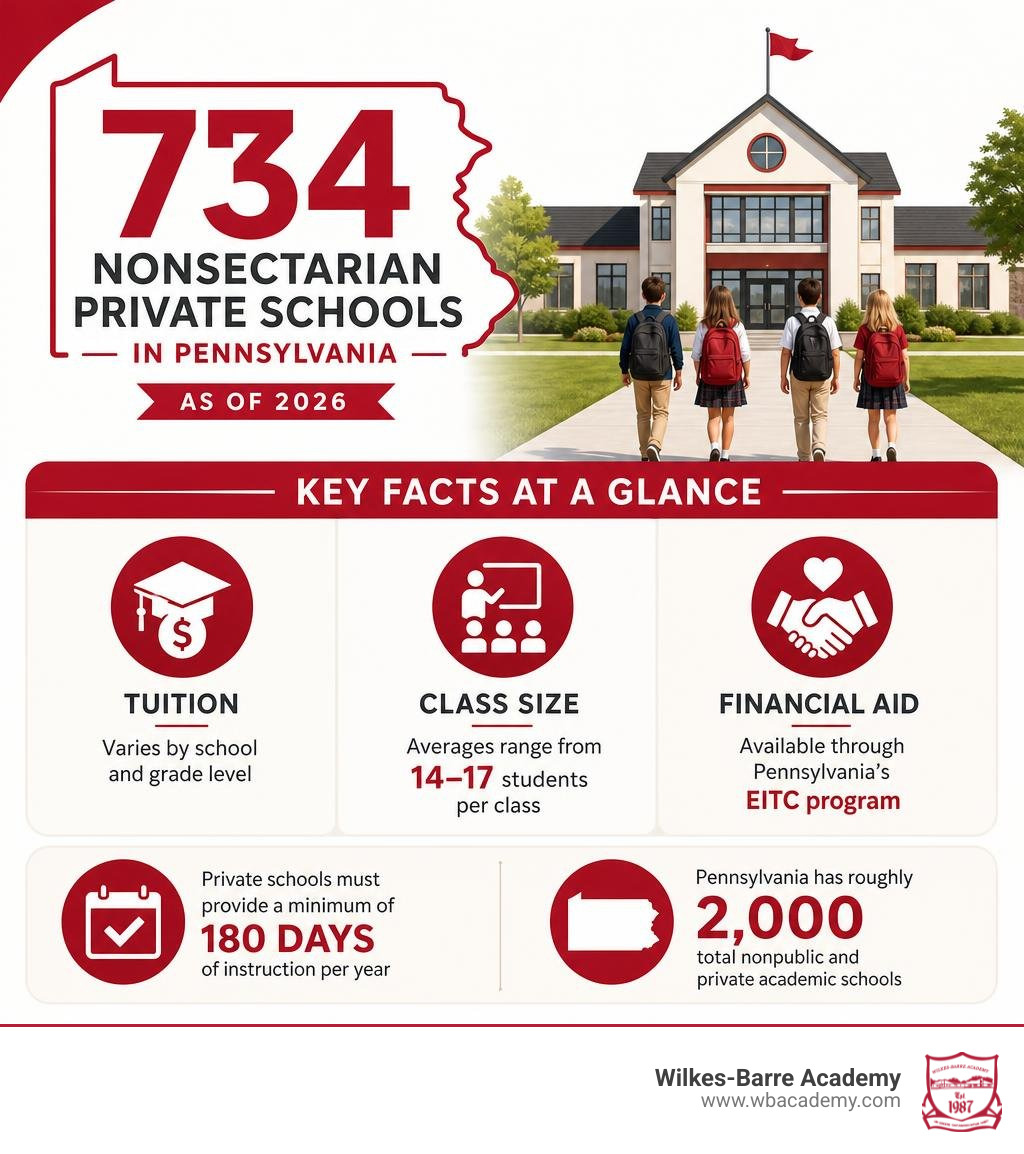
- There are 734 nonsectarian private schools in Pennsylvania as of 2026
- Private schools must provide a minimum of 180 days of instruction per year
- Financial aid is available through Pennsylvania’s EITC program
- Pennsylvania has roughly 2,000 total nonpublic and private academic schools
Pennsylvania is home to some of the oldest and most respected independent schools in the country. Many of them have no religious affiliation at all — meaning your child gets rigorous academics and a close-knit community without any faith-based curriculum attached.
For parents who want individualized attention, strong college prep, and a diverse school community, nonsectarian private schools can be a genuinely compelling option. And with 734 of them across the state, there’s more choice than most families realize.
This list breaks down the best secular options — and what actually sets them apart.
Essential secular private school pennsylvania terms:
- advanced academics elementary school pa
- best private school wilkes-barre
- private school northeastern pennsylvania
What Defines a Secular Private School Pennsylvania Families Choose?
When families set out to find the perfect educational home for their children, they often encounter the term “nonsectarian.” Simply put, a secular or nonsectarian private school is an independent school that operates without any religious affiliation, dogma, or faith-based instruction. Unlike parochial or religious academies, secular schools focus their mission entirely on academic excellence, character development, and civic engagement.
This lack of religious alignment grants these institutions incredible curriculum freedom. Free from the constraints of both standardized state testing mandates (which public schools must follow) and denominational guidelines, secular private schools can design highly flexible, innovative programs. They can pivot quickly to integrate cutting-edge fields like artificial intelligence, specialized design thinking, or advanced global studies.
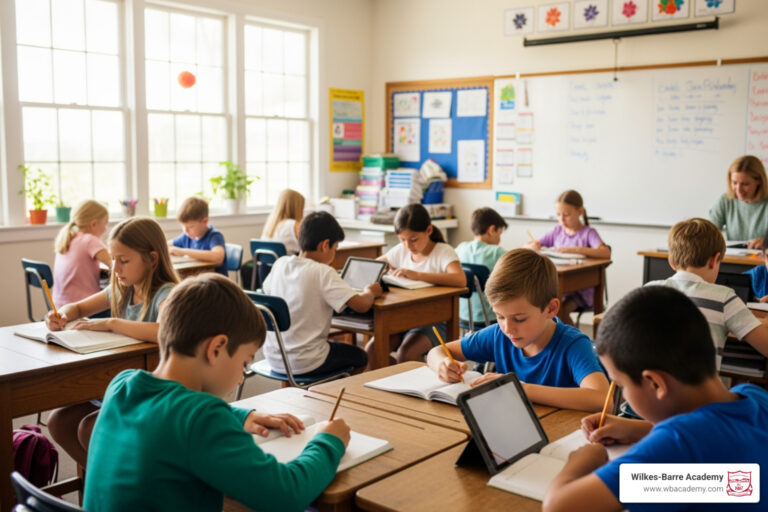
Furthermore, these schools are known for maintaining small class sizes. While a public school classroom in Pennsylvania might stretch to 25 or 30 students, secular private schools typically boast average class sizes of 12 to 17 students. This low student-to-teacher ratio allows educators to understand each child’s unique learning style, providing personalized pacing and deep mentorship.
When it comes to college outcomes, the data speaks for itself. Students graduating from independent nonsectarian schools in Pennsylvania routinely gain admission to top-tier universities, with graduates matriculating to hundreds of different prestigious colleges and universities across the globe.
To help visualize how these educational paths differ, consider this comparison of the school types available in the Commonwealth:
| Feature | Secular Private Schools | Religiously Affiliated Private Schools | Pennsylvania Public Schools |
|---|---|---|---|
| Religious Instruction | None; completely secular | Integrated theology and faith services | None (legally mandated separation) |
| Curriculum Control | Highly flexible; independent design | Flexible; aligned with faith values | Strictly mandated by state standards |
| Average Class Size | 10 to 17 students | 12 to 20 students | 20 to 30 students |
| Teacher Certification | Determined by school or PAIS | Determined by school/diocese | Strict state certification required |
| Primary Funding | Tuition, endowments, EITC | Tuition, parish subsidies, EITC | Local property taxes, state funding |
For parents seeking an environment where academic achievement is the central focus, choosing a nonsectarian path provides a clear, distraction-free route. You can explore how these high standards translate into long-term academic growth in our guide on Certified Success for Pennsylvania Private School Students.
Top-Ranked Nonsectarian Options Across the Commonwealth
Geographically, Pennsylvania’s secular private schools are distributed across diverse regions. Historically, many of the oldest and most heavily endowed independent schools sprouted in the Philadelphia suburbs and the Greater Philadelphia area. However, families living in Northeastern Pennsylvania (NEPA) and Luzerne County also have access to outstanding nonsectarian education that rivals the academic rigor of these historic institutions.
No matter where you live in the Commonwealth, the core benefit remains the same: independent schools provide a level of safety, community, and academic tailoring that public systems struggle to replicate. To understand why so many families are making this transition early in their child’s educational journey, read our detailed analysis of Why a Private K-8 School in Pennsylvania Makes the Grade.
Elite Secular Private School Pennsylvania Institutions
What exactly defines an “elite” secular school in Pennsylvania? Beyond historic campuses and modern science labs, elite standards are defined by academic rigor, a college-preparatory focus, and robust extracurricular offerings.
Top-ranked nonsectarian schools in the state share several key characteristics:
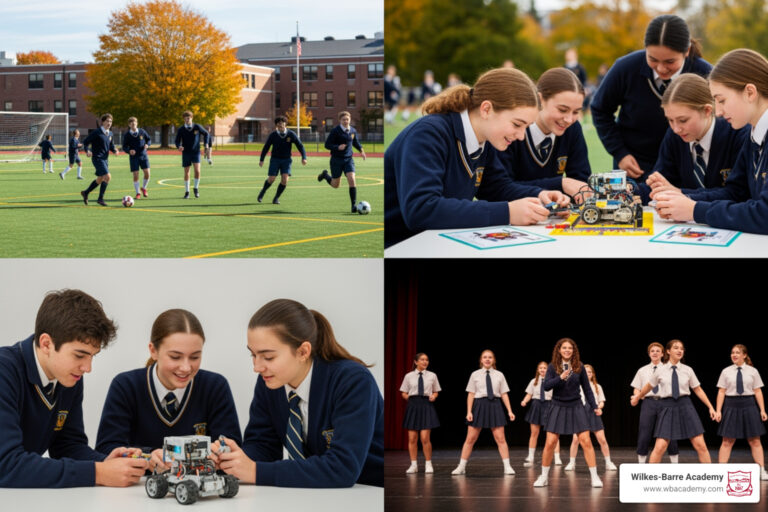
- Experiential and Applied Learning: Premier nonsectarian schools offer specialized programs in fields like Artificial Intelligence, Entrepreneurship, Medicine, and Design, allowing students to earn specialized distinctions.
- Innovative Curriculums: Many premier independent schools are moving away from traditional Advanced Placement (AP) courses in favor of custom, university-level “Advanced Studies” programs that allow for deeper content exploration. This trend is highlighted in this Independent School Profile, showcasing how customized courses prepare students for higher education.
- Global Diversity: Elite boarding and day options attract students from dozens of countries, preparing local students to live and work in a globalized society.
- Strong Alumni Networks: Graduates benefit from lifelong professional mentoring, internships, and career opportunities.
For a comprehensive look at how local institutions stack up, you can browse the rankings on Private Schools in Wilkes-Barre, PA – Niche.
Finding a Secular Private School Pennsylvania Families Trust
While the historic boarding schools of southeastern PA often grab the headlines, families in Luzerne County and Northeastern Pennsylvania do not need to look far to find exceptional, secular education. Right here in NEPA, families have access to top-tier independent schools that prioritize community, safety, and academic acceleration.
If you are looking for local options that fit your family’s lifestyle, we have compiled resources to streamline your search. Start by exploring The Complete List of Private Schools in Northeastern Pennsylvania to see the full scope of available programs. Additionally, you can consult the Best Private Schools in Wilkes Barre, PA (2026) to compare enrollment sizes, student-teacher ratios, and community reviews for schools in our immediate area.
Tuition, Financial Aid, and the Cost of Independent Education

Investing in a private education is a significant financial commitment for any family. Tuition rates for a secular private school in Pennsylvania can vary widely depending on the grade level, location, and facilities. Annual tuition can range from $8,000 to over $35,000 for day schools, while elite boarding schools can exceed $60,000 per year.
Fortunately, you do not have to navigate these costs alone. Independent schools are deeply committed to socioeconomic diversity, and many allocate millions of dollars annually to need-based financial aid.
One of the most powerful tools for Pennsylvania families is the Educational Improvement Tax Credit (EITC) program. The EITC program allows businesses and qualified individuals to direct their state tax liabilities to registered scholarship organizations, which then provide private school tuition grants to eligible families. This program has opened the doors of independent education to thousands of middle- and lower-income students who otherwise might not have had the opportunity to attend.
When looking at the numbers, it is important to balance the upfront cost against the long-term value: smaller class sizes, individualized attention, and robust preparation for high school and college. For a realistic breakdown of what to expect financially, check out our guide, How Much is Private School in PA: Tuition Stats and Affordable Options.
Frequently Asked Questions about Secular PA Private Schools
How are secular private schools in PA regulated?
In Pennsylvania, nonpublic and private academic schools provide diverse alternatives to the public system. The state classifies these institutions into different categories, primarily distinguishing between Licensed Private Academic Schools (LPAS) and nonpublic nonlicensed schools.
Licensed private academic schools are overseen by the State Board of Private Academic Schools and must meet specific regulations regarding teacher certification, health and safety, and courses of study.
All private schools in Pennsylvania are legally required to be in session for a minimum of 180 days of instruction, or meet specific hourly requirements:
- Kindergarten: 450 instructional hours
- Elementary: 900 instructional hours
- Secondary: 990 instructional hours
While the state ensures basic safety and educational minimums are met, many secular private schools choose to undergo rigorous, voluntary accreditation through independent bodies like the Pennsylvania Association of Independent Schools (PAIS). For official guidelines and regulatory details, you can visit the Pennsylvania Department of Education Private Academic Schools portal.
How do nonsectarian schools support diverse learning styles?
Because secular private schools are not bound by rigid, one-size-fits-all public school curriculums, they excel at supporting diverse learning styles. Without the pressure of teaching to state-mandated standardized tests, teachers have the breathing room to implement progressive education philosophies, such as “learning by doing.”
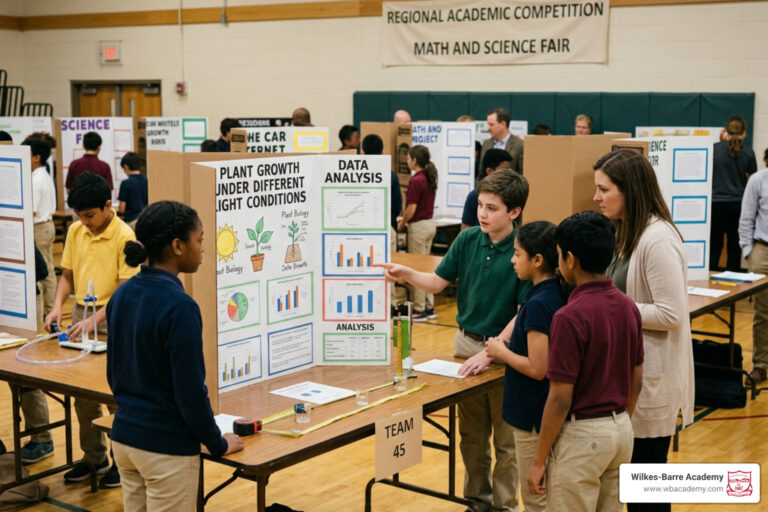
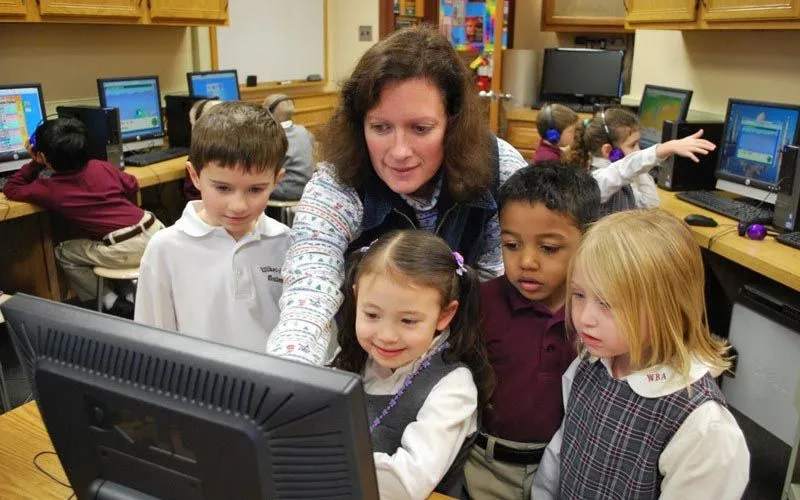
For students who need extra support or those who learn at an accelerated pace, secular schools often utilize an individualized learning approach. In a smaller classroom, a teacher can easily modify an assignment to match a student’s unique strengths. Progressive schools also place a heavy emphasis on emotional intelligence, collaboration, and hands-on projects—such as building scale models, conducting field research, or running student-led businesses—ensuring that tactile and visual learners thrive alongside analytical learners.
What modern trends are shaping secular private education?
As we move through 2026, several major trends are transforming the landscape of secular private education in Pennsylvania:
- Deep Technology Integration: Rather than simply using tablets as digital worksheets, schools are integrating artificial intelligence, virtual reality, and advanced coding directly into the core curriculum.
- Hybrid and Flexible Learning: Many independent schools now offer hybrid schedules, online elective courses, and virtual gap-year programs to accommodate students pursuing pre-professional athletics, arts, or travel.
- Focus on Wellness and Mental Health: Recognizing the pressures of the modern world, schools are weaving mindfulness, outdoor education, and dedicated counseling services into the daily schedule, ensuring that academic success does not come at the expense of mental well-being.
Conclusion
Choosing the right school is one of the most consequential decisions you will make for your child. While the state boasts many historic, multi-campus institutions, you do not have to send your child far away to receive an extraordinary, nonsectarian education.
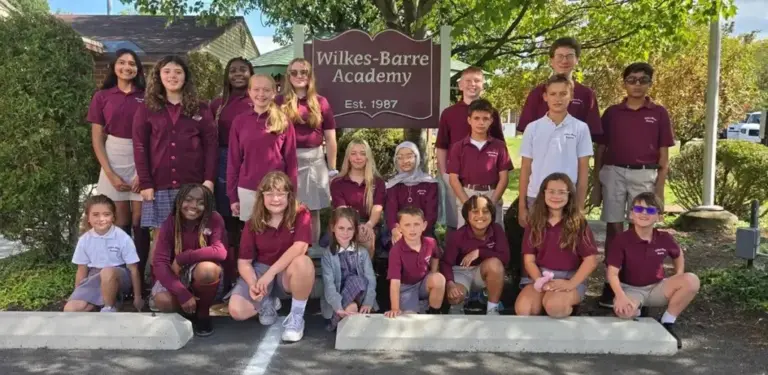
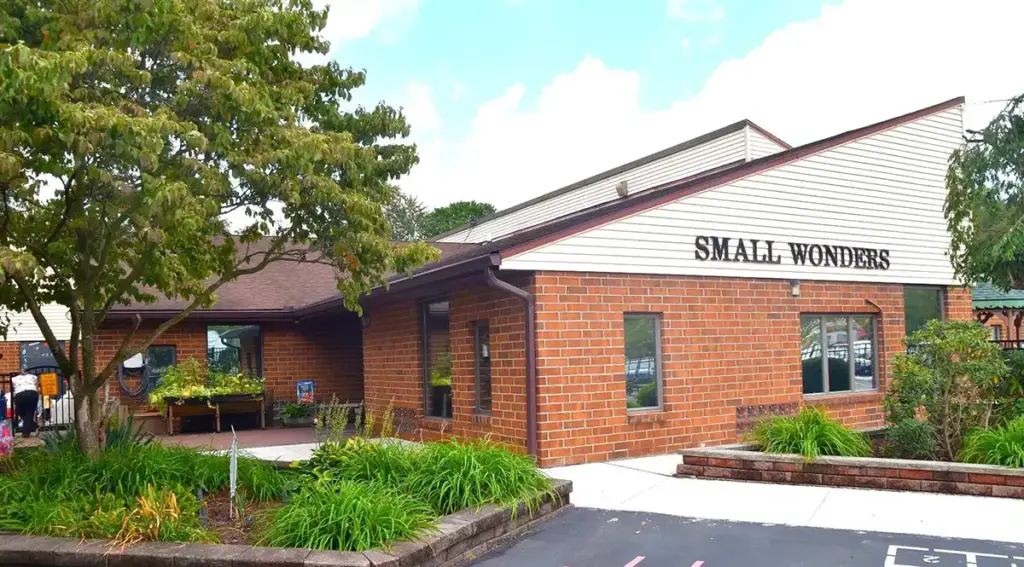
At Wilkes-Barre Academy, we are proud to offer a premier, single-location K-8 private school experience right here in Luzerne County. Our mission is built around an academically advanced, secular curriculum designed to challenge students while fostering a genuine love of learning.
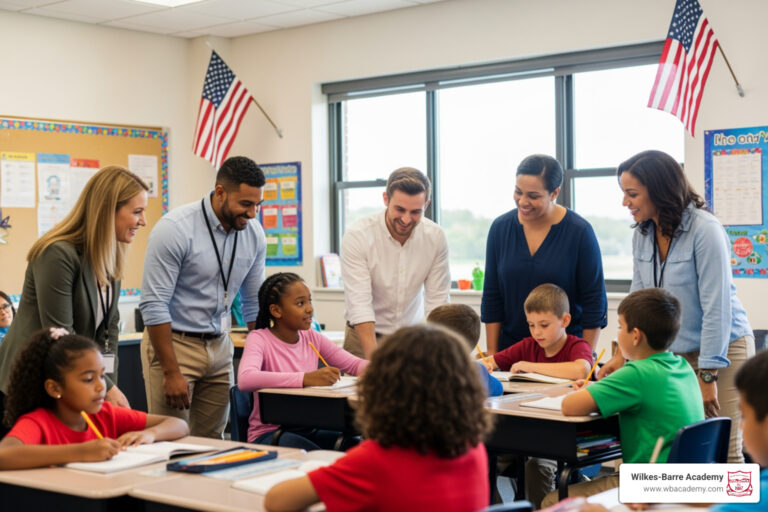
What makes us truly unique is our commitment to a single classroom per grade. This structure allows us to maintain incredibly strong family-school connections and build a close-knit, diverse community where no student is ever lost in the crowd. Here, your child will receive the individualized learning they deserve in a warm, supportive environment.
If you are ready to explore how a secular, advanced education can benefit your child, read our Wilkes-Barre Private School Guide: Finding the Perfect Fit or visit our homepage at Wilkes-Barre Academy to schedule a tour. We would love to welcome your family into our community!